
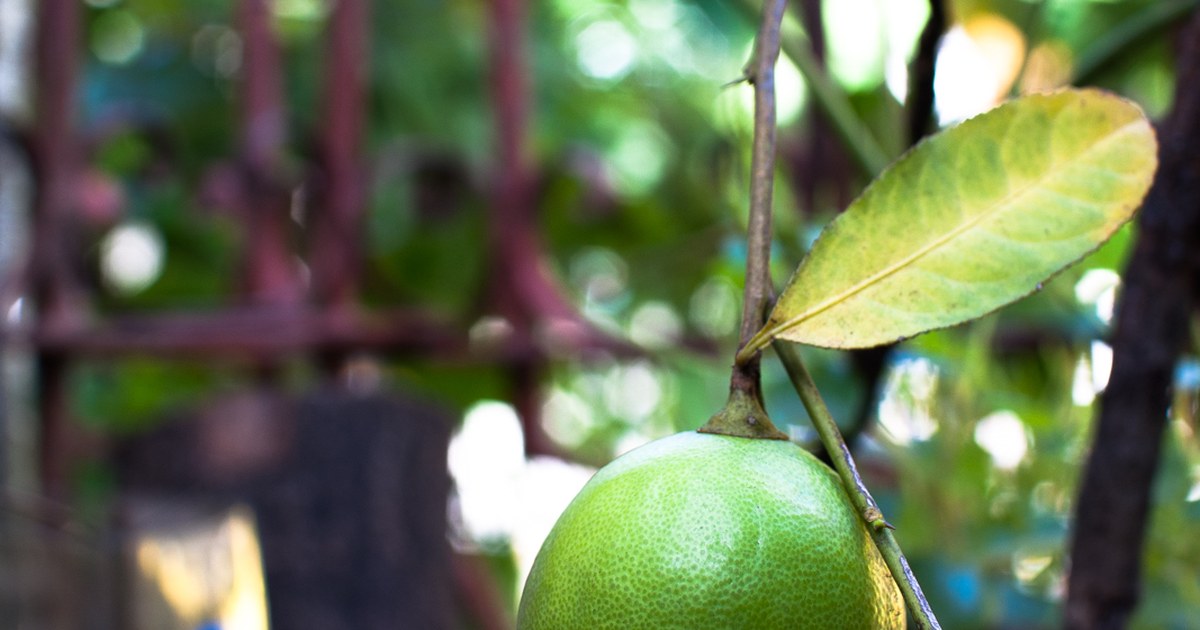
A lemon tree in a pot can produce fruit for years. Dwarf varieties on suitable rootstock are the key to success in a container.
Choosing a variety
Dwarf varieties such as ‘Meyer’ and ‘Ponderosa’ are the best choices for containers. ‘Meyer’ is the most popular and is a cross between a lemon and a mandarin, with sweeter, thinner-skinned fruit. It fruits year-round in warm conditions. Standard varieties grow too large for most pots.
Buy a tree grafted onto a dwarfing rootstock. Seed-grown trees take years to fruit and may not produce good fruit. A grafted tree can fruit within one to two years.
Pot size and soil
Start with a pot 12 to 16 inches wide and deep. Move up to 18 to 24 inches as the tree grows. A mature tree needs a 15 to 20 gallon container. Terracotta and plastic both work; terracotta dries faster but breathes.
Use a free-draining potting mix designed for citrus or acid-loving plants. The pH should be between 5.5 and 6.5. Add perlite to improve drainage. Avoid heavy garden soil, which compacts and holds too much water.
Light and temperature
Lemons need at least 6 to 8 hours of direct sun. A south-facing patio or window is ideal. In winter, move the tree to a bright, cool room. It tolerates temperatures down to about 40°F (4°C) but not frost.
In cold regions, treat the tree as a houseplant in winter. A grow light helps if natural light is limited. Keep it away from radiators and draughts.
Watering and feeding
Water when the top inch of soil feels dry. Water deeply until it drains, then empty the saucer. Lemons are sensitive to both drought and waterlogging. Yellow leaves can mean either.
Feed with a citrus fertilizer every two to four weeks during the growing season. Citrus are heavy feeders and need nitrogen, iron, and magnesium. A deficiency shows as yellow leaves with green veins. Do not feed in winter.
Pruning
Prune lightly in late winter or early spring to shape the tree and remove dead or crossing branches. Remove suckers from below the graft. Do not remove more than a third of the canopy at once.
Remove fruit that is too heavy for the branches to support, leaving 2 to 3 inches between fruit. This improves fruit size and prevents branch breakage.
Pollination
Lemons are self-fertile, but fruit set improves with pollination. Outdoors, bees handle it. Indoors, hand-pollinate by dabbing a small brush from flower to flower. Gently shake the tree to distribute pollen.
Winter care
Move the tree indoors before the first frost. Place it in the brightest spot available. Reduce watering and stop feeding. Mist the leaves occasionally to raise humidity. Watch for scale, mealybugs, and spider mites, which thrive in dry indoor air.
Harvesting
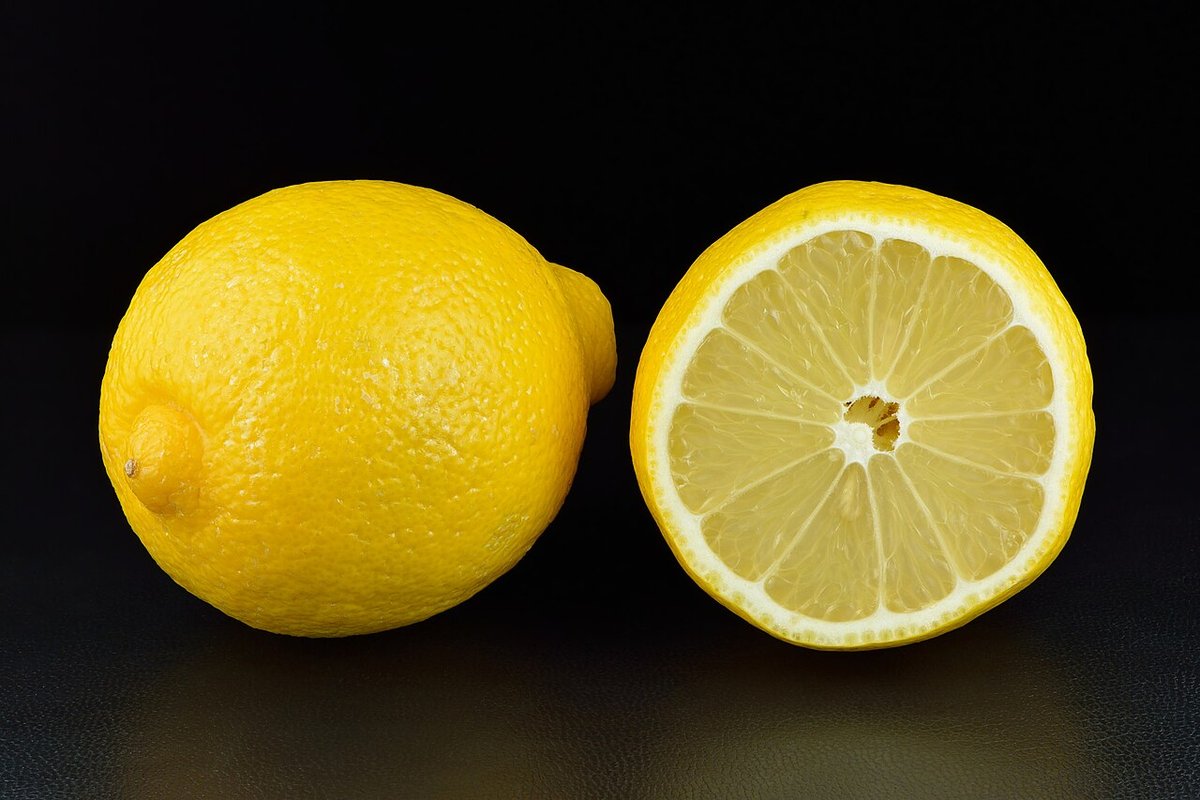
Fruit ripens 6 to 9 months after flowering. Pick when the fruit is fully yellow and slightly soft. Use scissors or secateurs to cut the stem, leaving a short piece attached. Do not pull, which can damage the branch.
Field notes and finer details
Choosing a variety
Dwarf varieties such as ‘Meyer’ are the best choices for containers. Buy a grafted tree on a dwarfing rootstock. It can fruit within one to two years.
Light and temperature
Lemons need 6 to 8 hours of direct sun. They tolerate temperatures down to about 40°F (4°C) but not frost. Move indoors before the first frost.
Watering and feeding
Water when the top inch of soil feels dry. Feed with a citrus fertilizer every two to four weeks during the growing season. Do not feed in winter.
Pollination
Lemons are self-fertile, but fruit set improves with pollination. Outdoors, bees handle it. Indoors, hand-pollinate by dabbing a small brush from flower to flower. Gently shake the tree to distribute pollen.
Winter care
Move the tree indoors before the first frost. Place it in the brightest spot available. Reduce watering and stop feeding. Mist the leaves occasionally to raise humidity. Watch for scale, mealybugs, and spider mites.
Harvesting
Fruit ripens 6 to 9 months after flowering. Pick when the fruit is fully yellow and slightly soft. Use scissors to cut the stem, leaving a short piece attached. Do not pull, which can damage the branch.
Watering and feeding
Water when the top inch of soil feels dry. Water deeply until it drains, then empty the saucer. Lemons are sensitive to both drought and waterlogging. Yellow leaves can mean either.
Feed with a citrus fertilizer every two to four weeks during the growing season. Citrus are heavy feeders and need nitrogen, iron, and magnesium. Do not feed in winter.
Pruning
Prune lightly in late winter or early spring to shape the tree and remove dead or crossing branches. Remove suckers from below the graft. Do not remove more than a third of the canopy at once.
Pests and problems
Scale, mealybugs, and spider mites thrive in dry indoor air. Rinse the leaves with water and treat with insecticidal soap. Root rot is caused by overwatering and poor drainage.
Yellow leaves can mean overwatering, underwatering, or a nutrient deficiency. Check the soil moisture and feeding schedule before treating.
Light and temperature
Lemons need at least 6 to 8 hours of direct sun. A south-facing patio or window is ideal. In winter, move the tree to a bright, cool room. It tolerates temperatures down to about 40°F (4°C) but not frost.
In cold regions, treat the tree as a houseplant in winter. A grow light helps if natural light is limited. Keep it away from radiators and draughts.
Common questions
Which lemon variety is best for a pot?
'Meyer' is the most popular and fruits year-round in warm conditions.
Can a lemon tree survive winter outdoors?
No, it must be moved indoors before frost.
How long until a potted lemon fruits?
A grafted tree can fruit within one to two years.