
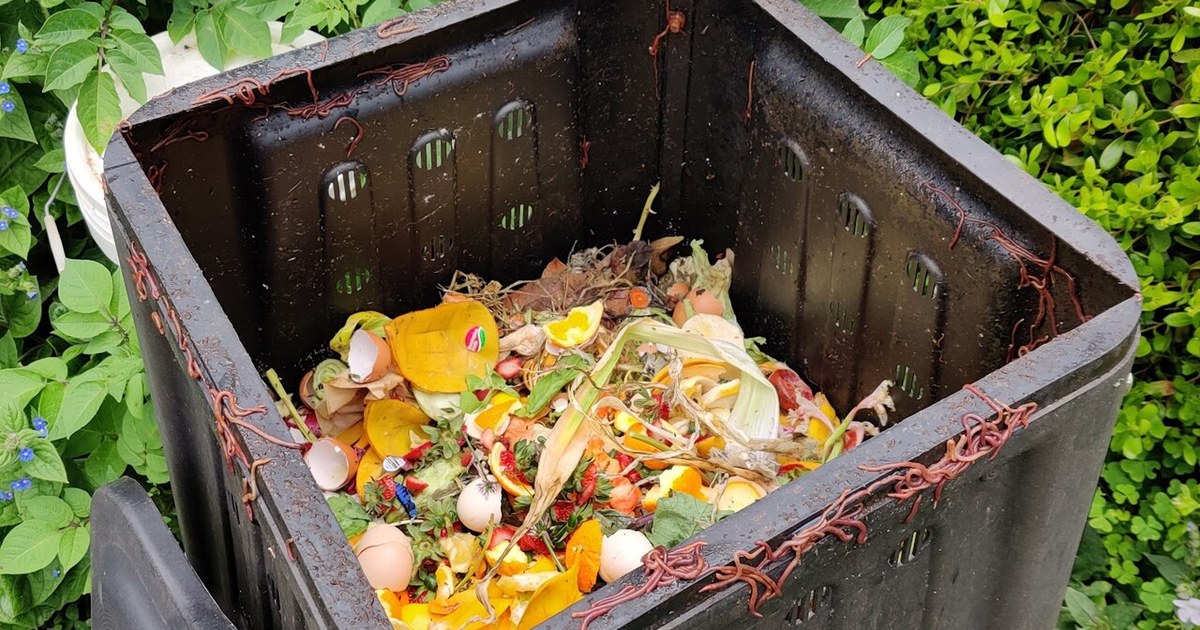
Compost tea is a liquid fertilizer made by steeping compost in water. It is a useful supplement, though not a replacement for good soil management.
What compost tea is
Compost tea is water in which compost has been steeped, extracting soluble nutrients and microorganisms. It is used as a soil drench or foliar spray. The idea is to deliver nutrients and beneficial microbes to plants in a form they can use quickly.
There are two main types: non-aerated (passive) and aerated (actively bubbled with air). Non-aerated tea is simpler but can harbour anaerobic bacteria. Aerated tea is more complex but produces a more diverse microbial population.
Non-aerated compost tea
Fill a bucket one-third with finished compost and two-thirds with water. Stir well and let it sit for 3 to 7 days, stirring daily. Strain through a cloth or sieve. Dilute the liquid 1:4 with water before use.
This method is simple and requires no equipment. The tea will smell earthy. If it smells foul, it has gone anaerobic and should be discarded.
Aerated compost tea
Use a 5-gallon bucket, an aquarium air pump, and an air stone. Fill the bucket with water and add 1 to 2 cups of finished compost in a mesh bag. Add a tablespoon of molasses or unsulphured sugar as food for microbes. Bubble air through the mixture for 24 to 36 hours.
The tea is ready when it smells sweet and earthy. Strain and use within a few hours, before the microbes die. Dilute 1:4 to 1:10 depending on strength.
Ingredients and water
Use finished, mature compost. Immature compost can contain pathogens. The compost should smell like earth and have no recognisable scraps. Add molasses or kelp for nutrients and microbial food.
Use dechlorinated water. Chlorine kills microbes. Let tap water sit for 24 hours, or use rainwater. Water temperature should be between 60 and 75°F (15-24°C).
Application
Use compost tea as a soil drench to water plants, or as a foliar spray. Apply in the early morning or evening, when leaves are dry and the sun is not intense. Spray the undersides of leaves as well as the tops.
Apply every 2 to 4 weeks during the growing season. Do not use it on edible leaves within a week of harvest, as a precaution.
Limitations and safety
Compost tea is a supplement, not a replacement for good soil. It cannot fix poor soil or correct nutrient deficiencies. Its microbial benefits are debated, and results vary.
Use clean equipment and wash hands after handling. Do not drink compost tea. If you are immunocompromised, avoid handling it. Aerated tea is safer than non-aerated, but both should be treated as non-potable.
Storage
Compost tea does not store well. Use it within a few hours of brewing. If you must store it, keep it aerated and use within 24 hours. Do not seal it in a container, as the microbes consume oxygen and the tea goes anaerobic.
Field notes and finer details
Non-aerated compost tea
Fill a bucket one-third with compost and two-thirds with water. Steep for 3 to 7 days, stirring daily. Strain and dilute 1:4 before use.
Aerated compost tea
Use a bucket, air pump, and air stone. Add compost in a mesh bag and a tablespoon of molasses. Bubble air for 24 to 36 hours. Use within a few hours.
Limitations
Compost tea is a supplement, not a replacement for good soil. Its microbial benefits are debated. Use clean equipment and do not drink it.
Ingredients and water
Use finished, mature compost. Add molasses or kelp for nutrients and microbial food. Use dechlorinated water. Let tap water sit for 24 hours, or use rainwater. Water temperature should be between 60 and 75°F.
Application
Use as a soil drench or foliar spray. Apply in the early morning or evening. Spray the undersides of leaves as well as the tops. Apply every 2 to 4 weeks during the growing season.
Limitations and safety
Compost tea is a supplement, not a replacement for good soil. Its microbial benefits are debated. Use clean equipment and wash hands after handling. Do not drink compost tea.
Application
Use compost tea as a soil drench or foliar spray. Apply in the early morning or evening. Spray the undersides of leaves as well as the tops. Apply every 2 to 4 weeks during the growing season.
Limitations and safety
Compost tea is a supplement, not a replacement for good soil. Its microbial benefits are debated. Use clean equipment and wash hands after handling. Do not drink compost tea.
Storage
Compost tea does not store well. Use it within a few hours of brewing. If you must store it, keep it aerated and use within 24 hours. Do not seal it in a container.
Apply every 2 to 4 weeks during the growing season. Do not use on edible leaves within a week of harvest.
What compost tea is
Compost tea is water in which compost has been steeped, extracting soluble nutrients and microorganisms. It is used as a soil drench or foliar spray. The idea is to deliver nutrients and beneficial microbes to plants quickly.
There are two main types: non-aerated and aerated. Non-aerated tea is simpler but can harbour anaerobic bacteria. Aerated tea produces a more diverse microbial population.
Application
Use compost tea as a soil drench or foliar spray. Apply in the early morning or evening. Spray the undersides of leaves as well as the tops. Apply every 2 to 4 weeks during the growing season.
Compost tea is a supplement, not a replacement for good soil. Its microbial benefits are debated. Use clean equipment and wash hands after handling.
Common questions
Is compost tea better than compost?
No, it is a supplement. Compost is more reliable.
Can I store compost tea?
Use within a few hours. Do not seal in a container.
Is compost tea safe?
Use clean equipment and wash hands. Do not drink it.