
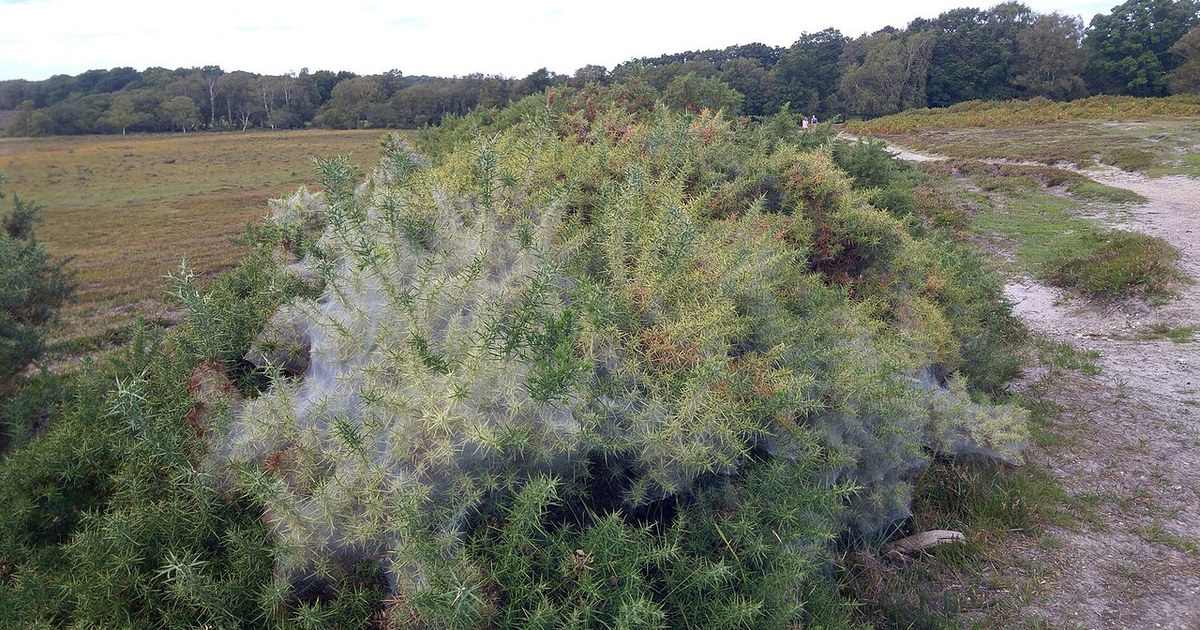
Spider mites are tiny pests that suck sap from plant leaves. They thrive in hot, dry conditions and can kill a plant if left unchecked.
Identifying spider mites
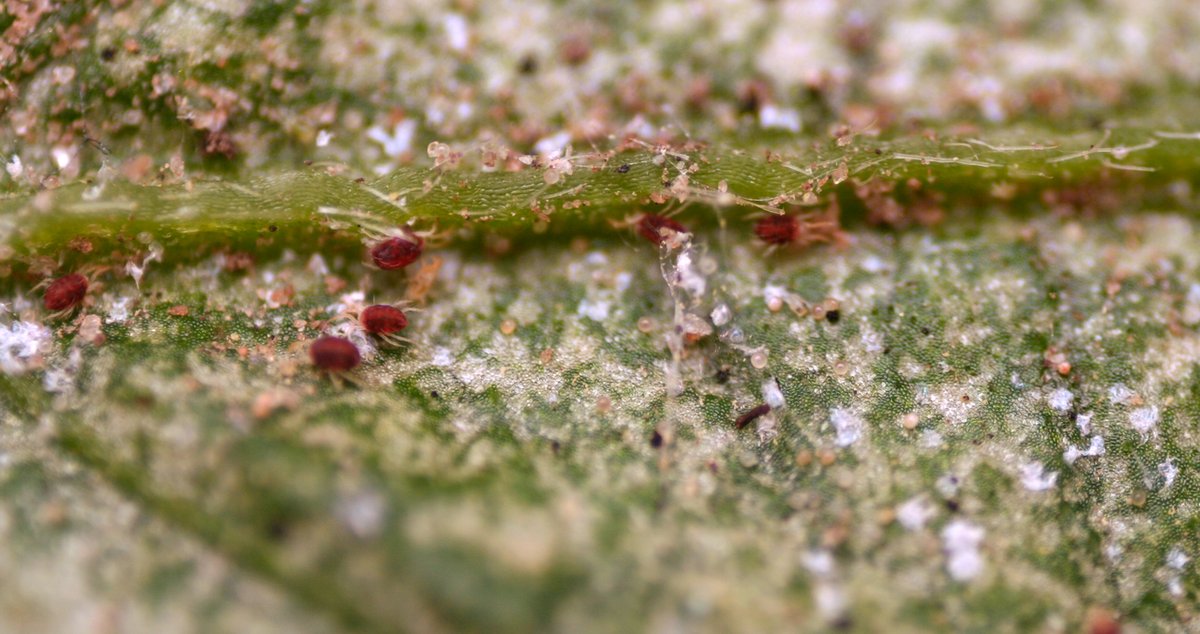
Spider mites are barely visible to the naked eye. The first sign is usually fine stippling or yellow dots on the upper surface of leaves. A magnifying glass reveals tiny moving dots on the undersides. In severe cases, fine webbing appears between leaves and stems.
They feed on sap and cause leaves to turn yellow, bronze, or brown and drop. They attack houseplants, vegetables, and ornamentals. Hot, dry conditions favour them.
Why they are difficult
Spider mites reproduce rapidly in warm weather. A female can lay hundreds of eggs in her lifetime. They are resistant to many insecticides, and chemical sprays often kill the natural predators that keep them in check.
Natural control relies on increasing humidity, washing the plant, and using predatory mites or insecticidal soap.
Increasing humidity
Spider mites hate humidity. Mist the leaves regularly, or place the plant on a tray of pebbles with water. Group plants together to raise the humidity around them. A humidifier helps in a dry room.
In a greenhouse, damp down the floor and benches to raise humidity. Good ventilation is also important, since still, humid air encourages fungal disease.
Washing the plant
A strong jet of water can dislodge mites from leaves. Spray the undersides thoroughly, then wipe the leaves with a damp cloth. Repeat every 3 to 4 days for two weeks. This is labour-intensive but effective for small infestations.
For houseplants, take the plant to the shower and rinse the leaves with lukewarm water. Let the soil drain before returning the plant to its spot.
Insecticidal soap and neem
Insecticidal soap kills mites on contact. It must cover the undersides of leaves where the mites live. Repeat every 5 to 7 days, since soap does not affect eggs. Neem oil also works and has some residual effect.
Test a few leaves first, since some plants are sensitive. Spray in the evening to avoid leaf burn. Do not use soap or neem on plants in direct sun.
Biological controls
Predatory mites such as Phytoseiulus persimilis feed on spider mites. They are used in greenhouses and on houseplants. They work best in warm, humid conditions. Release them according to the supplier’s instructions.
Ladybirds and lacewings also eat spider mites. Encourage them by planting flowers and avoiding broad-spectrum insecticides.
Prevention
Inspect new plants before bringing them home. Quarantine them for a week. Keep plants well watered and healthy, since stressed plants are more susceptible. Avoid dusty conditions, which favour mites.
In the garden, mulch around plants to retain soil moisture and reduce dust. Water regularly during dry spells.
Field notes and finer details
Identifying spider mites
Spider mites are barely visible. The first sign is fine stippling on leaves. A magnifying glass reveals tiny moving dots on the undersides. Webbing appears in severe cases.
Controls
Increase humidity, wash the plant, and use insecticidal soap or neem. Predatory mites are effective biological controls.
Prevention
Inspect new plants before bringing them home. Keep plants well watered and healthy. Avoid dusty conditions.
Increasing humidity
Spider mites hate humidity. Mist the leaves regularly, or place the plant on a tray of pebbles with water. Group plants together to raise humidity. A humidifier helps in a dry room.
In a greenhouse, damp down the floor and benches to raise humidity. Good ventilation is also important, since still, humid air encourages fungal disease.
Washing the plant
A strong jet of water can dislodge mites from leaves. Spray the undersides thoroughly, then wipe the leaves with a damp cloth. Repeat every 3 to 4 days for two weeks. For houseplants, take the plant to the shower and rinse the leaves.
Increasing humidity
Spider mites hate humidity. Mist the leaves regularly, or place the plant on a tray of pebbles with water. Group plants together to raise humidity. A humidifier helps in a dry room.
In a greenhouse, damp down the floor and benches to raise humidity. Good ventilation is also important, since still, humid air encourages fungal disease.
Washing the plant
A strong jet of water can dislodge mites from leaves. Spray the undersides thoroughly, then wipe the leaves with a damp cloth. Repeat every 3 to 4 days for two weeks. For houseplants, take the plant to the shower and rinse the leaves.
Increasing humidity
Spider mites hate humidity. Mist the leaves regularly, or place the plant on a tray of pebbles with water. Group plants together to raise humidity. A humidifier helps in a dry room.
In a greenhouse, damp down the floor and benches to raise humidity. Good ventilation is also important, since still, humid air encourages fungal disease.
Washing the plant
A strong jet of water can dislodge mites from leaves. Spray the undersides thoroughly, then wipe the leaves with a damp cloth. Repeat every 3 to 4 days for two weeks. For houseplants, take the plant to the shower and rinse the leaves.
Prevention
Inspect new plants before bringing them home. Quarantine them for a week. Keep plants well watered and healthy, since stressed plants are more susceptible. Avoid dusty conditions, which favour mites. In the garden, mulch around plants to retain soil moisture and reduce dust.
Common questions
Are spider mites harmful?
Yes, they suck sap and can kill a plant if unchecked.
What kills spider mites naturally?
Predatory mites, insecticidal soap, and neem.
Do spider mites prefer dry conditions?
Yes, hot and dry conditions favour them.