
How to Care for Monstera Plant: A Simple Guide
Monstera plants are popular for their large, split leaves. They add greenery to any room. Many people find them easy to keep alive. But some beginners make mistakes. This guide shows you how to care for a monstera plant. You will learn what supplies you need. You will see step-by-step instructions. You will also get tips for best results. We will cover common mistakes too. This article helps you keep your plant healthy. It focuses on light, water, and soil. You do not need to be an expert. Just follow these simple steps. Your monstera will thrive with basic care. Let’s get started.
What you’ll need (Materials/supplies.)
You need a few basic items. First, you need a pot with drainage holes. This is very important. Water must flow out of the bottom. If it stays in, roots rot. Buy a ceramic or plastic pot. Make sure it has holes. Second, you need potting soil. Use a well-draining mix. A cactus or orchid mix works well. You can add perlite to regular soil. This helps water move through. Third, you need a watering can. Use a long spout. It helps you reach the soil. Avoid splashing the leaves. Fourth, you need scissors or shears. You may need to prune dead leaves. Keep them clean and sharp. Fifth, you need a spray bottle. This is optional. It adds humidity to the air. Monstera plants like moist air. Finally, you need liquid fertilizer. Use a balanced houseplant food. This feeds the plant in summer. Do not use too much. Start with a weak mix.
Step-by-step
Photo: How To Make A Cyanotype Pt. 1 – ‘THE STUFF’ by -0- (CC BY 2.0), via Openverse.
Follow these steps to care for your plant.
- Choose the right spot. Place your monstera in bright, indirect light. Avoid direct sun. It can burn the leaves. A north or east-facing window is good. The leaves should be bright green. If they turn yellow, light is too strong. If they are pale, light is too weak.
- Water the plant. Check the soil before watering. Stick your finger one inch deep. If it feels dry, water the plant. If it feels damp, wait. Water until it flows from the bottom. Empty the saucer after 15 minutes. Standing water causes root rot.
- Check the humidity. Monstera plants come from jungles. They love humidity. Keep humidity between 40% and 60%. Group plants together to raise moisture. Use a pebble tray with water. Or use a humidifier nearby. This helps the leaves stay healthy.
- Fertilize in spring and summer. Plants grow more in warm months. Feed your monstera once a month. Use a balanced houseplant fertilizer. Dilute it to half strength. Do not fertilize in winter. The plant grows slowly then. Too much food can burn the roots.
- Repot when needed. Check the roots every year. If roots circle the pot, repot. Choose a pot one size larger. Use fresh, well-draining soil. Gently loosen the root ball. Place it in the new pot. Fill around it with soil. Water lightly after repotting.
- Clean the leaves. Dust blocks light from entering leaves. Wipe leaves with a damp cloth. Do this once a month. This helps the plant photosynthesize. It also looks better. Clean leaves absorb light better.
Tips for best results
Here are extra tips for success. First, rotate the plant. Turn the pot a quarter turn weekly. This keeps the shape even. If you do not rotate, it leans. Second, support the plant. Monsteras are climbers. They need a moss pole. This gives them something to hold. Use a bamboo stake or moss pole. Tie the stems loosely. This helps the plant grow tall. Third, watch for pests. Look under the leaves. Check for white spots or webs. Mealybugs and spider mites are common. Wipe them off with soapy water. Act fast to stop the spread. Fourth, keep temperatures stable. Monsteras like warmth. Keep the room between 65 and 85 degrees Fahrenheit. Avoid cold drafts. Keep it away from heaters. Sudden changes stress the plant. Fifth, be patient. Growth takes time. New leaves take weeks to unfurl. Do not pull them. They are delicate. Let them open on their own.
Common mistakes

Photo: how to use the japanese-style toilet by Yuya Tamai (CC BY 2.0), via Openverse.
Avoid these errors to keep your plant healthy. The biggest mistake is overwatering. Many people water on a schedule. Do not do this. Water only when the soil is dry. Overwatering leads to root rot. The roots turn black and smell bad. Another mistake is too much sun. Direct sun burns the leaves. You will see brown, crispy edges. Move the plant to a shadier spot. Another error is using tap water with high fluoride. This causes yellowing leaves. Use filtered water if possible. Let tap water sit for 24 hours. This helps chlorine evaporate. Do not ignore yellowing leaves. It may signal a problem. Check the soil moisture first. Then check the light. Finally, do not fertilize too often. “More is better” is wrong. Too much fertilizer harms the roots. Stick to a monthly schedule in summer.
Safety precautions
Monsteras are not toxic to humans. But they are toxic to pets. The sap contains calcium oxalate crystals. These crystals cause irritation. If a pet eats a leaf, call a vet. Symptoms include drooling and vomiting. Keep the plant out of reach. Place it on a high shelf. Or hang it from the ceiling. This keeps cats and dogs away. Also, be careful with the sap. Wear gloves when repotting. The sap can irritate your skin. Wash your hands after handling the plant. If you have sensitive skin, be extra careful. Do not touch your eyes after handling. Rinse any contact with water. These steps keep you and your pets safe.
Dosage and How to Use
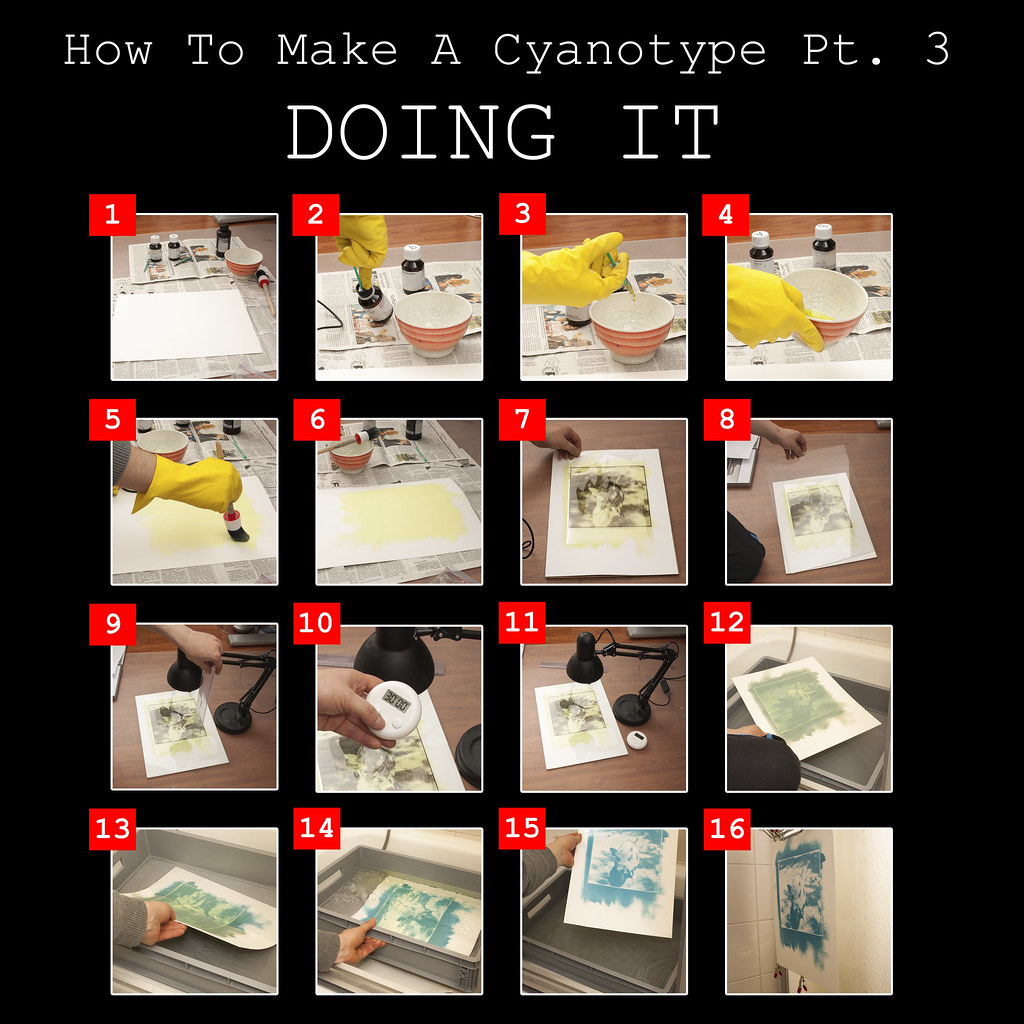
Photo: How To Make A Cyanotype Pt. 3 – DOING IT by -0- (CC BY 2.0), via Openverse.
This section applies to plant care products. It does not apply to humans. You must use fertilizer correctly. There is no “dosage” for people. Plants need nutrients, not medicine. Follow the label on your fertilizer. The label tells you how much to use. Do not guess. Too much fertilizer can harm the plant. It can burn the roots. Use a measuring spoon. Measure the exact amount. Mix it with water as directed. Apply it to the soil, not the leaves. Water the plant after fertilizing. This helps the roots absorb the nutrients. If you are unsure, ask a gardening expert. Or check online guides for your specific plant. Always prioritize plant health. Do not overfeed. Less is often more.
Safety and Side Effects
This section covers plant care safety. It does not cover human medical issues. Monsteras are generally safe for indoor spaces. However, the sap has mild irritants. Calcium oxalate crystals are the main concern. These crystals are sharp. They can irritate the mouth and throat. They can also irritate the skin. Most people have no reaction. But some people may feel a sting. If you get a rash, wash the area. Apply a cold compress if needed. If symptoms persist, see a doctor. For pets, the risk is higher. Pets may chew on leaves. This can cause swelling in the mouth. It can also cause drooling. In rare cases, it may cause trouble swallowing. If your pet eats a leaf, monitor them. Call your veterinarian if they seem sick. Do not wait for severe symptoms. Early care is best. Keep the plant away from pets. This is the best prevention. There are no long-term side effects for healthy adults. Just handle the plant with care.
FAQ
What is how to care for monstera plant?
This phrase refers to the routine tasks needed. It includes watering, lighting, and feeding. It is a set of habits. You do it to keep the plant green. It involves checking the soil. It involves placing the pot correctly. It is about consistency. You care for it by observing it. You adjust based on what you see. It is a simple daily or weekly check. It ensures the plant stays healthy.
How to use how to care for monstera plant?
You use this guide as a checklist. Read the steps once. Then start with the first step. Place the plant in the right light. Check the soil before watering. Follow the schedule for fertilizing. Use the tips to avoid mistakes. Use the safety section to protect pets. Treat it as a reference. Keep it near your plant. Check it when you are unsure. It helps you make good decisions. It saves you from guessing.
Is how to care for monstera plant safe?
Yes, the process is safe for you. The plant itself has mild irritants. The sap can sting your skin. It is toxic to pets if eaten. But the act of caring for it is safe. You just need basic hygiene. Wash your hands after handling. Keep the plant away from mouths. There are no dangerous chemicals involved. You do not need special gear. Basic gloves are enough for repotting. The care routine is low-risk. It is a safe hobby for most people.
How often should I water my monstera?
There is no fixed schedule. It depends on the season. In summer, you may water twice a week. In winter, once a month may be enough. Always check the soil first. If the top inch is dry, water it. If it is wet, wait. Do not water by the calendar. Water by the plant’s needs. This prevents root rot. It is the most important rule.
Why are my monstera leaves turning yellow?
Yellow leaves usually mean overwatering. The roots are sitting in water. They are rotting. Let the soil dry out. Stop watering for a few days. Check the drainage holes. Make sure water can leave. If the pot is heavy, it is wet. If it is light, it is dry. Yellow tips may mean low humidity. Spray the leaves to help. Brown edges may mean hard water. Use filtered water.
Conclusion
Caring for a monstera plant is easy. You just need to follow a few rules. Give it bright, indirect light. Water it when the soil is dry. Keep the humidity up. Feed it in the summer. Protect it from pets. These steps will help your plant grow. You do not need to be a pro. Just be consistent. Watch your plant closely. It will tell you what it needs. If you follow this guide, you will succeed. Your home will look greener. You will feel proud of your green thumb. Start today. Your monstera will thank you.
Affiliate Disclosure: This post may contain affiliate links. If you buy through these links, we may earn a small commission at no extra cost to you. We only recommend products we trust. High-Quality Monstera Moss Pole
Medical Disclaimer: This article is for informational purposes only. It is not medical advice. It does not diagnose or treat any disease. If you have a medical condition, consult a doctor. If your pet eats a plant, call a veterinarian immediately.
Links:
Refund Returns
Privacy Policy
Home 5
Zahrani%C4%8Dn%C3%AD Free Spiny Bez Vkladu.Html