
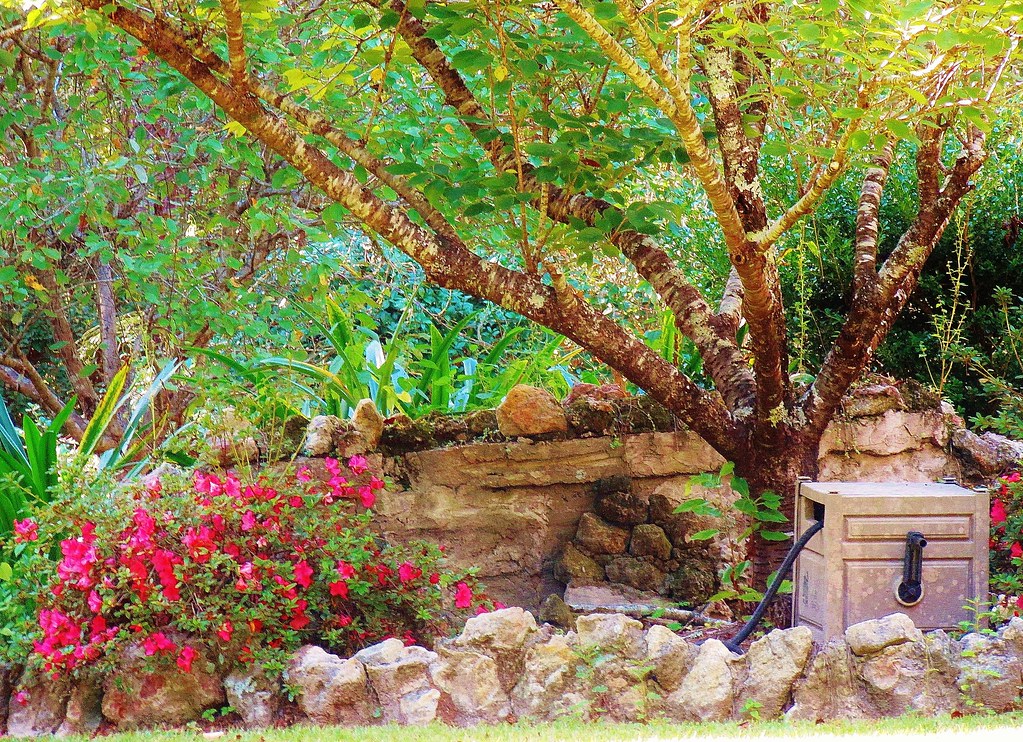
The Ultimate Fall Garden Cleanup Checklist: 10 Steps to a Healthy Start
Introduction (Why this list matters.)
Your garden tells a story. It is a story of growth, effort, and reward. As the leaves turn gold and the air gets crisp, that story reaches a pause. You need to close the chapter before winter arrives.
Many gardeners rush through this time. They feel tired after a long summer. They want to relax. But skipping cleanup can hurt your plants next year. Leftover debris holds pests and diseases. Wet soil can freeze and thaw, damaging roots.
A clear plan makes this job easier. It breaks big tasks into small steps. You will feel less stressed. You will spend less time in the yard. This guide gives you a simple, proven list. It covers what to do and when. You will also learn safety tips. Let us get your garden ready for rest.
The list
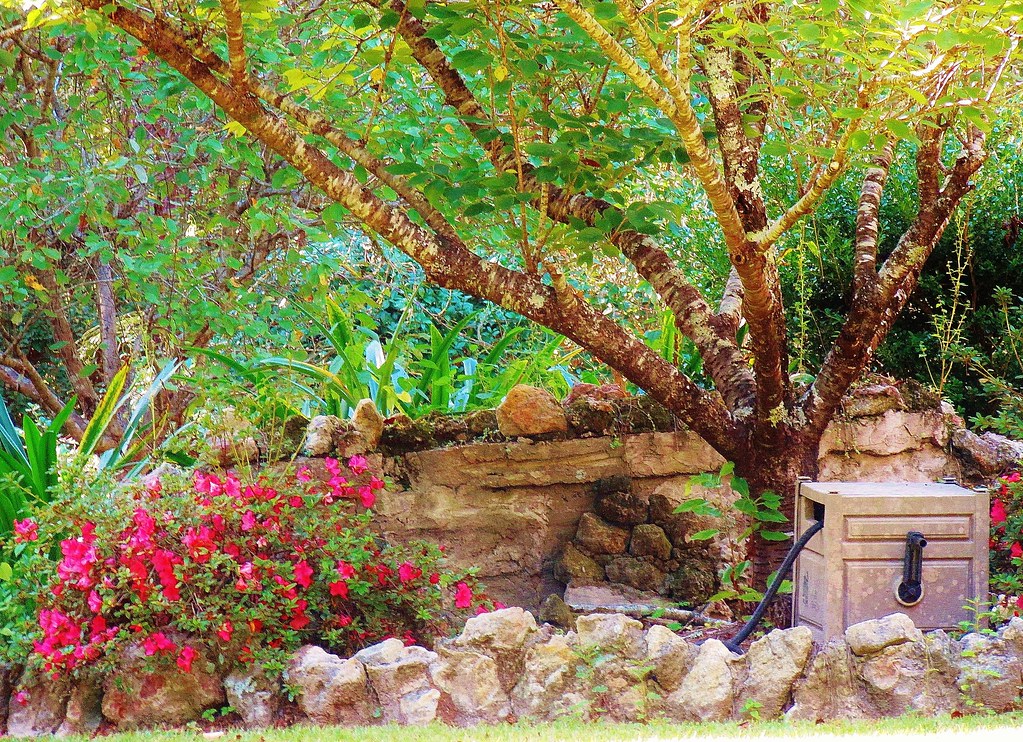
Photo: Southern Autumn Fall Garden {In Explore} by Olin Gilbert (CC BY 2.0), via Openverse.
Here are the ten key steps. Do them in this order. It saves you time and energy.
1. Harvest Remaining Produce
Pick all ripe fruit and vegetables. Check for hidden tomatoes or peppers. If you have squash or pumpkins, harvest them now. Leave them on a dry surface. Do not let them sit in wet soil. This prevents rot.
2. Remove Dead Plants
Pull out plants that have finished their cycle. This includes annuals and spent perennials. Cut them back to the ground. Use clean shears. This looks tidy and reduces hiding spots for bugs.
3. Clear Fallen Leaves
Rake leaves from beds and paths. Do not leave thick piles on the soil. Leaves can trap moisture. This rots plant crowns. You can compost clean leaves. Or use them as mulch.
4. Divide Perennials
Some plants need a split now. This includes peonies and iris. Dig them up carefully. Separate the roots. Replant them in fresh soil. This keeps the plants healthy. It prevents overcrowding.
5. Plant Spring Bulbs
Now is the time for tulips and daffodils. They need cold weather to bloom. Plant them deep enough. Water them well. The soil must be moist. This helps roots establish before the freeze.
6. Mulch Perennial Beds
Add a layer of mulch to bare soil. Use shredded leaves or straw. It protects roots from freezing. It also keeps weeds down. Keep the mulch away from plant stems. This prevents rot.
7. Clean and Store Tools
Wash all your tools. Use soapy water to remove dirt. Dry them completely. Oil metal parts to stop rust. Sharpen blades for next year. Store them in a dry place.
8. Drain and Store Hose
Drain all water from your hose. Hang it up or coil it. Store it in a garage or shed. Frozen water expands. It can burst the hose. This saves you money.
9. Protect Wood Structures
Check your fence and deck for damage. Repair any loose boards. Apply a sealant if needed. Wood swells and shrinks with temperature. Sealing protects it from moisture.
10. Plan for Next Year
Sit down with a notebook. Note what worked well. Note what failed. Sketch your new layout. Order seeds early. Planning now saves you headaches in spring.
How to choose
You might wonder if you need every item. You do not. Choose tasks based on your space and time.
Assess Your Garden Size
A small container garden needs less work. You might only need steps 1, 3, and 7. A large vegetable plot needs all ten steps. Be realistic about your energy.
Check Your Climate
Winter timing varies by region. In the South, cleanup happens later. In the North, you must finish early. Watch the local forecast. Aim to finish before the first hard frost.
Prioritize Health
Some tasks are critical for plant health. Removing diseased leaves is vital. It stops the spread of spores. Skipping this can kill your plants next year. Focus on these high-impact tasks first.
Subsection: When to Start Fall Cleanup

Photo: 2020 Fall Garden Tours by The White House (CC PDM 1.0), via Openverse.
Timing is everything. Start as soon as plants finish growing. Do not wait for the first snow.
Look for Visual Cues
Watch the leaves on your trees. When they begin to fall, start your tasks. This signals that the growing season is ending. It is a natural alarm clock.
Check the Temperature
Watch the nightly lows. When temperatures drop below 40°F, move quickly. Many plants die at this point. You need to clear debris before the ground freezes. Frozen soil is hard to work in.
Avoid Rushing
Do not try to do it all in one day. Spread the work out. Do two tasks per week. This prevents burnout. You will enjoy the process more.
Subsection: Final Fall Garden To-Do List Before Winter
This is a quick recap of the final checks. Do these before the ground freezes solid.
- Inspect Stems: Look for hollow or soft stems. Cut them out.
- Check Mulch Depth: Ensure it is 2-4 inches deep.
- Secure Structures: Tie down loose pots or stakes.
- Final Watering: Water deeply before the freeze.
- Inventory Tools: Count your tools. Report missing items.
This final list ensures nothing is missed. It gives you peace of mind. You can walk away knowing your garden is safe.
Subsection: Which Vegetables Can Stay in the Ground
Photo: White House Fall Garden Tours by The White House (CC PDM 1.0), via Openverse.
Not everything needs to be pulled. Some plants are hardy. They can survive light frost.
Hardy Greens
Kale, collards, and chard can stay. They often taste sweeter after frost. The cold converts their sugar into a milder flavor. You can harvest them as needed.
Root Vegetables
Carrots and beets can stay in the soil. The ground insulates them. They will not freeze if the soil is covered. Pull them as you need them.
Brassicas
Broccolini and broccoli heads may remain. Cover them with row covers if it gets very cold. This extends your harvest. You get fresh food later in the season.
Know Your Limits
Tomatoes and peppers will die in frost. You must harvest them. Lettuce will bolt or rot. Remove these entirely. Do not leave them to freeze.
Dosage and How to Use
This section applies to any garden products you use. This includes fertilizers or pest controls.
Read the Label
Always read the product label first. It lists the correct amount. Use the exact measurement. Do not guess. Too much can harm plants. Too little may not work.
Follow the Schedule
Apply products on the days listed. Do not apply before rain. The rain will wash it away. This wastes money and hurts the environment.
Ask a Professional
If you are unsure, ask a local expert. They know your soil and climate. They can guide you safely.
Safety and Side Effects
Gardening is safe, but you must be careful. Follow these rules to avoid injury.
Wear Protective Gear
Use gloves to protect your hands. Wear long sleeves to avoid scratches. Use eye protection when spraying. These items prevent small injuries.
Lift Properly
Bend your knees, not your back. Keep your back straight. Lift with your legs. This prevents strain injuries.
Be Aware of Pests
Check for ticks in tall grass. Wear closed shoes. Check your skin after working. Ticks can carry diseases. Prevention is key.
Chemical Safety
Store all chemicals in a locked cabinet. Keep them away from children. Wash your hands after handling them. Do not eat or drink while working.
FAQ
What is fall garden cleanup checklist?
It is a list of tasks for late autumn. It helps you prepare your garden for winter. It includes harvesting, removing debris, and storing tools. It ensures your plants are healthy next year. It saves you time and stress.
How to use fall garden cleanup checklist?
Print the list or save it on your phone. Check off items as you finish them. Work through the list in order. Take your time. Do not rush. Enjoy the process.
Is fall garden cleanup checklist safe?
Yes, it is safe if you follow the steps. It reduces risks from pests and disease. It prevents damage to plants. It also keeps your yard tidy. A tidy yard is safer for everyone. It reduces trip hazards.
Conclusion
Fall cleanup is a vital part of gardening. It is not just chores. It is care for your future garden.
Use this checklist to stay organized. Start early to avoid stress. Be mindful of your safety. You will have a beautiful, healthy garden in spring.
Take a deep breath. You have done the hard work. Now, let your garden rest. You have earned it.
Affiliate Disclosure: This post may contain affiliate links. If you buy through these links, we may earn a small commission at no extra cost to you. We only recommend products we trust.
Medical Disclaimer: This content is for informational purposes only. It is not medical advice. Always consult a healthcare professional for personal health concerns.