
Why compost
Compost improves soil structure, feeds microbes, retains moisture, and reduces landfill waste. One bin can supply most of a small garden’s amendment needs.
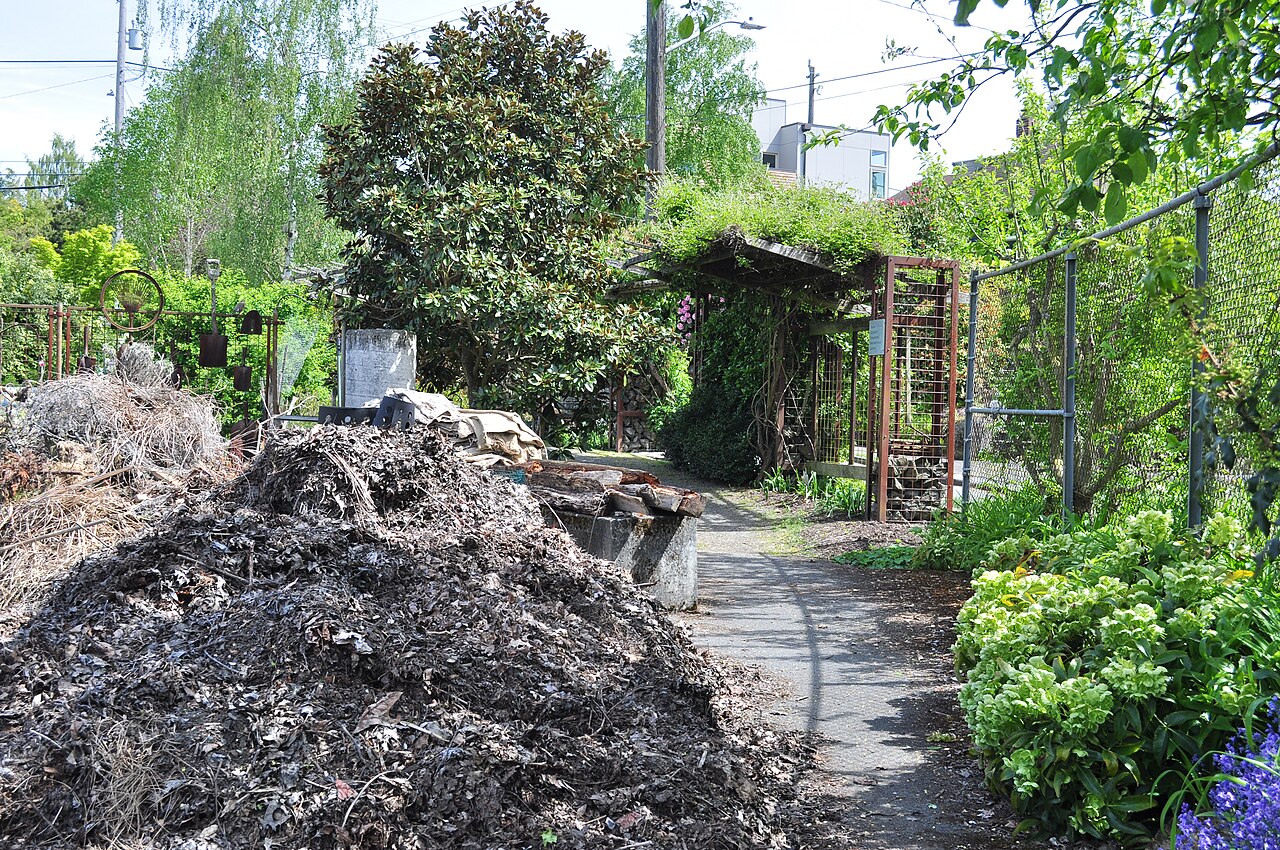
The basic recipe: browns and greens
Aim for roughly 2-3 parts “browns” (carbon) to 1 part “greens” (nitrogen) by volume.
- Greens: fruit and veg scraps, coffee grounds, grass clippings, plant trimmings.
- Browns: dry leaves, cardboard, paper, straw, wood chips.
What not to compost
- Meat, dairy, and oily foods (attract pests, smell).
- Diseased plants.
- Weeds with mature seeds.
- Pet waste.
Bin options
Tumbler (fast, tidy, small), stationary bin (cheap, high capacity), or open pile (free, needs space). Pick based on space and patience.
How to maintain it
- Keep it as moist as a wrung-out sponge.
- Turn weekly (or whenever) to add oxygen.
- Chop large pieces for faster breakdown.
- Cover food scraps with browns to deter pests and odor.
Troubleshooting
- Smells bad: too wet or too many greens — add browns and turn.
- Not breaking down: too dry or too many browns — add greens and water.
- Pests: bury scraps deeper, avoid meat/dairy.
When is it ready?
Finished compost is dark, crumbly, and smells like earth. Time ranges from 2 months (hot, turned) to a year (cold, passive). Use it as a top-dressing or mix into beds.
Pick a method before you build a bin
A hot pile needs enough material to reach at least 3 by 3 by 3 feet and regular turning. A cold pile is simply left alone and takes longer. A tumbler is tidy and suits small yards, but it holds less. Vermicomposting with red wigglers works indoors and handles kitchen scraps well. Choose the method that matches your space and how much time you will actually spend turning.
Set the pile up right the first time
Place it on bare soil where water can drain, not on a solid surface. Start with a 4-6 inch layer of coarse twigs or shredded cardboard for airflow. Add alternating layers of greens and browns. A pile that smells like ammonia has too much nitrogen; add dry leaves or shredded paper. A pile that does nothing is usually too dry or too small.
A few items need caution
Dryer lint and shredded paper are fine in small amounts. Tea bags are fine if they are not synthetic. Produce stickers and coated paper are not. Ashes add potassium but raise pH, so use them sparingly. If rats or raccoons are a problem, skip all food scraps and compost yard waste only.
Using it without wasting it
Spread 1-2 inches over a bed and dig it into the top few inches. For containers, mix about one part finished compost to three parts potting mix. Compost is not a complete fertilizer; heavy feeders such as tomatoes still need a sidedress.
Common questions
How long until compost is finished?
A turned, hot pile can be ready in two to three months. A passive pile often takes a year.
Can I compost grass clippings?
Yes, in thin layers. Thick layers mat down and go anaerobic. Mix them with dry leaves.