
Start with open-pollinated plants
Seeds from open-pollinated (OP) or heirloom varieties grow true to type, meaning the next generation looks like the parent. Seeds from most F1 hybrids do not, because their offspring split into mixed traits.
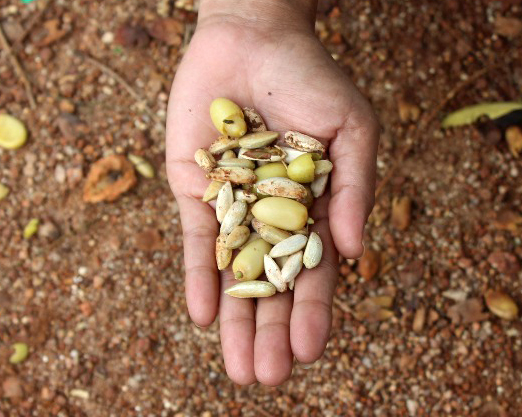
Easy crops for beginners
- Self-pollinating: beans, peas, lettuce, and tomatoes. Little risk of crossing.
- Insect-pollinated: squash, cucumbers, and melons cross easily. Grow only one variety of each species if you want pure seed.
When to harvest
- Beans and peas: let pods dry on the plant until they rattle.
- Tomatoes: pick fully ripe fruit, scoop out the seeds and gel, then ferment for 2-3 days before rinsing.
- Lettuce: let the plant bolt, then collect seed heads when they turn brown and fluffy.
- Squash and cucumbers: wait until the fruit is fully mature, then scoop the seeds.
Dry and store
Spread seeds on a paper plate or screen in a warm, dry room with good air flow for one to two weeks. Seeds are dry when they snap or break cleanly rather than bend. Store them in labeled paper envelopes inside a sealed jar, in a cool, dark, dry place. Include the year.
Viability
Seeds lose viability with age. Onion and parsnip seeds usually last 1-2 years. Beans, peas, and squash often last 3-4 years or more. Do a germination test on a damp paper towel before sowing a large batch.
Common mistakes
- Saving seed from hybrids and expecting the same plant.
- Storing seed that is not fully dry, which leads to mold.
- Forgetting to label, so varieties get mixed up.
Know the pollination risk
Beans, peas, and lettuce mostly pollinate themselves, so saved seed stays true. Squash, cucumbers, and corn cross readily with nearby varieties. If you want pure seed, grow one variety of each species or separate varieties by distance and time.
Dryness decides storage life
Seeds must be fully dry before they go into envelopes. A seed is dry when it snaps instead of bending. Dry on a screen or paper plate in a warm room with air moving for one to two weeks. Paper envelopes inside a sealed jar keep moisture out better than plastic bags.
Label everything twice
Write the variety and year on the envelope and on the jar. Tomato seed needs fermentation to remove the gel around each seed; squash and bean seed do not. Keep records of planting date and performance so you know which lots are worth repeating.
Test before a big sowing
Place ten seeds on a damp paper towel in a sealed bag. Count how many sprout in a week. If fewer than six do, sow more thickly or replace the lot.
Common questions
Can I save seed from hybrid tomatoes?
You can, but the plants will not match the parent. Save seed from open-pollinated varieties instead.
How long does seed last?
Beans and squash often keep four years or more. Onion and parsnip seed are best used within one or two years.