
1. When to start
Count backwards from your area’s last spring frost date. Seed packets list “start indoors X weeks before last frost.” Follow that, not your excitement. Starting too early produces leggy, root-bound plants that stall after transplanting.
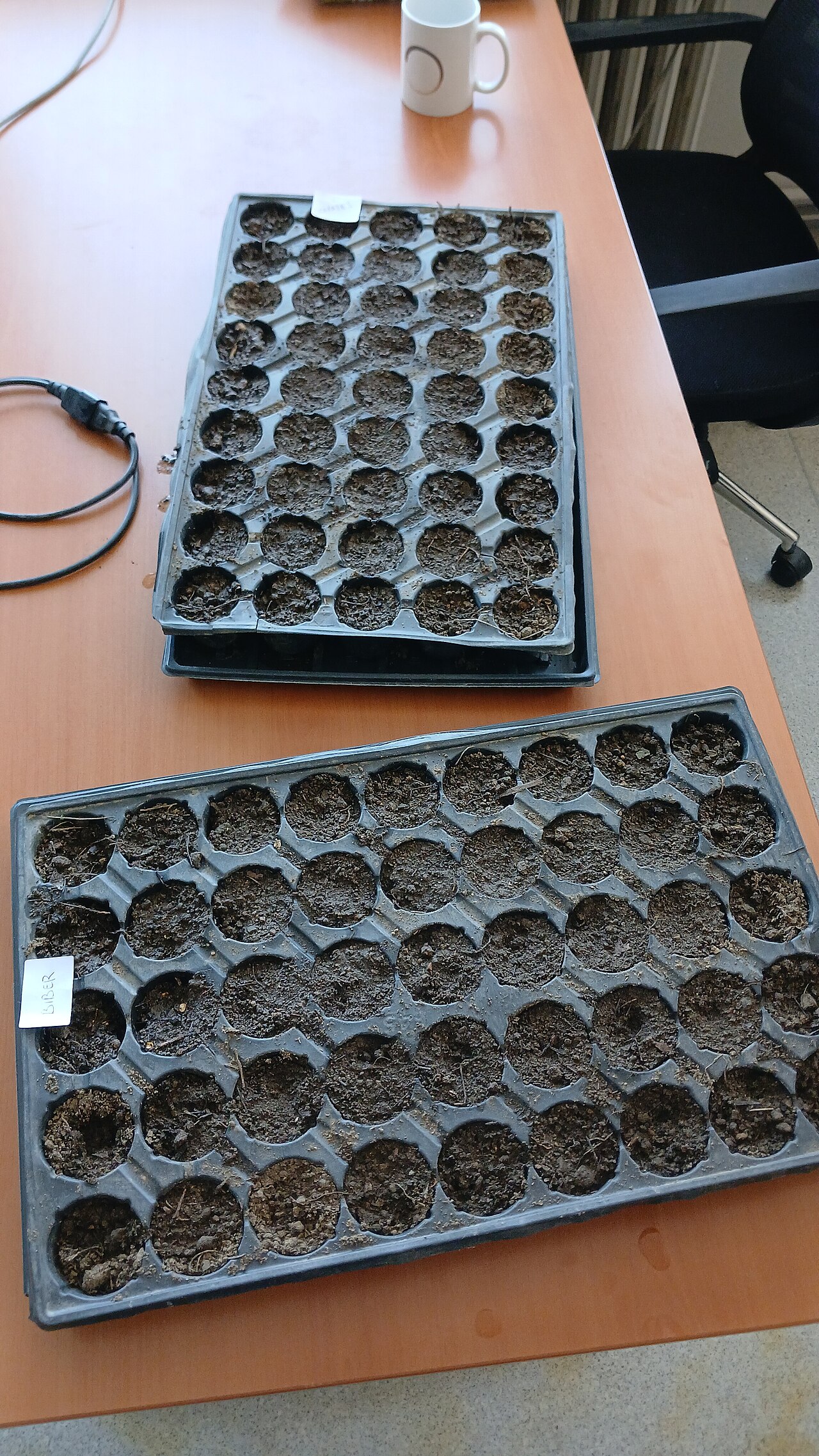
2. What you need
- Containers: cell trays, yogurt cups with drainage holes, or soil blocks.
- Seed-starting mix (light, sterile, fine-textured) — not garden soil.
- Labels and a waterproof pen.
- A light source: a sunny south window at best, but a simple LED grow light is far more reliable.
- Optional: a heat mat for peppers, tomatoes, and eggplant.
3. Sowing
Pre-moisten the mix until it feels like a wrung-out sponge. Fill containers, make a shallow hole, drop in 1-2 seeds, and cover to the depth on the packet. Label immediately — you will forget.
4. Light and warmth
Give seedlings 14-16 hours of light per day, with the light 2-3 inches above the foliage. Raise the light as plants grow. Keep air temps around 65-75°F (18-24°C); use a heat mat for warmth-loving crops until germination, then remove it.
5. Watering
Bottom-water when possible: set trays in a shallow pan of water for 10-15 minutes, then drain. This avoids damping-off disease. Keep the mix evenly moist, never waterlogged.
6. Hardening off
For 7-10 days before planting out, gradually expose seedlings to outdoor sun, wind, and cooler temps. Start with 1-2 hours of shade and increase daily. Skip this and plants sunburn or stall.
7. Transplanting
Move plants outside after the last frost, when they have 2-3 true leaves. Plant at the same depth (tomatoes can go deeper). Water well and mulch.
Common mistakes
- Overwatering, which causes damping-off.
- Too little light, producing weak, leggy seedlings.
- Starting too early.
- Forgetting labels.
- Skipping hardening off.
Timing by crop, not by calendar
Count back from your last spring frost date, then check the crop. Tomatoes usually go indoors 6-8 weeks ahead; peppers need 8-10 weeks; lettuce and brassicas can start 4-6 weeks ahead. Onions and leeks want even longer. Starting peppers in mid-March for a late-May transplant is normal. Starting them in January usually produces tall, weak plants before the garden is ready.
Choose your mix and container deliberately
A seed-starting mix is lighter and finer than potting soil. That matters because tiny seeds need to push through it and roots need air. Coco coir and peat both work; coir re-wets more easily, peat holds moisture longer. Cell trays are easiest for beginners, but clean yogurt cups with holes punched in the bottom work just as well. Soil blocks are an option if you want to skip plastic.
Germination and the first week
Most vegetable seeds germinate between 65 and 75°F (18-24°C). Peppers and eggplant are slower unless the soil stays near 80°F (27°C), which is why a heat mat helps. A clear dome keeps humidity high until the first true leaves appear, then take it off. Damping-off is a fungal problem that kills seedlings at soil level; it thrives in wet, still air.
When seedlings get leggy
Leggy stems mean the light is too weak or too far away. Keep an LED 2-3 inches above the tops and run it 14-16 hours a day. A bright window in February is rarely enough for tomatoes. Rotate trays every few days so plants grow straight.
Common questions
Do I need a heat mat for every seed?
No. Tomatoes, peppers, and eggplant benefit most. Lettuce, brassicas, and onions germinate fine at room temperature.
How often should I feed seedlings?
Start at half strength once the first true leaves open. Weekly is enough; more than that burns small roots.
Further reading
- Starting Vegetable Seeds Indoors – UMD Extension
- Starting Seeds Indoors: Materials – Utah State Extension