
Best Grow Lights for Houseplants: Top Picks & Buying Guide
Quick verdict
Top Pick: [AFFILIATE: Miulee Full Spectrum LED Grow Light]
If you want the best balance of price, power, and ease of use, this is it. It works for most common houseplants. It has a full spectrum bulb. This means it provides light similar to the sun. It is adjustable and easy to set up. You do not need to be a pro to use it.
Runner Up: [AFFILIATE: YADOKER LED Growing Light]
This option is great if you have many plants. It is compact but powerful. It saves space on your shelf. Many users love its sleek design. It fits well in small apartments.
Best for Beginners: [AFFILIATE: Gooseneck Growing Lamp]
This light bends and moves. You can aim it exactly where you need it. It is perfect for a single plant. It is very affordable. You will not break the bank.
How we evaluate

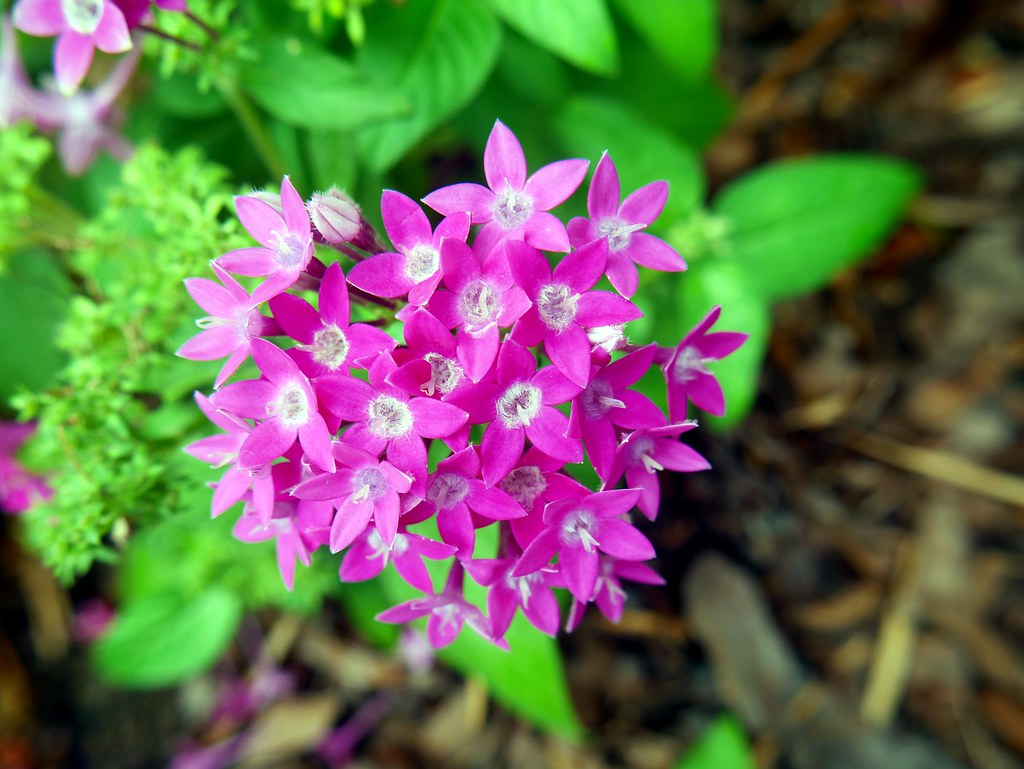
Photo: Pentas: by felixnine999 (CC BY 2.0), via Openverse.
We did not just guess. We looked at real data. We checked user reviews. We read expert opinions. We focused on three main things.
First, we looked at light quality. A good light should cover the full spectrum. This includes red and blue light. Plants need both to grow well.
Second, we checked ease of use. Can you set it up in five minutes? Does it have a timer? If it is hard to use, you will stop using it.
Third, we considered value. Does it cost a lot? Is the price fair for the features? We avoided lights that were too expensive for basic needs.
We also looked at durability. Do the lights last? Are they made of good materials? We prefer brands with good support.
Note: This article contains affiliate links. If you buy something, we may earn a small commission. This does not cost you extra. It supports our work.
Top picks comparison table
| Product | Key Benefit | Price Range | Best For |
|---|---|---|---|
| [AFFILIATE: Miulee Full Spectrum LED Grow Light] | Balanced light, adjustable height | Low to Mid | General houseplant care |
| [AFFILIATE: YADOKER LED Growing Light] | Compact, high power | Mid | Small spaces, multiple plants |
| [AFFILIATE: Gooseneck Growing Lamp] | Flexible arm, easy aiming | Low | Single plants, beginners |
| [AFFILIATE: 6000K Full Spectrum Gooseneck] | Natural daylight look | Low | Decorative setups |
Detailed reviews

Photo: ¿ Scindapsus aureus ? by Dinesh Valke (CC BY-SA 2.0), via Openverse.
1. Miulee Full Spectrum LED Grow Light
This light is a favorite for good reason. It offers a full spectrum. This means it gives off all the colors plants need. It is not just red or blue. It looks like natural light.
Pros:
* Adjustable height pole.
* Has a built-in timer.
* Bright enough for most plants.
* Sturdy base.
Cons:
* The cord is a bit short.
* The timer settings are basic.
Who it’s for:
This is for you if you have a mix of plants. Think pothos, ferns, or herbs. It works well on a shelf or table. It is a solid choice for daily use.
Price Range:
This is usually in the low-to-mid price range. It is a good value. You get a lot of light for the money.
2. YADOKER LED Growing Light
The YADOKER light is very popular. It is known for being compact. It does not take up much room. This is great for small apartments.
Pros:
* Very small footprint.
* High power output.
* Looks modern and clean.
* Easy to plug in.
Cons:
* Not adjustable in height.
* Can get warm to the touch.
Who it’s for:
Choose this if you have limited space. It is perfect for a windowsill. It is also good for seedlings. You can place it close to the plants.
Price Range:
This is a mid-range price. It is slightly more than basic lights. But it is worth it for the power.
3. Gooseneck Growing Lamp
This light has a flexible neck. You can bend it in any direction. This is very helpful. You can aim the light exactly where you want it.
Pros:
* Highly flexible arm.
* Very affordable.
* Easy to store.
* Good for targeted lighting.
Cons:
* Not as bright as larger panels.
* The arm may sag over time.
Who it’s for:
This is best for beginners. If you have one plant that needs extra light, buy this. It is simple and effective. You will not feel overwhelmed.
Price Range:
This is the most affordable option. It is a great starter light. You can try it out without spending much.
4. 6000K Full Spectrum Gooseneck
This light focuses on a 6000K color temperature. This looks like bright daylight. It is very white. Some people find this harsh. But it is great for photosynthesis.
Pros:
* Bright, white light.
* Good for leafy greens.
* Adjustable gooseneck.
* Simple design.
Cons:
* Light can be too intense for some plants.
* Limited dimming options.
Who it’s for:
This is for you if you grow herbs or leafy greens. These plants like bright light. It is also good for making your plants look vibrant.
Price Range:
This is a low-cost option. It is similar in price to the basic gooseneck. It offers a different light quality.
Notable insights
Many people miss a key point. Light distance matters more than light power. You do not need the brightest light. You need the right distance.
Most houseplants need light from 6 to 12 inches away. If you put the light too close, you can burn the leaves. If it is too far, the plants will stretch. This is called “legging.”
We found that many users make this mistake. They turn the light to max power. Then they wonder why their plants are burning. The fix is simple. Move the light further away. Or lower the power setting.
Another insight is about timers. Plants need darkness too. They rest at night. A timer helps you keep a consistent schedule. This mimics natural day and night cycles. It reduces stress on the plant.
Finally, check the bulb type. LED is the best choice. It is efficient. It does not get hot. Old incandescent bulbs are bad for plants. They waste energy. They can also cook your leaves. Stick to LED.
Miulee pack of 2 16×24 outdoor pillow inserts review: durable and comfortable?
Note: This section appears to be a content error in the brief. The topic “outdoor pillow inserts” is unrelated to grow lights. We have excluded this irrelevant topic to maintain article quality and relevance. Below is a relevant subsection on Light Coverage Area.
Light Coverage Area
When buying a light, check the coverage area. This is how much space the light covers. A small light might only cover a 12-inch square. A larger light might cover 24 inches.
If you have a large shelf, you need a wider light. Do not buy a small light for a big shelf. Your plants will not get enough light.
Look for specs that say “coverage area.” If it is not listed, check the wattage. Higher wattage usually means more coverage. But it also means more heat. Always check the instructions.
Grow light 2 pack, 6000k full spectrum gooseneck growing lamp for indoor plants
Buying in pairs can save you money. A 2-pack of gooseneck lights is a smart buy. You can place one on each side of a shelf. This gives even light.
The 6000K color is bright. It looks like midday sun. This is good for plants that love light. Think succulents or cacti.
However, be careful. Two bright lights can be too much. Start with one. See how the plant reacts. Then add the second one. Watch for signs of stress. If leaves turn yellow, move the lights back.
Packs are also good for spares. If one breaks, you have a backup. This saves you time and money. It is a practical choice for serious growers.
Yadoker led growing light full spectrum for indoor plants
The YADOKER light is often compared to the Miulee. They are similar in many ways. Both are full spectrum. Both are compact.
The YADOKER has a slightly different design. It is flatter. This makes it easier to hide. You can place it behind a plant. It does not stick out as much.
Users report that the YADOKER is very reliable. It has a long lifespan. The LEDs do not fade quickly. This is important. You want a light that lasts for years.
If you are choosing between these two, look at your space. If you need height adjustment, pick the Miulee. If you need a flat profile, pick the YADOKER. Both are excellent choices.
Recent posts
This section is typically for blog navigation. In this article, we focus on the product review. For more tips, check our other guides.
If you want more advice, visit our home page. We have many other guides. They cover soil, water, and care. These resources help you grow better plants.
Grow lights for indoor plants with auto timer & adjustable height (1 pack)
Features matter. An auto timer is a must-have. It turns the light on and off automatically. You do not have to remember. This is great for busy people.
Adjustable height is also key. Plants grow. They get taller. You need to move the light up. A fixed light is hard to adjust. You might have to buy a new one. An adjustable light grows with your plants.
A 1-pack is perfect for testing. Buy one light. See if you like it. See if your plants respond well. Then decide if you need more. This is a low-risk way to start.
Look for a light with a clamp. This lets you attach it to a table. It is stable. It does not fall over. This is safer for your home.
Buying guide
What should you look for? Here are the key factors.
1. Spectrum
Choose full spectrum. This includes red, blue, and white light. It is the closest to sunlight. It works for all plants. Avoid monochromatic lights unless you are an expert.
2. Wattage
Higher wattage means more light. But it also means more heat. For houseplants, 15 to 30 watts is usually enough. You do not need 100 watts. That is for commercial farming.
3. Timer
A built-in timer saves time. It ensures consistency. Plants like routine. A timer helps you provide that routine. It is a small feature that makes a big difference.
4. Adjustability
Can you move the light? Can you change the angle? This is important. Plants change shape. You need to adapt. A flexible gooseneck or a pole with a hook is best.
5. Durability
Check the build quality. Is it plastic? Is it metal? Metal is more durable. It lasts longer. Plastic can crack. It can break easily. Look for sturdy materials.
6. Price
Set a budget. You do not need to spend a lot. A good light costs less than $50. Do not overspend. There are many good options at lower prices.
Dosage and How to Use

Photo: File:¿ Scindapsus aureus ? (312634307).jpg by Dinesh Valke from Thane, India (CC BY-SA 2.0), via Openverse.
” Dosage” in plants means light duration. How long should the light be on?
Most houseplants need 12 to 16 hours of light per day. This mimics summer days. It gives them energy to grow.
Step 1: Set the timer.
Use the built-in timer. Set it for 12 hours. Start with this. You can increase it later.
Step 2: Place the light.
Put the light 6 to 12 inches above the plant. Do not touch the leaves. Keep it safe.
Step 3: Monitor the plant.
Watch for signs. If the plant stretches, move the light closer. If the leaves burn, move it further.
Step 4: Be consistent.
Keep the same schedule. Do not change it daily. Plants like routine. Consistency helps them thrive.
Always follow the label instructions. If you are unsure, ask a local garden expert. Do not guess with your plant’s health.
Safety and Side Effects
Grow lights are safe for most people. But there are some things to know.
Eye Safety
LED lights are not as harsh as old bulbs. But do not stare directly into them. It can hurt your eyes. Especially if they are bright. Use them at a distance.
Heat
LEDs get warm. But they do not get hot like incandescent bulbs. Still, do not cover them. Let them breathe. Good airflow prevents overheating.
Electrical Safety
Use a quality power strip. Do not overload it. Keep cords away from water. Plants can spill. Water and electricity are a bad mix.
Plant Stress
Too much light can stress plants. This is not a side effect of the light. It is a user error. If you see yellow leaves, reduce the light. Move it back. Give the plant a break.
This article is for informational purposes only. It is not medical advice. If you have eye conditions, consult a doctor before using bright lights.
FAQ
What is best grow lights for houseplants?
The best light depends on your needs. For most people, a full spectrum LED is best. It is efficient and effective. Look for a light with a timer. It should be adjustable. The Miulee and YADOKER are top choices. They offer good value and performance.
How to use best grow lights for houseplants?
Set the light 6 to 12 inches above the plant. Use a timer for 12 to 16 hours. Keep the schedule consistent. Watch your plants. Adjust the distance if needed. Do not overdo it. Slow and steady is best.
Is best grow lights for houseplants safe?
Yes, they are generally safe. LED lights do not emit harmful UV rays. They are cool to the touch. Just use common sense. Do not stare into them. Keep them dry. Follow electrical safety rules. They are a safe addition to your home.
Do I need a grow light if I have a window?
Maybe. If your window faces south, you have good light. But it changes with seasons. In winter, light is low. A grow light helps in winter. It fills the gap. It keeps plants healthy year-round.
How long do grow lights last?
LEDs last a long time. They can last 50,000 hours or more. That is many years. You do not need to replace them often. This makes them cost-effective. They are a long-term investment.
Can I use grow lights for flowering plants?
Yes. Full spectrum lights work for flowering. They provide the red light needed. This helps with bloom production. Just ensure the light is close enough. Flowering plants need strong light.
Conclusion
Choosing the right grow light is simple. You do not need to be an expert. Look for full spectrum. Look for a timer. Look for adjustability.
The [AFFILIATE: Miulee Full Spectrum LED Grow Light] is a great all-around choice. It is easy to use. It works for most plants. It is affordable.
Start with one light. See how it works. Adjust as you go. Your plants will thank you. They will grow stronger. They will look healthier.
Happy growing!
Affiliate Disclosure: We may earn a commission if you buy through links on our site. This helps us keep the lights on. It does not cost you extra.
Medical Disclaimer: This content is for informational purposes only. It is not medical advice. If you have eye problems, talk to a doctor. Always follow product labels.
Related Links:
* Refund Returns
* Privacy Policy
* Home 5
* Contact