When to Plant Tomatoes by Zone
You should wait to plant tomatoes until the danger of frost has completely passed, nighttime air temperatures remain above 50°F, and the soil.

Practical gardening advice from seed to harvest.
You should wait to plant tomatoes until the danger of frost has completely passed, nighttime air temperatures remain above 50°F, and the soil.

Use an 8‑inch (1‑gallon) pot, a light potting mix, at least six hours of sun, and feed with liquid fertilizer every two weeks. Growing basil in.
a strong water spray, targeted pruning, and a quick‑mix insecticidal soap will usually knock the colony down before it spreads. Homeowners in zones.
finish the core tasks before the ground freezes solid, and you’ll protect next spring’s growth. The checklist below follows the calendar week by week.
Harden off the plant for 5–7 days, then plant in a well‑draining container, water by temperature, feed on schedule, prune suckers, and support the.

The Barrina T5 is the most practical choice for most home setups because its modular design covers multiple trays without taking up excessive vertical.
For the majority of your collection, use a high-porosity mix like Fox Farm Ocean Forest or a 50/50 blend of Black Gold potting mix and extra perlite to.
The snake plant, ZZ plant, cast iron plant, and pothos tolerate low-light apartment settings best, maintaining structural integrity down to 50.

The most reliable choice for a balance of price and performance is the Lechuza planter because its clear reservoir eliminates the guesswork that leads.

The Flexzilla 50 ft provides the best balance of weight, flexibility, and flow rate for the average suburban lot. Choosing a hose that refuses to loop.

The best 100 ft hose is one with high material memory that snaps back into shape, such as the Flexzilla 100 ft or the Zero-G 100 ft, because they.
The USDA Plant Hardiness Zone Map is a geographic system that ranks regions by their average annual extreme minimum temperature to help you determine.

Sizing by measured hand circumference matters more than material selection when buying gardening gloves. Most standard work gloves sold at big-box.
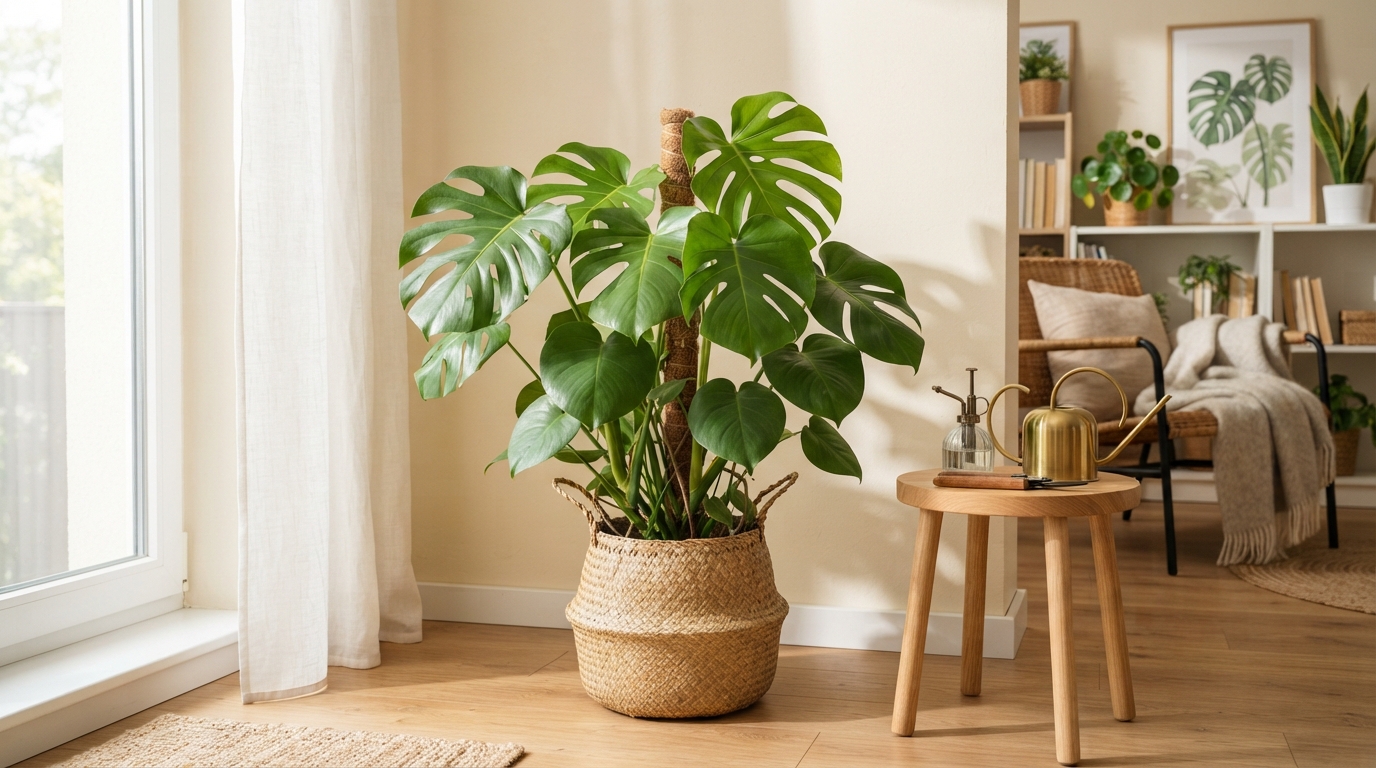
Place your plant in bright, indirect light, water only when the top 3 inches of soil are dry, and use a porous potting medium to avoid root rot. Stop.
Buy the Felco F-2 for general pruning, the Okatsune 103 for small hands or precision work, and the Fiskars PowerGear2 if you struggle with grip.

Buy a full-spectrum white LED fixture sized to your canopy, run it 12 to 16 hours daily on an inexpensive plug-in timer, and throw away any purple.
start seeds 6–8 weeks before the last frost and use a 5‑gallon grow bag for best results. Container tomatoes let you grow fresh fruit on a balcony.

The Vego Garden raised bed is the top choice for longevity due to its 22-gauge Aluzinc steel, while the Greenes Fence cedar bed serves as the best.
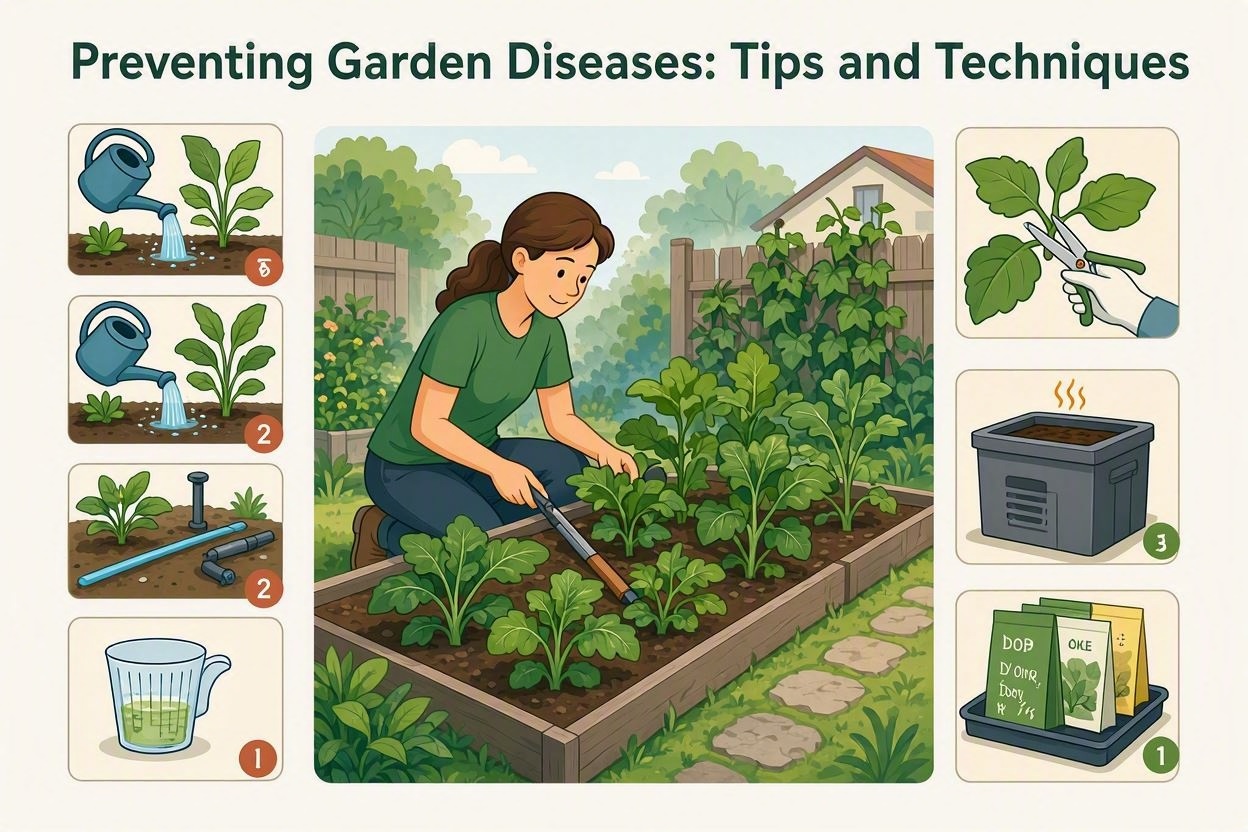
Successful disease prevention relies on keeping foliage dry through bottom-watering, maintaining 24-inch spacing for airflow, and using sterilized.

The best time to prune most trees is late winter while they are dormant, using the three-cut method to protect the branch collar and prevent bark.

Focus on acacia wood for aesthetics, HDPE for longevity in zones 4-7, and powder-coated aluminum for humid climates like zone 9.** Choosing these.
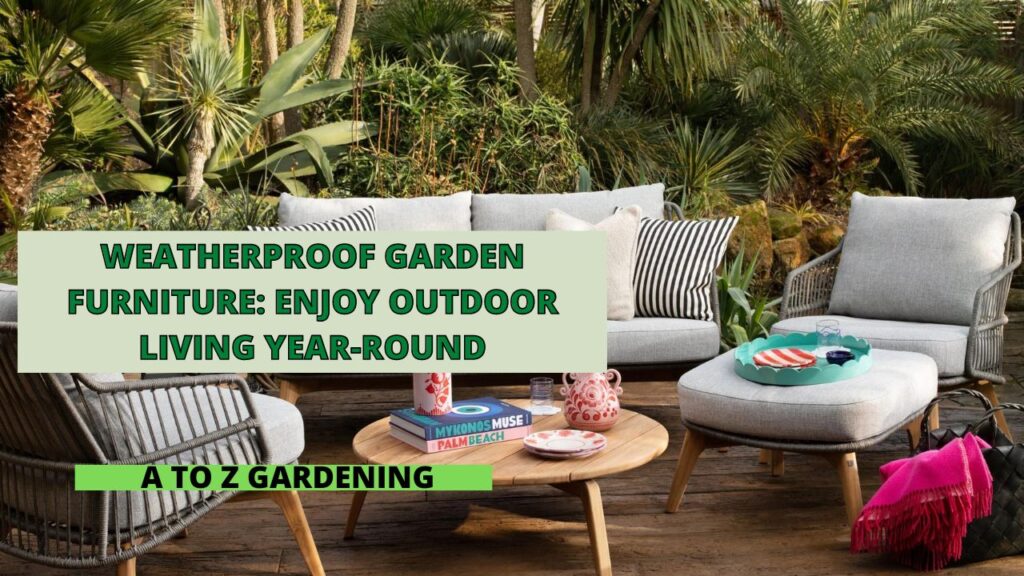
True weatherproof furniture relies on high-density polyethylene (HDPE), grade-A teak, or powder-coated aluminum to handle the freeze-thaw cycles found.
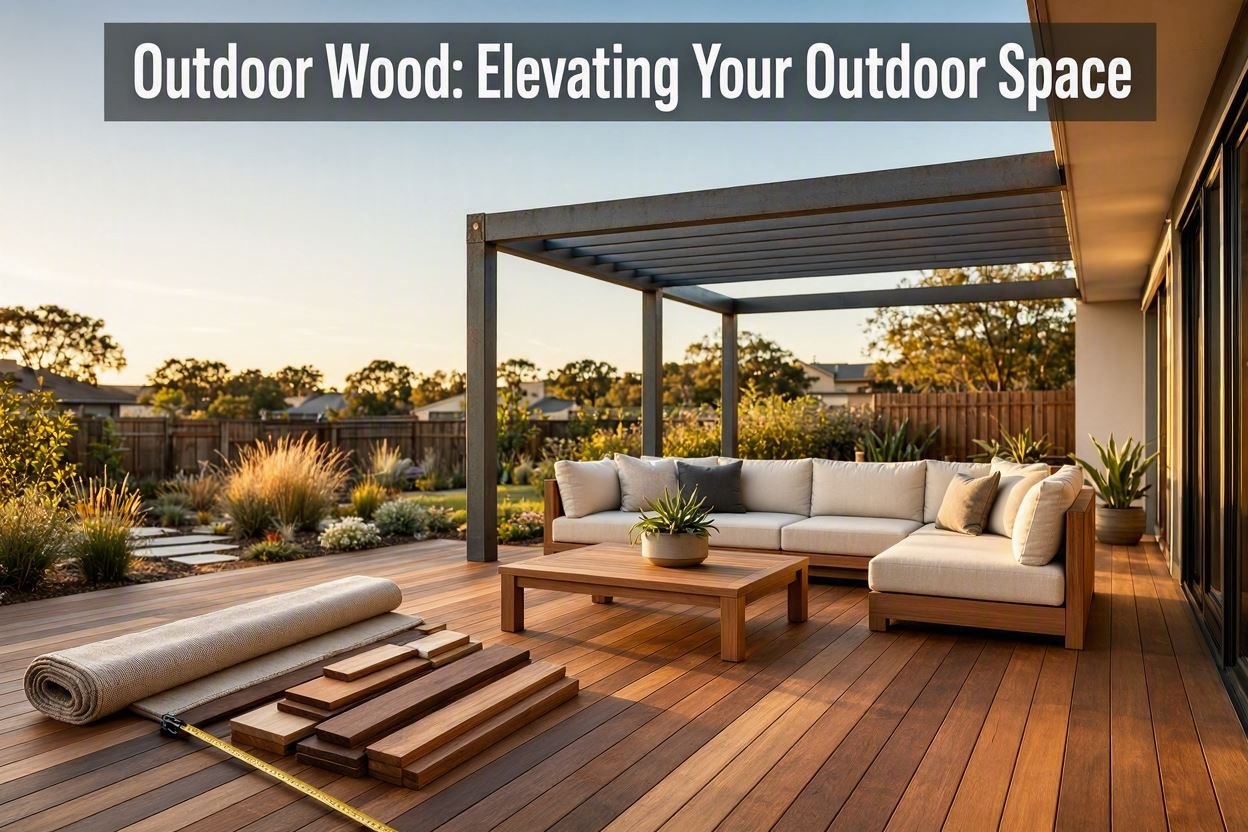
For edible garden beds, use Western Red Cedar or Black Locust for natural rot resistance, or modern pressure-treated lumber (ACQ) if you want to save.
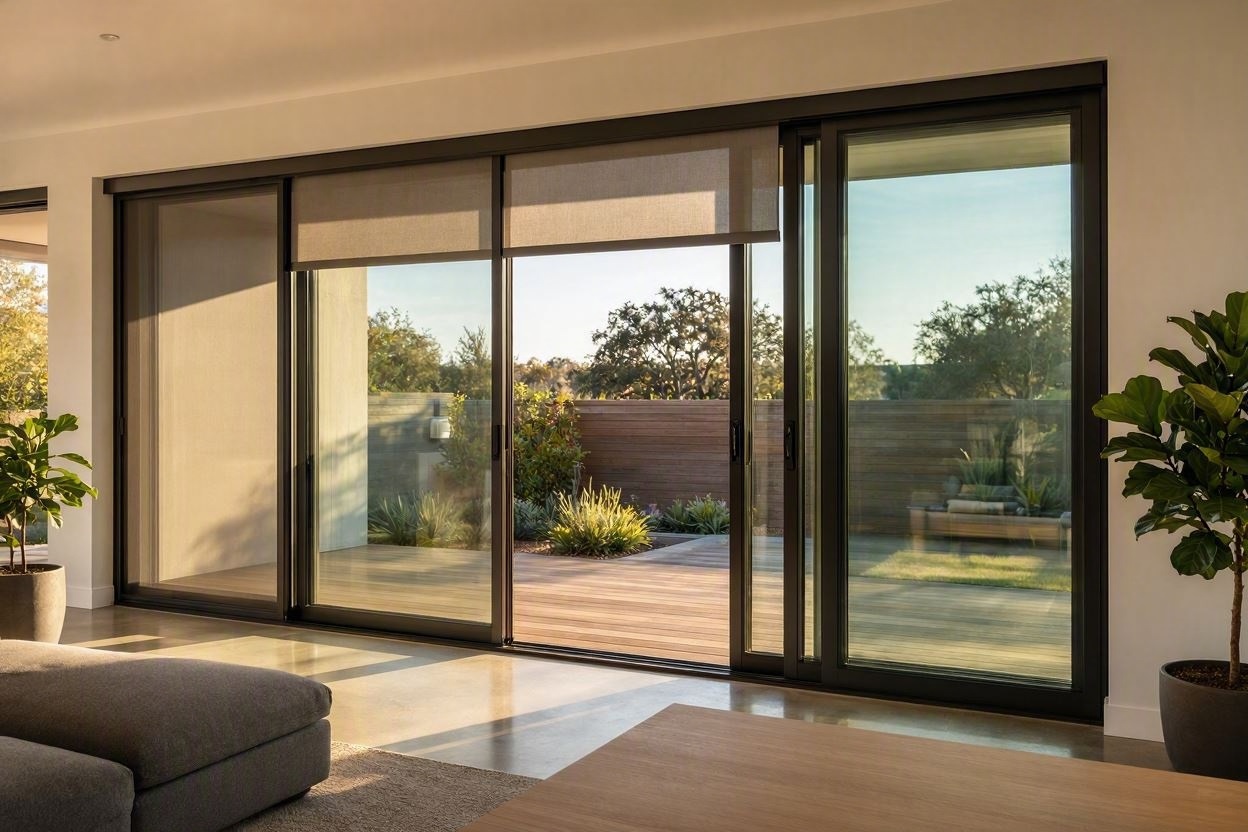
Position sun-loving plants like Fiddle Leaf Figs 12 to 18 inches away from the glass and use a sheer curtain to prevent leaf scorch during peak summer.
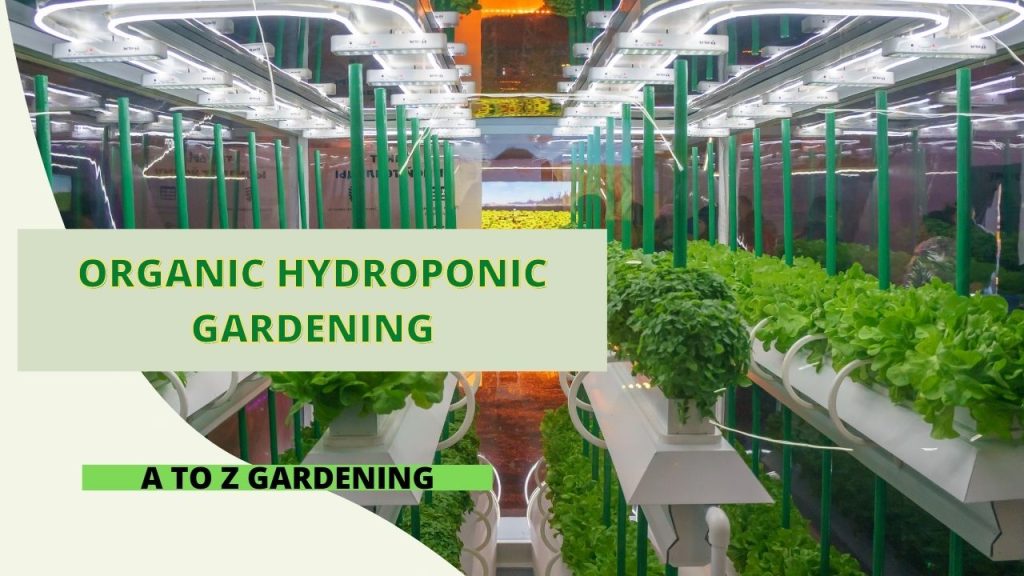
Organic hydroponics replaces synthetic mineral salts with biological processes that rely on microbes to break down complex nutrients into a form plants.

Most grass seed takes between 7 and 21 days to germinate, though aggressive species like perennial ryegrass can sprout in 5 days while stubborn.