
USDA Plant Hardiness Zones Explained: A Simple Guide for Gardeners
Introduction
Do you ever buy a plant that looks perfect in the store? It has bright leaves and maybe even flowers. You bring it home with high hopes. But then winter hits. The plant dies, or it never blooms again. You feel frustrated and confused. You are not alone. Many gardeners face this problem.
The key is knowing your zone. The USDA Plant Hardiness Zone Map is a tool for this. It tells you the average lowest winter temperature in your area. This simple chart helps you pick plants that will survive.
This guide explains how the zones work. You will learn how to find your zone. You will also learn how to use this map to build a garden. This information helps anyone who likes to grow things. Whether you have a small balcony or a big yard, this guide is for you. We will keep it simple. No complex science is needed. Just practical tips for a better garden.
What is usda plant hardiness zones explained?
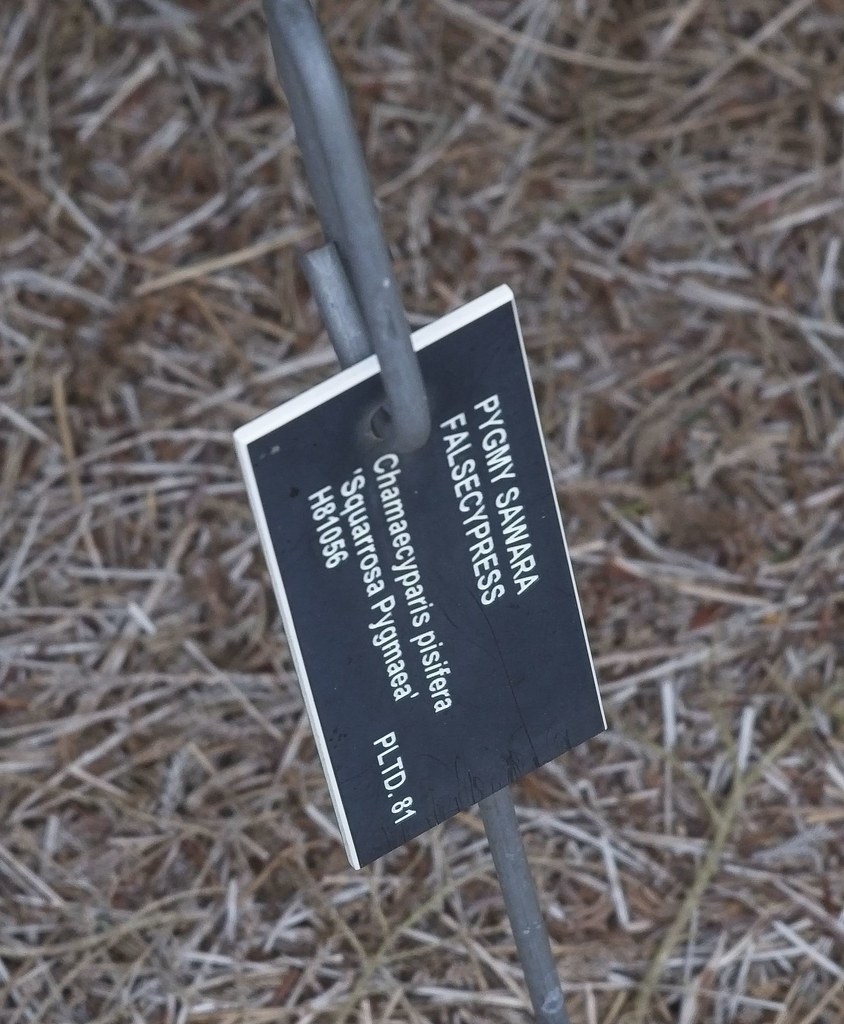
Photo: Chamaecyparis pisifera ‘Squarrosa Pygmaea’, 2019 photo by F. D. Richards (CC BY-SA 2.0), via Openverse.
Let’s start with the basics. What exactly is a hardiness zone? The USDA created this map in 1960. They used data from weather stations. They looked at the average annual minimum temperature. This is the coldest it usually gets in winter.
The map divides the US into zones. Each zone represents a 10-degree Fahrenheit range. For example, Zone 5 means temperatures drop to between 0 and 10 degrees. Zone 10 means it stays between 30 and 40 degrees.
Each zone is also split into two parts. These are called “a” and “b”. Zone 5a is colder than Zone 5b. Zone 5a ranges from 0 to 5 degrees. Zone 5b ranges from 5 to 10 degrees. This helps you be more precise.
Why does this matter? Plants have limits. Some can handle deep freezes. Others die if it gets too cold. If you plant a tropical flower in Zone 4, it will likely die. If you plant a hardy shrub in Zone 9, it may not get cold enough to rest properly.
The map is a guide, not a guarantee. Local conditions change things. City heat can make your zone warmer. Wind can make it colder. A hillside might be colder than a valley. Still, the zone is your best starting point. It tells you what plants can survive your winters.
You can find your zone online. The USDA website has a tool. You type in your zip code. It shows you the zone for your specific location. This is free and easy to use. Always check the map before buying plants. It saves you money and heartache.
Key Benefits and Evidence
Using the hardiness zone map has clear benefits. It helps you make smart choices. You avoid wasting money on plants that will not survive. This is the main point. But there are other perks too.
First, you save resources. When plants die, you waste water and soil. You also waste energy. Choosing hardy plants means less waste. Your garden becomes more sustainable. This helps the environment.
Second, it reduces stress. Gardening should be fun. It should not be a guessing game. Knowing your zone gives you confidence. You know what to expect. You can plan your garden with ease.
Third, it improves plant health. When a plant is well-suited to its climate, it thrives. It grows stronger. It produces more flowers or fruit. It is less likely to get sick. Stress from wrong conditions weakens plants. The right zone keeps them strong.
Is there scientific evidence for this? Yes. Horticulture is a science. Researchers study how plants react to cold. They test many species. They publish data on what works. The USDA map is based on decades of this data. It is a proven tool.
However, be clear about the limits. The map is not perfect. Climate change is affecting weather patterns. Winters may be milder or colder than in the past. The map is an average. It does not predict every year. You must still watch the weather.
Also, the map focuses on cold. It does not account for heat, humidity, or rain. Some plants die from too much heat. Others hate wet feet. You must know your local conditions too. The zone is one piece of the puzzle. It is a vital piece, but not the whole picture.
Still, the benefits are real. Gardeners who use the map have better success. They grow more plants that last. They enjoy their gardens longer. This is worth the small effort to check your zone.
How to Use It
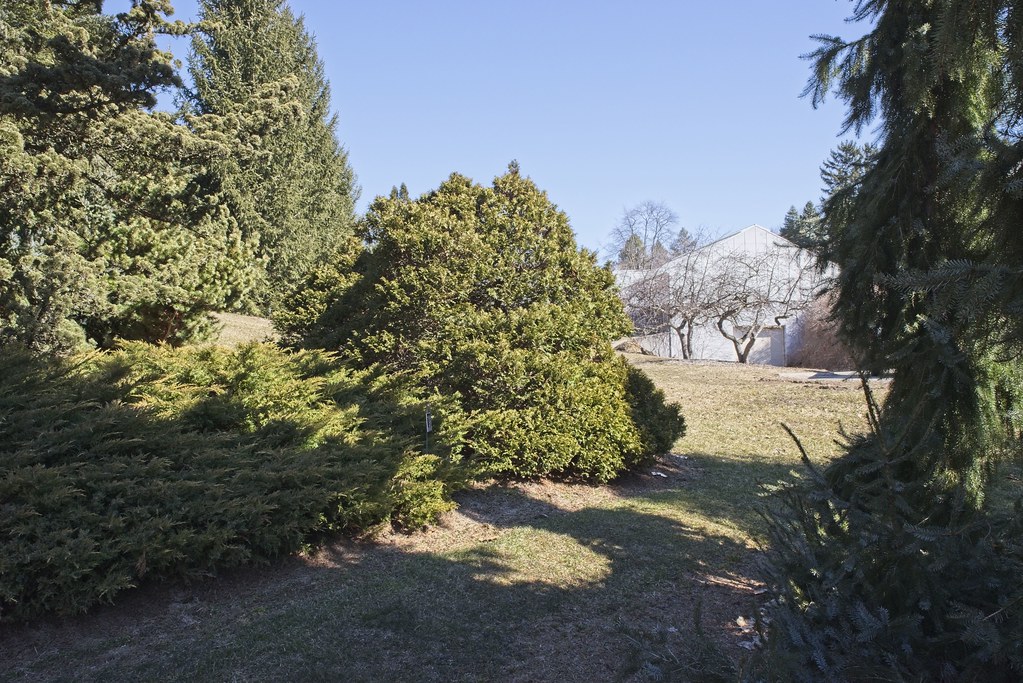
Photo: Chamaecyparis obtusa ‘Nana’, 2019 photo by F. D. Richards (CC BY-SA 2.0), via Openverse.
Using the zone map is simple. You do not need a degree in botany. Here are the steps to get started.
Step 1: Find Your Zone
Go to the USDA Plant Hardiness Zone Map website. Enter your zip code. Note your zone number. For example, you might be in Zone 7b. Write this down. Keep it handy.
Step 2: Check Plant Tags
When you shop, look at the plant label. Most tags list the hardiness zone. It might say “Zones 5-9”. This means the plant can survive in those zones. If you are in Zone 7, you are safe. If you are in Zone 4, the plant may die.
Step 3: Read the Description
Some plants have specific needs. Read the description carefully. It might say “dies back to the ground” or “evergreen”. This tells you what to expect. Some plants look dead in winter but come back in spring. Others stay green all year.
Step 4: Consider Microclimates
Look at your yard. Are there spots that are warmer or colder? South-facing walls are warmer. North-facing spots are colder. Windy spots are colder. Use this knowledge. Place sensitive plants in warmer spots. Put hardy plants in colder spots.
Step 5: Plan Your Garden
Make a list of plants you want. Check each one against your zone. If a plant is not hardy, look for an alternative. There are usually options. You can also grow non-hardy plants as annuals. Treat them as one-season plants.
Step 6: Monitor and Adjust
Watch your garden. See what thrives and what struggles. Keep notes. This helps you learn. Over time, you will know your space better. You will make even better choices.
These steps are easy. They take little time. But they make a big difference. You will build a garden that lasts.
Dosage and How to Use
This section might seem odd for a gardening guide. But “dosage” applies to your effort. You need to apply the right amount of care.
First, check the zone regularly. The USDA updates the map every few years. Your zone might change. Check the latest version. Do not rely on old data.
Second, read plant labels carefully. Do not guess. If a label says Zone 9, and you are in Zone 5, do not plant it as a perennial. It will likely die. Treat it as an annual if you want to try it.
Third, follow the label for care. Each plant has needs. Some need full sun. Some need shade. Some need moist soil. Some need dry soil. Read the instructions. Follow them closely.
Fourth, ask for help if needed. Talk to local garden centers. They know your specific area. They can advise you on which plants work best. They can also help with soil issues.
Fifth, be patient. Plants take time to establish. Do not judge them too quickly. Give them a full season to settle in.
There are no drug doses here. But there is a “dose” of attention. Pay attention to your plants. Water them when needed. Prune them when required. Feed them if recommended.
Always follow the label. It is the best guide. If you are unsure, ask a clinician or expert. In gardening, that means a horticulturist or experienced gardener. Do not guess. Guessing leads to failure.
Safety and Side Effects
Photo: Juniperus horizontalis ‘Youngstown’ 3/2022 Andorra Juniper k1 by F. D. Richards (CC BY-SA 2.0), via Openverse.
Gardening is generally safe. But there are some things to watch for.
Common Issues
* Thorn Pokes: Some plants have thorns. Watch where you place your hands. Wear gloves if needed.
* Allergies: Some people are allergic to certain plants. Poison Ivy is a common one. Learn to identify plants in your area. Avoid touching unknown plants.
* Chemicals: If you use fertilizers or pesticides, follow the label. Wear gloves and a mask if directed. Do not breathe in dust. Keep them away from pets and children.
Who Should Be Careful
* People with Back Problems: Heavy lifting can hurt your back. Lift with your legs, not your back. Ask for help with heavy pots.
* People with Joint Pain: Gardening can be hard on knees and hips. Use raised beds. This keeps you from bending down. Use ergonomic tools.
* Pregnant Women: Avoid heavy lifting. Avoid using strong chemicals. Talk to your doctor before starting a new garden project.
Possible Interactions
There are no drug interactions with plants themselves. But be careful with chemicals. If you take medication that thins your blood, be extra careful with sharp tools. A cut might bleed more. Clean any cuts immediately.
When to Stop
If you feel pain or dizziness, stop gardening. Rest and hydrate. If symptoms continue, see a doctor. Do not push through pain.
General Safety Tips
* Wear closed-toe shoes.
* Use sunscreen.
* Drink plenty of water.
* Take breaks in the shade.
* Keep tools clean and sharp.
Gardening should be enjoyable. Stay safe to keep it that way.
FAQ
What is usda plant hardiness zones explained?
It is a map that shows average winter cold. It helps you pick plants that survive your climate. Each zone is a 10-degree range.
How to use usda plant hardiness zones explained?
Find your zone using your zip code. Then check plant labels. Only buy plants that match your zone. This ensures they will survive winter.
Is usda plant hardiness zones explained safe?
Yes, it is a safe and reliable tool. It does not involve chemicals or risks. It is just a guide for planning. Always follow local safety rules for gardening.
Conclusion
USDA Plant Hardiness Zones are a simple tool. They help you grow a successful garden. You learn your zone. You match plants to that zone. You avoid wasting money on plants that will die.
This guide showed you the basics. You now know what zones mean. You know how to find yours. You know how to use the info.
Your next step is simple. Go online. Type in your zip code. Find your zone. Write it down. Then, use it the next time you shop for plants.
Gardening is a journey. It takes time and practice. But with the right tools, it is much easier. Start with your zone. Build a garden that thrives. Enjoy the process.
Disclaimer: This article is for informational purposes only. It is not medical or professional horticultural advice. Always consult a qualified professional for specific needs. Individual results may vary.
Refund Returns
Privacy Policy
Home 5