
Understanding the USDA Plant Hardiness Zone Meaning for Your Garden
Imagine buying a beautiful rose bush. You water it, feed it, and place it in the sun. But when winter hits, the plant dies. You feel frustrated. You think it was bad luck. It was not bad luck. It was a zone mismatch.
The USDA plant hardiness zone meaning is the key to preventing this. It tells you what plants can survive the coldest temperatures in your area. It is not a guess. It is a science-based map.
This guide explains what the zones mean. It shows you how to find your zone. It helps you pick plants that will thrive. You will learn how to use this tool safely and effectively. Whether you are a beginner or a pro, this information helps you save money and time.
You do not need a degree in botany. You just need to understand the basics. Let’s break it down step by step.
What is usda plant hardiness zone meaning?
Let’s start with the definition. The USDA stands for the United States Department of Agriculture. They created a map of the US. This map divides the country into zones. Each zone has a number. The numbers range from 1 to 13.
Zone 1 is the coldest.
Zone 13 is the warmest.
Each zone represents a 10-degree Fahrenheit range. For example, Zone 7 means the average annual extreme minimum temperature is between 0°F and 10°F.
But wait. There are also letters. You might see Zone 7a or Zone 7b.
* Zone 7a: 0°F to 5°F.
* Zone 7b: 5°F to 10°F.
This gives you more precision. It helps you narrow down plant choices.
The Science Behind the Map
How does the USDA calculate these zones? They use historical weather data. They look at the lowest temperature recorded in a specific area over a long period. Usually, they use data from the last 30 years.
This is called the “average annual extreme minimum temperature.” It is not the average winter temperature. It is the coldest point you can expect. This matters because plants die from cold stress, not just low averages.
The map is based on weather stations. These stations record daily temperatures. The USDA analyzes this data to create the zones. The map is updated periodically. The most recent major update was in 2023. Climate change is shifting temperatures. Warmer zones are expanding northward.
Why the Map Matters
Plants have limits. Every plant has a hardiness limit. This is the coldest temperature it can survive. If the temperature drops below this limit, the plant may die.
The usda plant hardiness zone meaning helps you match plants to your climate. If you live in Zone 5, you should not buy a plant rated for Zone 9. It will not survive the winter.
This tool is not just for perennials. It helps with trees, shrubs, and even some annuals. It is a planning tool. It reduces risk. It increases your chances of success.
Common Misconceptions
Many people think the zone tells you when to plant. It does not. The zone tells you what will survive winter. It does not tell you when to start seeds indoors.
Others think the zone is static. It is not. Zones can shift. Your neighbor’s zone might differ from yours by half a zone. Microclimates exist. A sunny spot by a wall might be warmer than a shaded corner.
Understanding the usda plant hardiness zone meaning is the first step. It sets the foundation for your garden. It prevents costly mistakes. It saves you from buying plants that will not last.
Key Benefits and Evidence
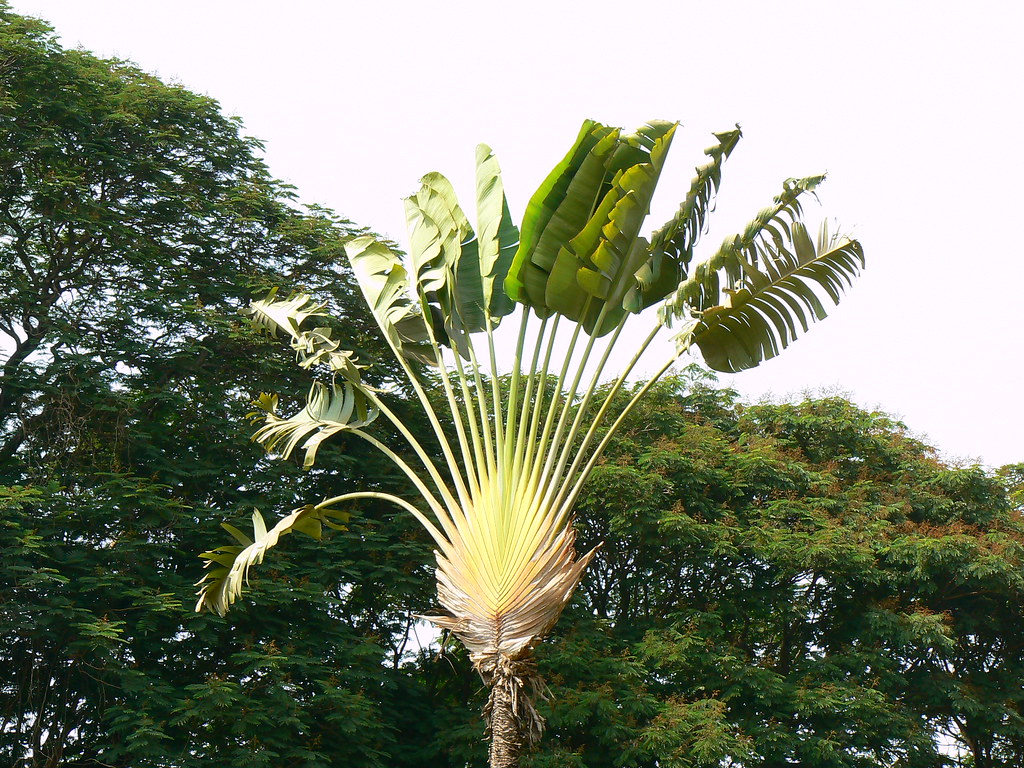
Photo: Traveler’s palm by Dinesh Valke (CC BY-SA 2.0), via Openverse.
Why should you care about this map? What are the real benefits? Let’s look at the evidence.
1. Increased Plant Survival
The most obvious benefit is survival. Plants matched to your zone are more likely to live through winter. Studies in horticulture show that cold-hardy varieties outperform non-hardy ones in colder zones.
If you plant a zone 6 plant in zone 4, it will likely die. If you plant a zone 4 plant in zone 4, it will likely survive. This is simple logic backed by decades of data.
2. Cost Savings
Dead plants are a waste of money. If you buy the wrong plant, you lose your investment. By using the zone map, you avoid this loss. You buy plants that fit your environment. This saves you money in the long run.
You also save money on replacements. You do not have to rebuy plants every year. You build a garden that lasts.
3. Reduced Stress
Gardening should be fun. It should not be a source of anxiety. Knowing your zone reduces uncertainty. You feel more confident in your choices. You know what to expect. This mental benefit is real. It supports a positive gardening experience.
4. Environmental Responsibility
When you choose the right plants, you use fewer resources. You do not need to water or protect plants that are struggling. You do not need to replace them often. This reduces waste. It is better for the planet.
5. Better Biodiversity
Native plants are often zone-specific. By understanding your zone, you can choose native plants. These plants support local wildlife. They provide food and habitat for birds, bees, and butterflies. They are adapted to your soil and climate. They require less maintenance.
Evidence Limitations
It is important to be clear. The zone map is a guideline. It is not a guarantee. Weather is unpredictable. A single cold snap can kill a plant, even if it is zone-appropriate.
The map is based on historical data. Future weather may differ. Climate change is making winters warmer and more erratic. You must adapt. You may need to protect plants even if they are technically zone-appropriate.
The research supports the use of zones. But it does not promise perfect results. You must combine zone knowledge with good gardening practices.
How to Use It
Now that you understand the concept, let’s put it into practice. How do you use the usda plant hardiness zone meaning in your garden?
Step 1: Find Your Zone
First, you need to know your zone. The USDA has an online tool. You can enter your zip code. It will show you your zone.
You can also look at seed packets. They often list the zones where the plant will grow. If your zone is listed, the plant should survive.
Step 2: Check Plant Labels
When you buy a plant, look for the zone rating. It is usually on the tag or label. Look for “Hardy to Zone X.”
If the tag says “Hardy to Zone 5,” and you live in Zone 6, you are safe. If you live in Zone 4, you are at risk.
Step 3: Adjust for Microclimates
Your yard is not uniform. Some spots are colder. Some are warmer.
* Cold spots: North-facing slopes, low-lying areas where cold air settles.
* Warm spots: South-facing walls, sheltered corners, areas near heat sources.
If you are on the edge of a zone, consider these factors. A plant rated for Zone 5 might survive in Zone 4 if it is in a warm microclimate.
Step 4: Plan Your Planting
Use the zone information to plan your garden. Place cold-hardy plants in exposed areas. Place tender plants in protected areas.
You can also use the zone to decide what to grow. If you live in a cold zone, focus on hardy perennials. If you live in a warm zone, you can grow more tropical plants.
Step 5: Monitor and Adapt
Keep an eye on the weather. If a cold snap is coming, protect your plants. Use row covers or mulch. This extra care can save a plant that is slightly out of its zone.
Practical Tips
- Mulch: Add 2-4 inches of mulch around plants. This insulates the roots.
- Windbreaks: Plant shrubs or trees to block cold winds.
- Watering: Water plants before a cold snap. Dry soil cools faster than moist soil.
By following these steps, you use the usda plant hardiness zone meaning effectively. You make informed decisions. You create a resilient garden.
Dosage and How to Use
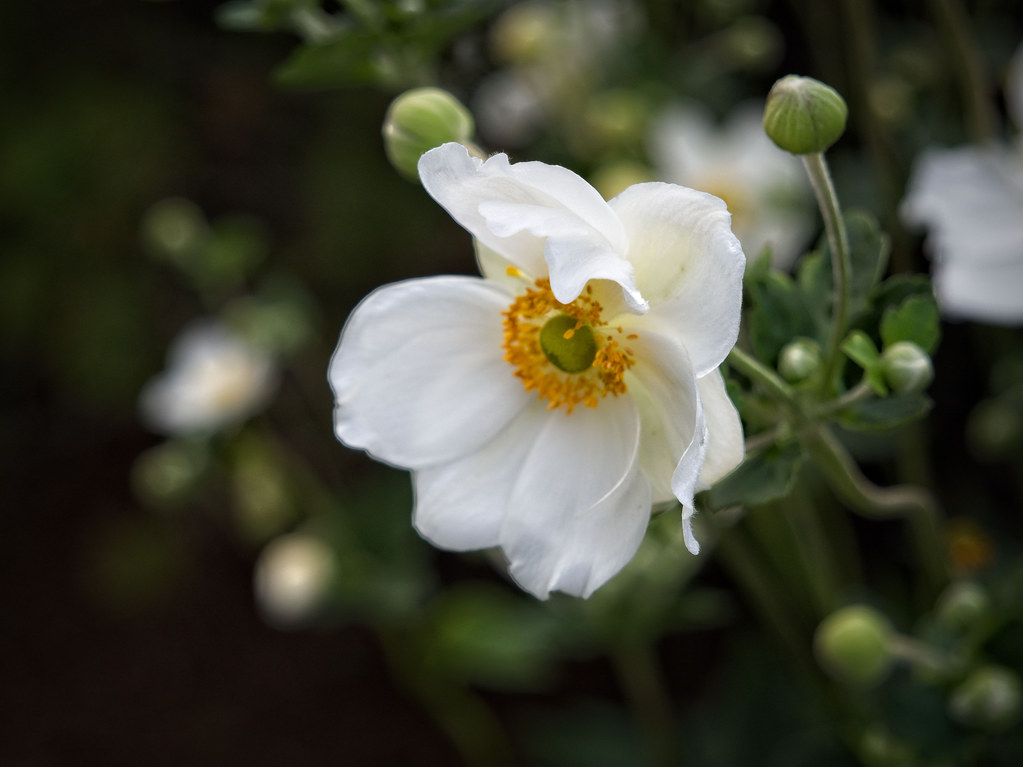
Photo: Anemone x hybrida ‘Honorine Jobert’ WW37 Anemone U2- by F. D. Richards (CC BY-SA 2.0), via Openverse.
This section might seem odd for a gardening topic. But we need to be clear. The “dosage” here is not a pill. It is the level of care you provide.
General Guidance
There is no specific “dose” of zone knowledge. You do not take a supplement. Instead, you apply the information consistently.
How to apply it:
1. Check the zone before buying any plant.
2. Verify the rating on the plant tag.
3. Plan your layout based on hardiness.
4. Protect plants during extreme weather.
Follow the Label
Always follow the instructions on the plant tag. It will tell you the zone rating. It will also tell you light and water needs. Do not ignore this information.
Ask a Professional
If you are unsure, ask a horticulturist. They can give you advice specific to your area. They can tell you what works in your microclimate.
No Drug Doses
This is not a medical treatment. There are no drug doses. Do not confuse gardening tips with medical advice. This guide is for informational purposes only.
Safety First
When using tools or chemicals in your garden, follow safety guidelines. Wear gloves. Use eye protection. Read the label on any product you use.
If you have allergies, be careful. Some plants can cause skin irritation or respiratory issues. Know what plants you are sensitive to.
Consistency is Key
The “dosage” of success is consistency. Check your zone every year. Update your knowledge. Adapt to changing weather patterns.
By following this general guidance, you use the tool safely and effectively. You avoid overcomplicating things. You stick to the basics.
Safety and Side Effects
Gardening is generally safe. But there are risks. Let’s discuss them.
Common “Side Effects”
These are not medical side effects. They are gardening challenges.
* Plant Death: If you ignore the zone, plants may die. This is the most common “side effect.”
* Financial Loss: You may lose money on plants that do not survive.
* Frustration: Repeated failures can lead to frustration.
Who Should Be Cautious
- Allergy Sufferers: Some plants trigger allergies. If you have hay fever, be careful with pollen-heavy plants.
- Skin Sensitivity: Some plants cause contact dermatitis. Poison ivy is a classic example. Even zone-appropriate plants can cause skin reactions.
- Pet Owners: Some plants are toxic to pets. If you have dogs or cats, check the toxicity of every plant you buy.
Possible Interactions
There are no drug interactions for a map. But there are environmental interactions.
* Soil pH: Some plants need acidic soil. Others need alkaline soil. The zone does not tell you about soil. You must test your soil separately.
* Sunlight: The zone does not tell you about sun exposure. A plant may be zone-appropriate but die from too much or too little sun.
Medical Disclaimer
This article is for informational purposes only. It is not medical advice. Do not use gardening practices to treat any medical condition. If you have a health concern, consult a healthcare provider.
Gardening can be therapeutic. It can reduce stress. But it is not a substitute for professional care.
Precautions
- Wear Protection: Use gloves and long sleeves when handling plants.
- Wash Hands: Wash your hands after gardening. This prevents the spread of bacteria.
- Store Tools Safely: Keep tools clean and dry to prevent rust and disease.
By understanding these safety aspects, you can garden with confidence. You minimize risks. You protect your health and your garden.
FAQ
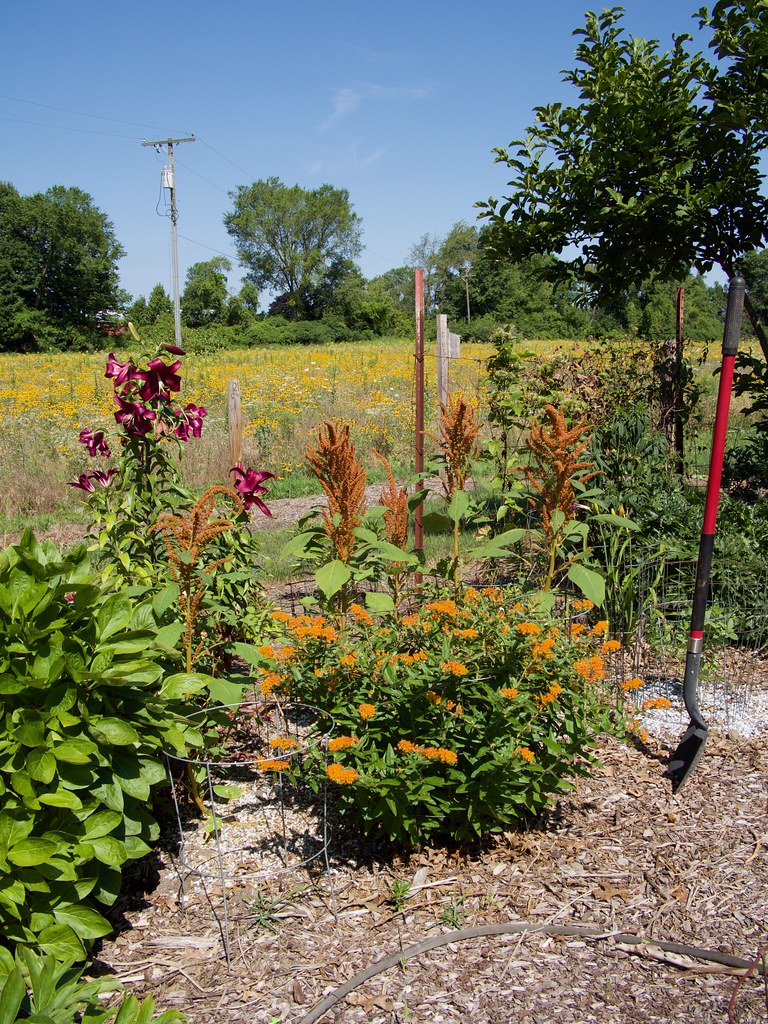
Photo: Asclepias tuberosa (Butterfly Weed) Photo by F.D.Richards, SE Michigan, 7/2020 by F. D. Richards (CC BY-SA 2.0), via Openverse.
Here are answers to common questions about the usda plant hardiness zone meaning.
What is usda plant hardiness zone meaning?
It is a map that shows the average annual extreme minimum temperature in your area. It helps you choose plants that can survive winter. Each zone is a 10-degree range. The letters (a and b) divide the range in half.
How to use usda plant hardiness zone meaning?
First, find your zone using your zip code. Then, check the zone rating on plant tags. Only buy plants that are hardy for your zone or colder. Adjust for microclimates in your yard. Protect plants during extreme cold.
Is usda plant hardiness zone meaning safe?
Yes, it is a safe tool. It is based on scientific data. It helps you make informed decisions. It does not cause harm. It reduces the risk of plant death. It supports a healthy gardening experience.
Do I need to change my plants every year?
No. Perennials, trees, and shrubs can live for many years. They come back every spring. You only need to replace them if they die or grow too large. Annuals die after one season. You replant them every year.
What if I live in a borderline zone?
If you are on the edge of a zone, be cautious. Choose plants rated for the colder zone. Provide extra protection like mulch or row covers. Monitor the weather closely. You may need to bring potted plants inside during cold snaps.
Does the zone change?
Yes, zones can shift over time. Climate change is making winters warmer. The USDA updates the map periodically. Check the latest map every few years. Your zone may have changed since you started gardening.
Can I grow tropical plants in a cold zone?
You can, but only as annuals or in pots that you bring inside. Tropical plants are not hardy. They will die if left outside in the cold. Treat them as houseplants in the winter.
Conclusion
The usda plant hardiness zone meaning is a simple but powerful tool. It helps you choose plants that will survive in your climate. It saves you money and time. It reduces stress.
You now know how to find your zone. You know how to check plant labels. You know how to adjust for microclimates. You understand the safety aspects.
Your Next Step:
Go to the USDA website. Enter your zip code. Find your zone. Write it down. Use this number every time you buy a plant.
Start small. Pick one or two plants that match your zone. Plant them. Watch them grow. Enjoy the process.
Gardening is a journey. It is not about perfection. It is about learning and adapting. Use the zone map as your guide. Trust the data. Trust your instincts. And most importantly, have fun.
Your garden is waiting. Make it a place of beauty and life. Use the right tools. Choose the right plants. And watch your garden thrive.
Remember, this information is for educational purposes. Always follow the label on plant products. If you have health concerns, consult a professional. Safe gardening is happy gardening.
Refund Returns
Privacy Policy
Home 5
Zahrani%C4%8Dn%C3%BD Free Spiny Bez Vkladu.Html