
What the numbers mean
Fertilizer labels show N-P-K: nitrogen, phosphorus, and potassium, as percentages by weight. A 10-10-10 bag contains 10% of each. Nitrogen drives leafy growth, phosphorus supports roots and flowers, and potassium supports overall plant health.
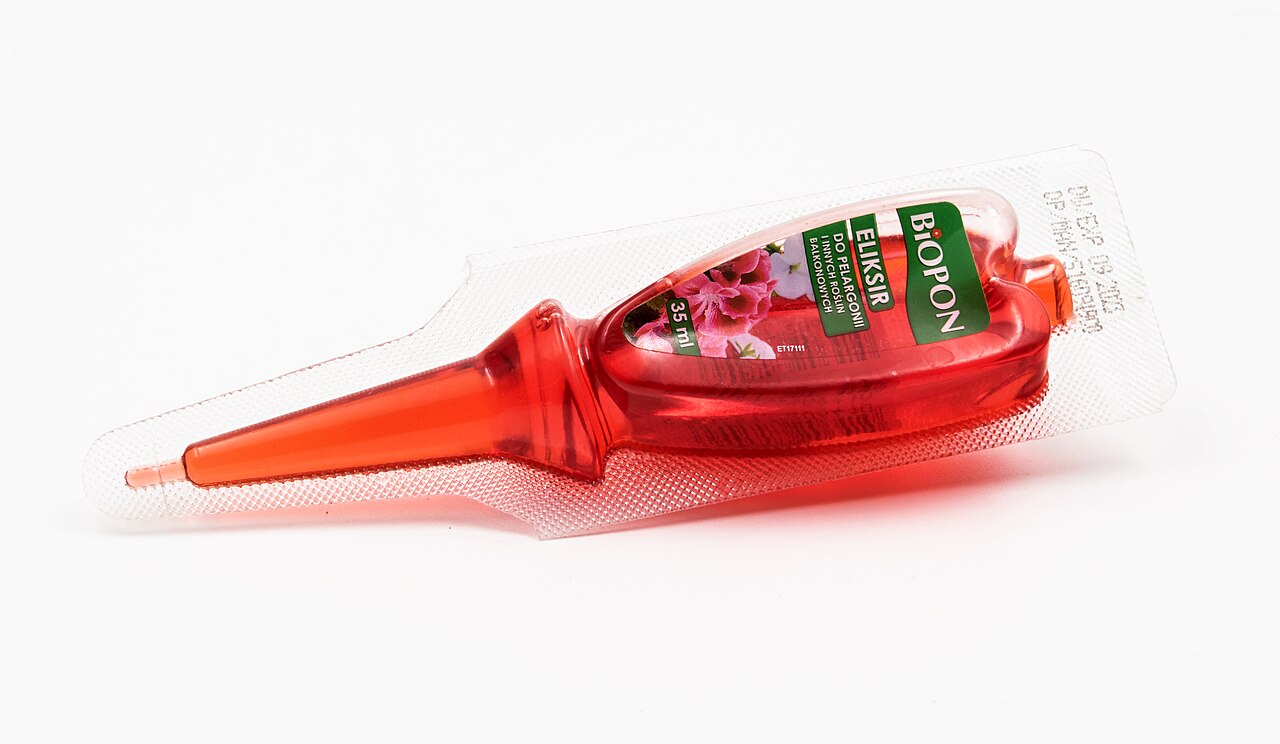
Test before you buy
A soil test from your local cooperative extension office is inexpensive and shows what is missing. Many gardens have plenty of phosphorus and do not need more. Without a test you may overfeed, which can harm plants and waterways.
Match the fertilizer to the crop
- Leafy greens (lettuce, spinach, kale): higher nitrogen.
- Fruiting crops (tomatoes, peppers): balanced feed at planting, then more potassium as fruit forms.
- Root crops (carrots, beets): moderate nitrogen and not too much, which causes forked roots.
Organic vs. synthetic
- Compost: the best all-round option. It feeds soil life and improves structure.
- Organic granular feeds (such as fish or plant-based meals): slower release, less burn risk.
- Synthetic granular or liquid: fast and precise, but easier to overdo. Follow label rates exactly.
When to feed
Work compost or a balanced granular feed into the bed before planting. Side-dress heavy feeders, such as tomatoes and corn, once or twice during the season. Stop feeding about 4-6 weeks before harvest of leafy crops.
Signs of problems
- Yellow older leaves: often nitrogen shortage.
- Lots of leaves, few fruits: too much nitrogen.
- Brown leaf edges: possible salt buildup from overfeeding.
Test first, buy second
A soil test tells you pH and nutrient levels. Many home gardens already have enough phosphorus, so a blanket 10-10-10 application adds what is not needed. Cooperative extension labs usually offer cheap tests. Collect soil from several spots in the bed and mix them before sending a sample.
Reading the label
N feeds leaves, P supports roots and flowers, and K helps overall hardiness. A 10-10-10 bag is balanced, but balanced is not always right. Leafy crops want more N; fruiting crops want less N once flowers appear. Slow-release forms cost more but reduce burn risk.
Timing beats quantity
Work compost into the bed before planting. Side-dress heavy feeders once they are established and again when fruit forms. Stop feeding leafy crops four to six weeks before harvest. Water after every application so nutrients reach roots.
Salt buildup
Brown leaf edges in container plants often mean salts from fertilizer. Flush pots with clear water until it drains freely, then reduce the next dose. Organic mixes need less frequent feeding because compost releases nutrients slowly.
Common questions
Is compost a fertilizer?
It is a soil amendment with modest nutrients. Use it to improve soil, then add fertilizer only where a test shows a need.
What does slow-release mean?
Nutrients become available over weeks rather than all at once. It lowers the chance of burning roots.