
Low light is a real condition, not a vague description. Some plants tolerate it for months, while others need a grow light to stay healthy. This guide separates the two and flags the ones to avoid around pets.
What “low light” really means
Low light is a room with a north-facing window or several feet from any window — enough to read by, but no direct sun. True darkness (windowless rooms) needs a grow light; no plant survives long without some light.
Top picks
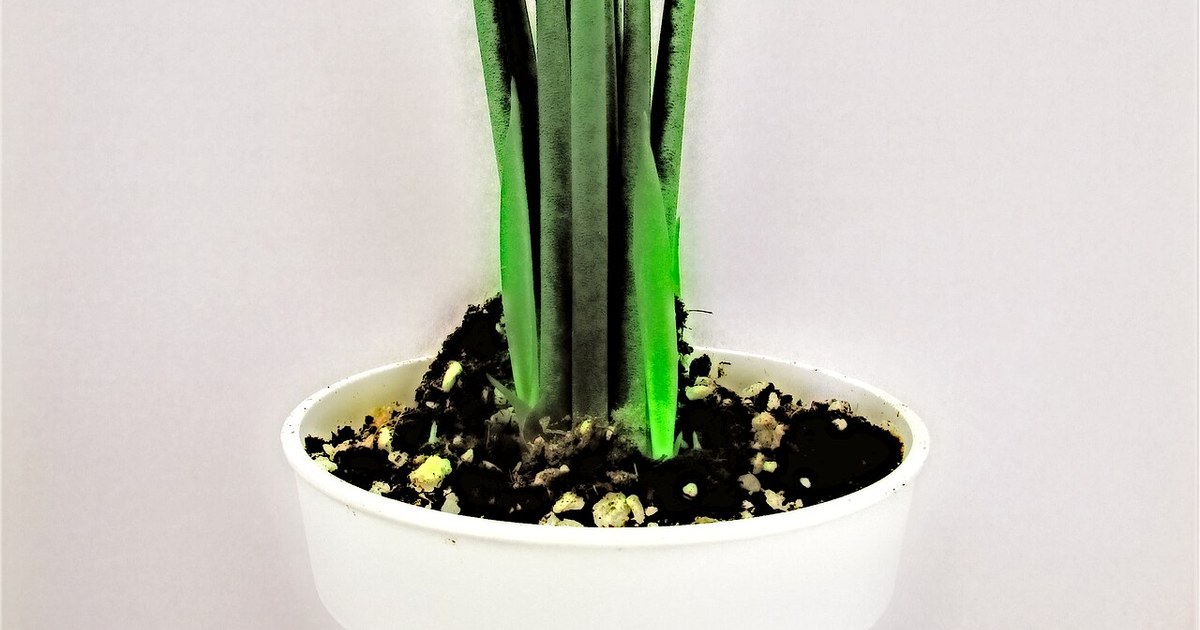
- Snake plant (Sansevieria): nearly indestructible; tolerates neglect and low light.
- ZZ plant (Zamioculcas): glossy leaves, drought-tolerant, very low light.
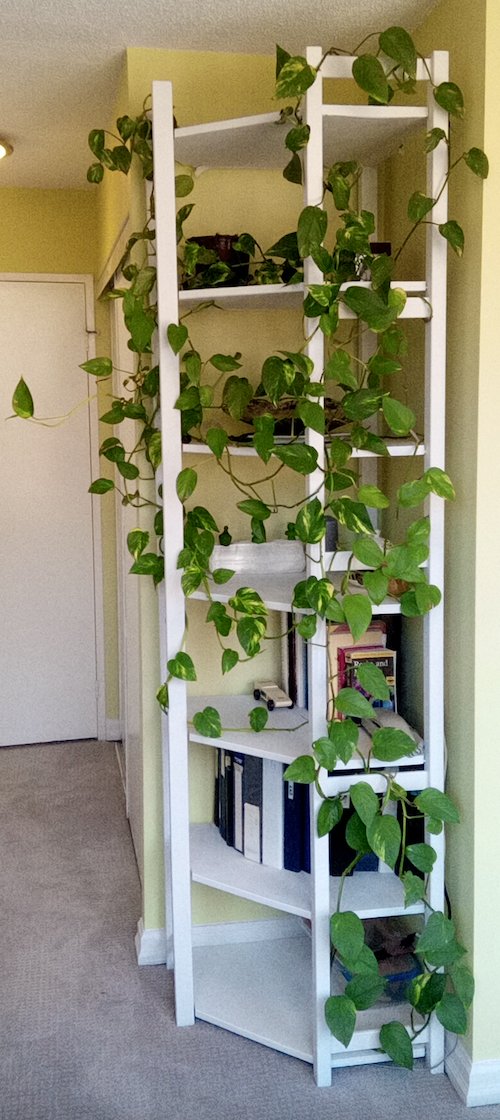
- Pothos: trailing, forgiving, variegation fades in low light but plant survives.
- Cast iron plant (Aspidistra): slow but extremely tough.
- Peace lily: tolerates low light; tells you when thirsty by drooping.
- Chinese evergreen (Aglaonema): colorful foliage even in shade.
Care in low light
- Water less: low light means slow growth and slow water use. Overwatering kills more than low light.
- Skip fertilizer or use half-strength monthly in growing season.
- Dust leaves so they can absorb light.
- Rotate quarterly for even growth.
When to add a grow light
If plants stretch, pale, or stop growing, light is too low. A small LED grow light on a timer for 10-12 hours fixes most issues.
Common mistakes
- Overwatering in dim rooms.
- Expecting fast growth.
- Buying variegated plants for dark corners (they revert).
Field notes and finer details
Know what low light actually is
Low light means you can read comfortably near the plant without a lamp, but direct sun never reaches the leaves. A north window fits this description. A spot three feet from a south window is bright indirect light, not low light. Truly dark rooms need a grow light; no houseplant survives long without light.
Tolerate is not the same as thrive
Snake plants and ZZ plants handle dim corners for months. Pothos survives but grows slowly and loses variegation. Flowering plants such as peace lily may live in low light yet bloom poorly. If you want flowers, give them a few hours of bright indirect light or a small LED.
Check toxicity before you buy
Pothos, ZZ plant, and peace lily are toxic if chewed. Snake plant can cause stomach upset. If pets or children share the room, choose parlor palm, calathea, or Boston fern instead.
Signs the light is too low
New growth is pale and stretched, stems are long with wide gaps between leaves, and variegated varieties turn green. Move the plant closer to the window gradually. A sudden move into strong sun can scorch leaves that grew in shade.
What low light means in a room
A north-facing window, a shaded courtyard, or a spot several feet from a bright window all count as low light. The measure is intensity at the plant, not the size of the glass. A room with large south windows can still have a dim corner where a plant survives but does not grow. If you can read comfortably there all day without switching on a lamp, a low-light plant will manage.
Low light is not the same as no light. A plant in a closed cupboard will decline within weeks. The plants in this guide tolerate dim conditions by growing slowly; they do not thrive in darkness. Rotate each pot a quarter turn every week so one side does not stretch toward the window.
The tough group
Snake plants, ZZ plants, pothos, and cast iron plants handle a north window or an office with artificial light. They grow slowly under those conditions, often producing only a few new leaves a year. Watering is the main risk: a plant in low light uses very little water, so a pot that was soaked last month may still be damp. Check the soil two inches down before adding more.
Peace lilies tolerate shade but flower best in brighter indirect light. Spider plants do well in a bright room and survive a dim one, though the variegated types lose some colour. These plants are a good choice for a first apartment where the light is uncertain.
Plants that need a grow light
Fiddle leaf figs, monsteras, and most palms will slowly lose their lower leaves in a genuinely dim room. They are not low-light plants; they are often sold as such because they survive a shop display for a few weeks. If you want one of these, plan on a full-spectrum LED near the plant for 10 to 12 hours a day.
Pet safety
Pothos, dieffenbachia, and peace lilies contain compounds that irritate the mouths and stomachs of cats and dogs. ZZ plants and snake plants are also a problem if chewed. Keep them out of reach or choose parlor palms, spider plants, or calatheas instead. If a pet chews a leaf, remove the plant material and call a vet if drooling or vomiting continues.
Care schedule for dim rooms
Water every two to four weeks in winter and a little more often in summer, always after checking the soil. Feed once in spring and once in summer at half strength. Wipe dust from broad leaves with a damp cloth, since dust cuts the little light reaching the leaf. Repot only when roots fill the pot; a plant in low light grows slowly and rarely needs a larger home.
Working with artificial light
An ordinary ceiling light does little for a plant across a room. A desk lamp placed 12 inches above a plant is more useful, but the light must be bright and directed downward. A full-spectrum LED grow bulb in a simple fixture gives the best result in a dim room. Run it on a timer for 10 to 12 hours a day.
Watch the plant rather than the bulb. Compact growth and new leaves of normal size mean the light is adequate. Long gaps between leaves, small new growth, and a lean toward the source mean it is not. Increase the intensity or move the lamp closer gradually, since a sudden increase can scorch leaves that developed in shade.
Furnishing a dim room
Use plants with different heights and leaf shapes so the group still looks full while growing slowly. A snake plant gives upright structure, a pothos trails from a shelf, and a ZZ plant fills a floor pot. Three plants in one bright corner usually do better than six scattered around the room.
If a plant fails twice in the same position, accept that the spot is too dark and move it rather than changing the watering repeatedly. Most indoor plant deaths in low light come from giving a struggling plant more water while the real problem is a lack of energy to use it.
Cleaning and monitoring
Dust blocks a meaningful share of the light reaching a leaf. Wipe broad leaves with a damp cloth once a month and remove any yellow leaves. Check the undersides for spider mites in warm, dry rooms; they leave fine webbing and tiny pale dots. A rinse with water usually handles a small infestation.
Keep a simple note of when you last watered each plant. In a dim room, intervals are long and easy to lose track of. A plant that has not been watered for a month may be fine, but one watered every week almost certainly is not.
Common questions
Do low-light plants need fertilizer?
Very little. Feed at half strength once a month in spring and summer, and skip it in winter.
How many hours of grow light?
Ten to twelve hours a day is enough for most low-light plants. An LED on a timer is simplest.