
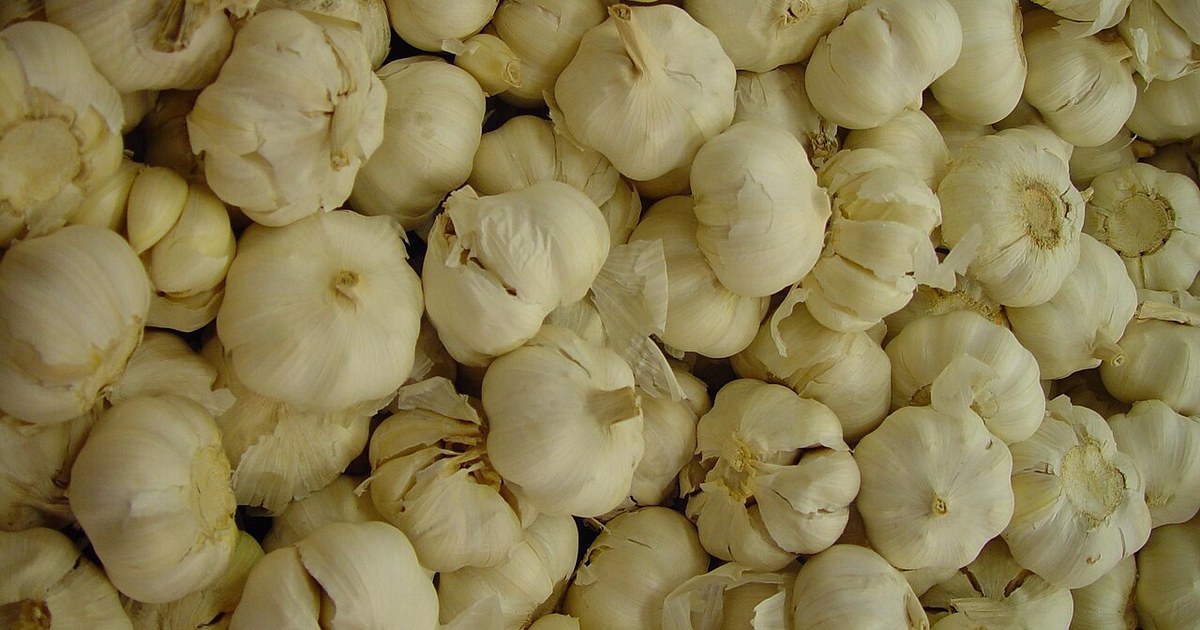
Garlic grows well in a pot and takes up little space for most of the year. With a deep container and a cold period, you can harvest full bulbs from a balcony.
Hardneck or softneck
Hardneck varieties produce a flower stalk called a scape and are better suited to cold winters. They have fewer but larger cloves and a stronger flavour. Softneck varieties store longer and grow better in mild regions. For containers, hardneck types are often easier because their size is predictable and they are less prone to rot in a pot.
Buy seed garlic from a supplier rather than the supermarket. Commercial bulbs are often treated to prevent sprouting and may carry disease. Choose a variety suited to your climate, and plant the largest cloves for the biggest bulbs.
Container size and soil
A single garlic plant needs a pot at least 8 inches deep and 6 inches wide. A larger container holds more plants and dries out less quickly. A window box 10 inches deep and 12 inches wide holds 4 to 6 cloves. Every pot must have drainage holes.
Use a free-draining potting mix with about 20 percent compost added. Garlic dislikes waterlogged soil, which causes the cloves to rot. Add a handful of slow-release fertilizer to the mix before planting. A little perlite improves drainage if the mix feels heavy.
Planting
Plant in autumn, two to four weeks before the first hard freeze. Break the bulb into individual cloves shortly before planting, keeping the papery skin on each one. Plant cloves point up, 2 to 3 inches deep, measured from the base of the clove. Space them 4 to 6 inches apart.
Water well after planting and mulch with 2 to 3 inches of straw or shredded leaves once the ground begins to freeze. The mulch prevents heaving, which pulls roots out of the soil as temperatures rise and fall. In mild regions with heavy rain, use a lighter mulch so the bed does not stay soaked.
Winter and spring care
In spring, remove the mulch if it is compacted, but leave a thin layer to hold moisture. Garlic needs little fertilizer; a side-dressing of compost or a balanced feed in early spring is enough. Water about an inch a week during active growth, and stop watering once the leaves begin to yellow.
Hardneck varieties send up a scape in late spring. Cut it off when it has curled once, so the plant puts that energy into the bulb. The scape is edible and can be used like a mild garlic flavour in cooking.
Common problems
Yellow leaves in spring can mean waterlogging or a nutrient shortage. Check the soil moisture before adding fertilizer. Rust shows as orange spots on leaves and is worse in humid conditions; improve airflow and avoid overhead watering. If the plant fails to form a bulb, the cause is usually insufficient cold or planting too late.
Harvesting and storage
Harvest when the lower leaves have turned brown but a few upper leaves are still green, usually midsummer. Dig with a fork rather than pulling, which breaks the stems. Cure bulbs in a dry, airy, shaded place for two to three weeks. Trim the roots and cut the stalk an inch above the bulb once dry. Store in a cool, dry, well-ventilated place.
Field notes and finer details
Hardneck or softneck
Hardneck varieties produce a scape and suit cold winters. Softneck varieties store longer and suit mild regions. Buy seed garlic from a supplier, not the supermarket.
Planting and hilling
Plant in autumn, two to four weeks before the first hard freeze. Plant cloves point up, 2 to 3 inches deep, 4 to 6 inches apart. Mulch after the ground begins to freeze.
Harvest and storage
Harvest when the lower leaves are brown but a few upper leaves are green. Cure in a dry, airy place for two to three weeks. Store in a cool, dry, well-ventilated place.
Container care through the season
Keep the soil evenly moist during spring growth, but reduce watering as the leaves yellow. Garlic is sensitive to waterlogging, so ensure drainage holes stay clear. A mulch of straw holds moisture and suppresses weeds.
If the plant sends up a flower stalk, cut it when it curls. Use the scape in cooking. At harvest, dig carefully to avoid damaging the bulbs. Cure them in a dry, airy place before storing.
Variety selection and climate
Hardneck varieties produce a flower stalk called a scape and are better suited to cold winters. They have fewer but larger cloves and a stronger flavour. Softneck varieties store longer and grow better in mild regions. For containers, hardneck types are often easier because their size is predictable.
Buy seed garlic from a supplier rather than the supermarket. Commercial bulbs are often treated to prevent sprouting and may carry disease. Choose a variety suited to your climate, and plant the largest cloves for the biggest bulbs.
Water well after planting and mulch with 2 to 3 inches of straw or shredded leaves once the ground begins to freeze. The mulch prevents heaving, which pulls roots out of the soil as temperatures rise and fall.
Common problems
Yellow leaves in spring can mean waterlogging or a nutrient shortage. Check the soil moisture before adding fertilizer. Rust shows as orange spots on leaves and is worse in humid conditions; improve airflow and avoid overhead watering.
If the plant fails to form a bulb, the cause is usually insufficient cold or planting too late. Ensure the cloves get a proper cold period and are planted at the right time.
Common questions
Can I grow garlic in a small pot?
A pot at least 8 inches deep and 6 inches wide holds one plant.
When should I plant garlic in a container?
In autumn, two to four weeks before the first hard freeze.
Why did my garlic not form bulbs?
Usually insufficient cold or planting too late.