
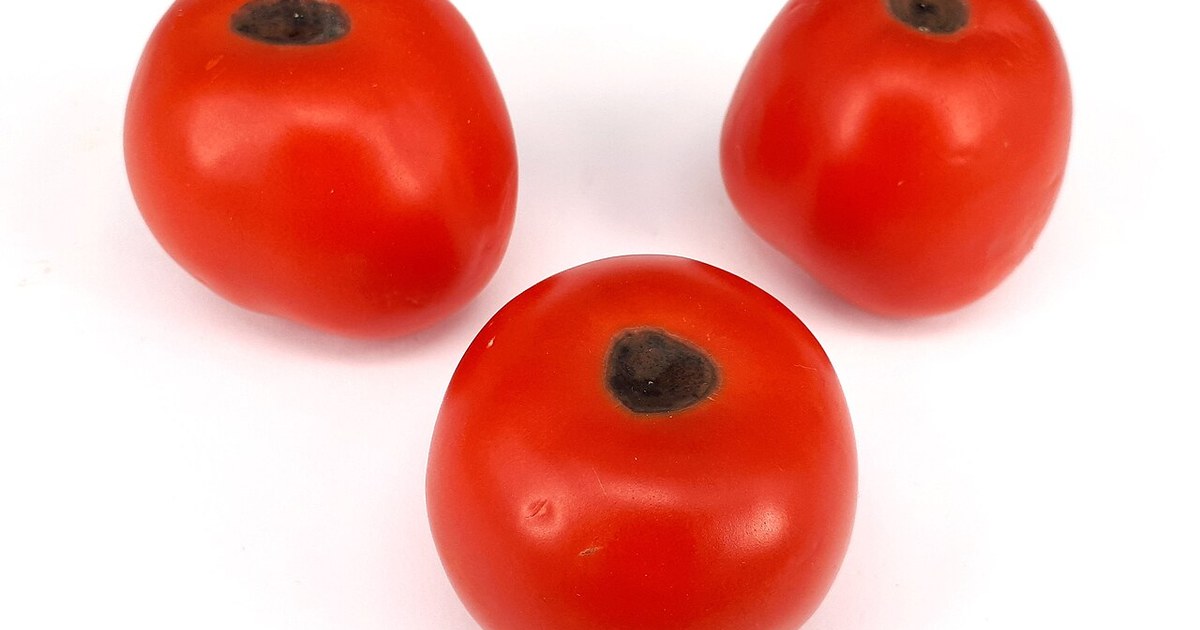
Blossom end rot is not a disease but a physiological disorder caused by uneven watering and low calcium uptake. It is preventable.
What blossom end rot looks like
The first sign is a small, water-soaked spot on the blossom end of the fruit, opposite the stem. It enlarges and turns dark brown or black, becoming flat and leathery. The fruit may ripen early and rot. The damage is cosmetic at first but spreads into the fruit if conditions continue.
Blossom end rot can affect tomatoes, peppers, squash, and aubergines. It usually appears on the first fruits of the season, when the plant is growing rapidly and its water use is highest.
The real cause
The disorder is caused by a lack of calcium reaching the developing fruit. Calcium is needed for cell wall formation, and when it is in short supply the cells at the blossom end break down. The soil usually contains enough calcium; the problem is that the plant cannot take it up.
The main reason is uneven watering. Calcium moves with water through the plant. When the soil dries and then is suddenly flooded, the plant cannot maintain a steady supply to the fruit. Rapid growth, high temperatures, and root damage also reduce uptake.
Prevention through watering
Consistent moisture is the single most effective prevention. Water deeply and regularly rather than little and often. In a garden bed, aim for about an inch of water a week, more in hot weather. In containers, check the soil daily and water before it dries out completely.
Mulch around the plants with 2 to 3 inches of straw or shredded leaves. Mulch keeps the soil moisture steady and reduces the temperature swings that stress the roots. Avoid overhead watering, which can splash soil onto leaves and spread disease.
Soil preparation
Test the soil pH before planting. Tomatoes take up calcium best when the pH is between 6.2 and 6.8. If the pH is too low, add lime several weeks before planting. If it is too high, calcium may be present but unavailable; sulfur can lower the pH.
Add compost to the bed, which improves water retention and supplies trace nutrients. Do not add too much nitrogen, since rapid vegetative growth outpaces the plant’s ability to supply calcium to the fruit. A balanced fertilizer applied at planting and again when fruit sets is enough.
Container-specific advice
Container tomatoes are more prone to blossom end rot because pots dry out quickly. Use a pot of at least 5 gallons and a quality potting mix with good water retention. Water every day in hot weather, sometimes twice a day for large plants. A self-watering container or a drip system on a timer reduces the risk.
Do not let containers sit in water, since waterlogged roots cannot take up calcium either. Empty saucers after watering and ensure drainage holes are clear.
What to do once it appears
Remove affected fruit so the plant redirects energy to new growth. Adjust your watering to be more consistent. A foliar spray of calcium chloride can help prevent further fruit from developing the disorder, but it does not cure fruit that is already affected. Follow the label rate and apply in the cool of the evening.
Do not panic if only the first few fruits are affected. As the plant matures and its root system develops, uptake usually improves and later fruit is often clean. Keep watering steady through the season.
Choosing resistant varieties
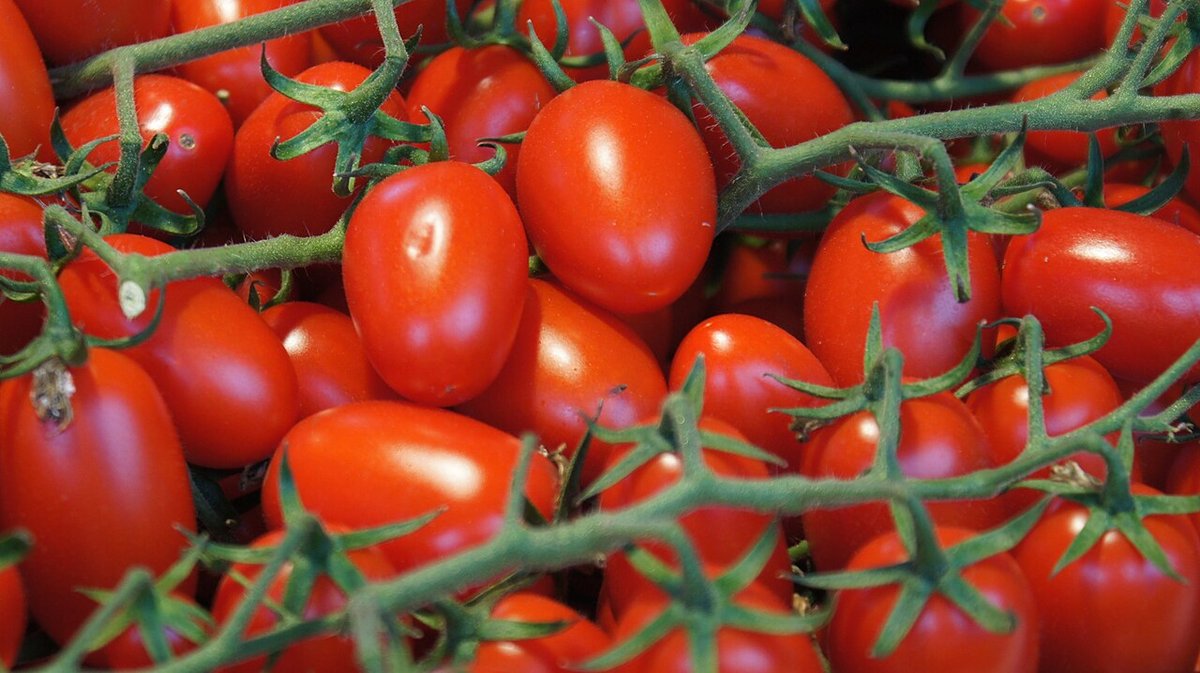
Some varieties are more susceptible than others. Large-fruited varieties such as ‘Beefsteak’ and ‘Brandywine’ are more prone than cherry or plum types. If blossom end rot is a recurring problem, choose smaller-fruited varieties and focus on watering. Grafted tomatoes, with a vigorous rootstock, can also improve calcium uptake in difficult conditions.
Field notes and finer details
The real cause
Blossom end rot is caused by a lack of calcium reaching the fruit, usually because of uneven watering. The soil typically contains enough calcium.
Prevention
Water consistently, mulch around the plants, and test the soil pH. In containers, water daily in hot weather and avoid waterlogging.
What to do once it appears
Remove affected fruit, adjust watering, and consider a foliar calcium spray. Later fruit is often clean as the plant matures.
Container-specific advice
Container tomatoes are more prone to blossom end rot because pots dry out quickly. Use a pot of at least 5 gallons and a quality potting mix. Water every day in hot weather, sometimes twice a day for large plants. A self-watering container or a drip system on a timer reduces the risk.
Do not let containers sit in water, since waterlogged roots cannot take up calcium either. Empty saucers after watering and ensure drainage holes are clear.
Choosing resistant varieties
Some varieties are more susceptible than others. Large-fruited varieties such as ‘Beefsteak’ and ‘Brandywine’ are more prone than cherry or plum types. If blossom end rot is a recurring problem, choose smaller-fruited varieties and focus on watering.
Grafted tomatoes, with a vigorous rootstock, can also improve calcium uptake in difficult conditions. Whatever the variety, consistent moisture remains the most reliable prevention.
Feeding and soil pH
Test the soil pH before planting and aim for 6.2 to 6.8. Add compost to improve water retention and supply trace nutrients. Avoid excess nitrogen, which produces rapid leaf growth that outpaces calcium uptake. A balanced fertilizer at planting and again at fruit set is usually enough.
Water consistently through the season, especially during fruit set. Mulch around the plants to keep soil moisture steady. Remove affected fruit promptly so the plant redirects energy to healthy new growth.
Common questions
Is blossom end rot a disease?
No, it is a physiological disorder caused by uneven watering and low calcium uptake.
Will adding calcium to the soil fix it?
Only if the soil is actually deficient. Usually the problem is water uptake, not soil calcium.
Does it affect other vegetables?
Yes, peppers, squash, and aubergines can also develop it.