
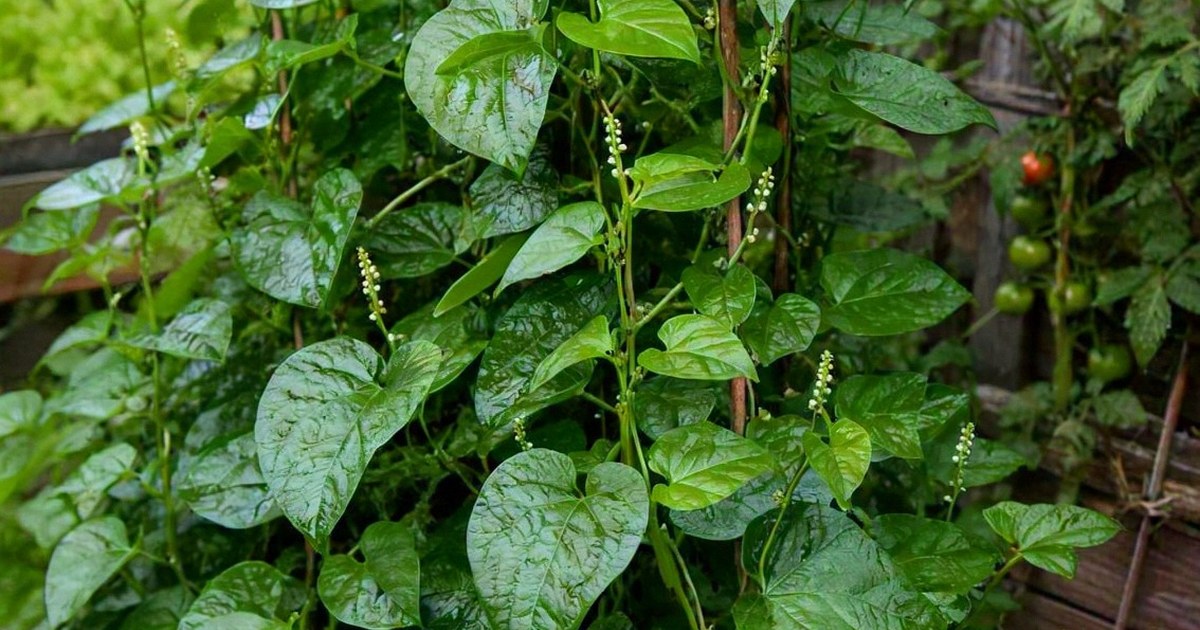
Spinach is one of the easiest leafy greens for a pot. It grows fast, tolerates cool weather, and can be harvested over several weeks.
Why spinach suits containers
Spinach has a shallow root system and does not need a large pot. A container 8 to 10 inches deep is enough. It grows quickly from seed, often ready to harvest in 4 to 6 weeks, and it tolerates cool weather that would slow most vegetables. In a pot you can move it into shade during a heatwave or into a cold frame for winter.
A single sowing gives several harvests if you pick outer leaves rather than cutting the whole plant. Sow a new pot every two to three weeks for a continuous supply.
Choosing a container and soil
Any pot with drainage holes works. A window box 8 inches deep and at least 8 inches wide holds a useful row. Terracotta dries quickly but breathes; plastic holds moisture longer. Dark pots heat up in summer and can stress the roots, so use a light-coloured pot or place it out of direct afternoon sun.
Use a standard potting mix with about 20 percent compost added. Spinach likes a pH between 6.0 and 7.5 and needs steady moisture and moderate nutrients. Avoid heavy garden soil, which compacts and holds too much water.
Sowing and thinning
Sow seed a quarter to half an inch deep, spacing seeds about 2 inches apart. Cover lightly and water gently so the seed is not washed away. Germination takes 5 to 10 days in cool soil; in warm soil it can be slower and less even.
Thin seedlings to 3 to 4 inches apart once they have two true leaves. Crowded plants bolt faster and produce smaller leaves. Snip unwanted seedlings at soil level rather than pulling them, which disturbs the roots of the ones you keep.
Light, water, and feeding
Spinach needs 4 to 6 hours of sun. In hot weather it prefers morning sun and afternoon shade. Full sun in summer causes it to bolt and turn bitter. In spring and autumn it tolerates full sun.
Keep the soil evenly moist. Spinach wilts quickly in a dry pot and recovers slowly. Water when the top half inch feels dry, and water at the base to keep leaves clean. Feed every two weeks with a balanced liquid fertilizer at half strength; too much nitrogen produces soft leaves that attract aphids.
Managing heat and bolting
Bolting is triggered by long days and warm temperatures, not by age alone. Once the centre shoot starts to rise, the leaves turn bitter and the plant goes to seed. Pick outer leaves regularly to delay bolting. Move the pot into shade during a heatwave, and choose heat-tolerant varieties such as ‘Bloomsdale’ or ‘Tyee’ for summer sowing.
In very hot regions, treat spinach as a spring and autumn crop. Sow in late summer for an autumn harvest, and again in late winter under cover for an early spring crop.
Winter growing
Spinach is cold-hardy and can survive light frosts. In a mild winter it grows slowly in an unheated cold frame or under a cloche. Water less in winter, since growth is slow and evaporation is low. A pot in a sheltered spot against a south-facing wall can produce leaves through winter in many regions.
Pests and diseases
Aphids cluster on the undersides of leaves and in the centre of the plant. Rinse them off with water early in the day. Downy mildew shows as yellow patches on the upper surface and a grey fuzz underneath; choose resistant varieties and water at soil level. Slugs eat young seedlings; check under the pot rim and remove hiding places.
Harvesting
Begin harvesting when leaves are 3 to 4 inches long. Cut outer leaves with scissors, leaving the centre to grow. A plant can be harvested several times over three to four weeks. For a whole-plant harvest, cut at soil level and sow a new pot. Wash leaves only when you are ready to eat them, since wet spinach stores poorly.
Field notes and finer details
Sowing and thinning
Sow seed a quarter to half an inch deep, 2 inches apart. Thin to 3 to 4 inches once seedlings have two true leaves. Snip unwanted seedlings at soil level.
Heat and bolting
Bolting is triggered by long days and warm temperatures. Move the pot into shade during a heatwave and choose heat-tolerant varieties for summer sowing.
Winter growing
Spinach survives light frosts and can produce through winter in a cold frame or sheltered spot. Water less in winter.
Extending the season
In very hot regions, treat spinach as a spring and autumn crop. Sow in late summer for an autumn harvest, and again in late winter under cover for an early spring crop. A pot in a sheltered spot against a south-facing wall can produce leaves through winter in many regions.
Check for aphids and downy mildew regularly, and remove affected leaves promptly. Wash leaves only when you are ready to eat them, since wet spinach stores poorly.
Harvesting and storage
Begin harvesting when leaves are 3 to 4 inches long. Cut outer leaves with scissors, leaving the centre to grow. A plant can be harvested several times over three to four weeks. For a whole-plant harvest, cut at soil level and sow a new pot.
Wash leaves only when you are ready to eat them, since wet spinach stores poorly. Keep harvested leaves in a perforated bag in the refrigerator and use within a few days.
Common questions
How deep a pot does spinach need?
8 to 10 inches is enough, since spinach has shallow roots.
Can spinach grow in full sun?
In spring and autumn yes; in summer it prefers afternoon shade.
How long until spinach is ready to harvest?
4 to 6 weeks from sowing.