
Mint is one of the easiest herbs to grow indoors, but also one of the most aggressive. In a pot, with the right light and pruning, it stays productive.
Why mint needs its own pot
Mint spreads by underground runners and will take over any container it shares. Its roots are vigorous and can crowd out slower herbs. Always give mint its own pot, and keep it away from other plants in the same bed. Even a pot with drainage holes is not a complete barrier if runners escape through the holes.
A single mint plant in a 6 to 8 inch pot is enough for most kitchens. If you want several varieties, such as peppermint, spearmint, and chocolate mint, give each its own pot.
Light and temperature
Mint needs at least 4 to 6 hours of bright light. A south or west window is ideal. It tolerates less light than basil but becomes leggy and weak in a dim corner. If the only available spot is shady, use a grow light for 12 to 14 hours a day, placed 6 to 12 inches above the plant.
Mint prefers cool to moderate temperatures, around 60 to 70°F (15-21°C). It dislikes hot, dry rooms. Keep it away from radiators and the top of a refrigerator. Good air circulation reduces the risk of powdery mildew and rust.
Soil and watering
Use a standard potting mix with good drainage. Mint likes moisture but not waterlogging. Water when the top inch of soil feels dry, and water thoroughly until it drains. Empty the saucer after watering. In a warm room, a pot may need water every two or three days; in a cool room, once a week is enough.
Feed lightly. A dose of balanced liquid fertilizer at half strength every four to six weeks during active growth is plenty. Overfeeding produces soft, flavourless leaves. Do not feed in winter if the plant is growing slowly.
Pruning for bushy growth
Pinch the tips regularly to encourage branching. Cut stems just above a pair of leaves, and two new shoots will form at that point. Never harvest more than a third of the plant at once. Regular picking keeps the plant compact and prevents it from flowering, which makes the leaves bitter.
If the plant becomes leggy, cut it back hard to about 2 inches above the soil. It will resprout within a couple of weeks. This is also a good way to rejuvenate a tired plant at the start of the growing season.
Propagation
Mint roots easily from cuttings. Take a 4 inch stem, remove the lower leaves, and place it in a glass of water. Roots appear in one to two weeks. Pot the cutting in fresh mix once the roots are an inch long. You can also divide an established plant by lifting it and splitting the root ball.
Replace a mint plant every two or three years, since older plants become woody and less productive. Start a new plant from a cutting before discarding the old one.
Pests and problems
Aphids cluster on new growth and can be rinsed off with water. Spider mites appear in dry, warm rooms and leave fine webbing on the undersides of leaves. Increase humidity by misting or grouping plants. Rust shows as orange spots on the undersides of leaves; remove affected leaves and improve air flow. Powdery mildew is common in still, humid conditions; water at soil level and thin the plant.
Harvesting and using mint
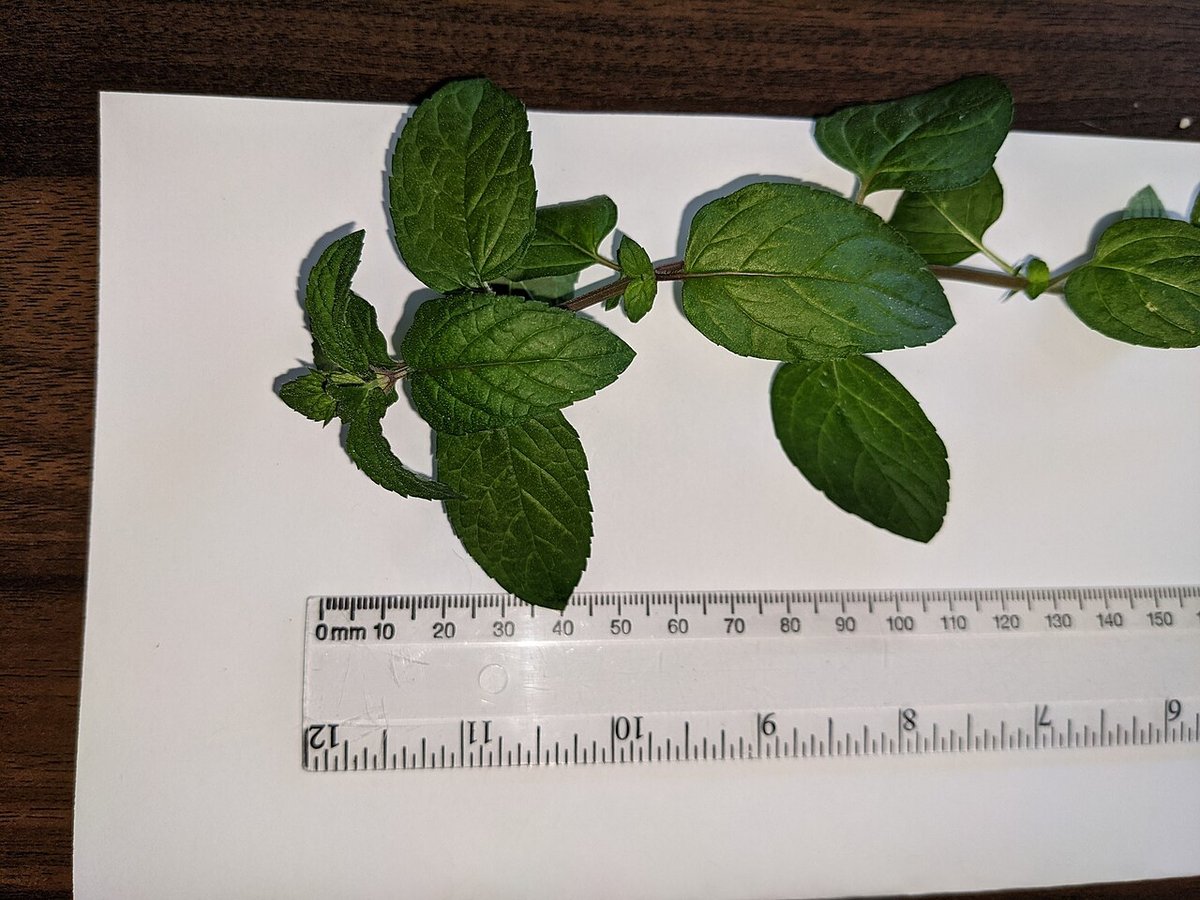
Harvest in the morning after the dew has dried, when the oils are strongest. Use fresh leaves in drinks, salads, and sauces. To dry mint, hang small bunches in a dark, airy room and store the leaves in an airtight jar. Mint also freezes well: chop the leaves and freeze them in ice cube trays with water or oil.
Field notes and finer details
Why mint needs its own pot
Mint spreads by underground runners and will take over any container it shares. Always give it its own pot and keep it away from other plants.
Light and pruning
Mint needs 4 to 6 hours of bright light and prefers cool temperatures. Pinch tips regularly to keep it bushy and prevent flowering.
Propagation
Mint roots easily from cuttings in water. Replace plants every two or three years, since older plants become woody.
Harvesting and using mint
Harvest in the morning after the dew has dried, when the oils are strongest. Use fresh leaves in drinks, salads, and sauces. To dry mint, hang small bunches in a dark, airy room and store the leaves in an airtight jar. Mint also freezes well: chop the leaves and freeze them in ice cube trays with water or oil.
Replace a mint plant every two or three years, since older plants become woody and less productive. Start a new plant from a cutting before discarding the old one.
Pests and problems
Aphids cluster on new growth and can be rinsed off with water. Spider mites appear in dry, warm rooms and leave fine webbing on the undersides of leaves. Increase humidity by misting or grouping plants. Rust shows as orange spots on the undersides of leaves; remove affected leaves and improve air flow.
Powdery mildew is common in still, humid conditions. Water at soil level and thin the plant to improve air circulation. Remove any badly affected stems.
Propagation and renewal
Mint roots easily from cuttings in water. Take a 4 inch stem, remove the lower leaves, and place it in a glass. Roots appear in one to two weeks. Pot the cutting once roots are an inch long. Replace a mint plant every two or three years, since older plants become woody and less productive.
Common questions
Can mint grow in low light?
It survives but becomes leggy. Give it at least 4 hours of bright light.
Why is my mint leggy?
Too little light or not enough pruning. Cut it back and move it to a brighter spot.
How often should I water mint?
When the top inch of soil is dry, usually every two or three days in a warm room.