
The essential five
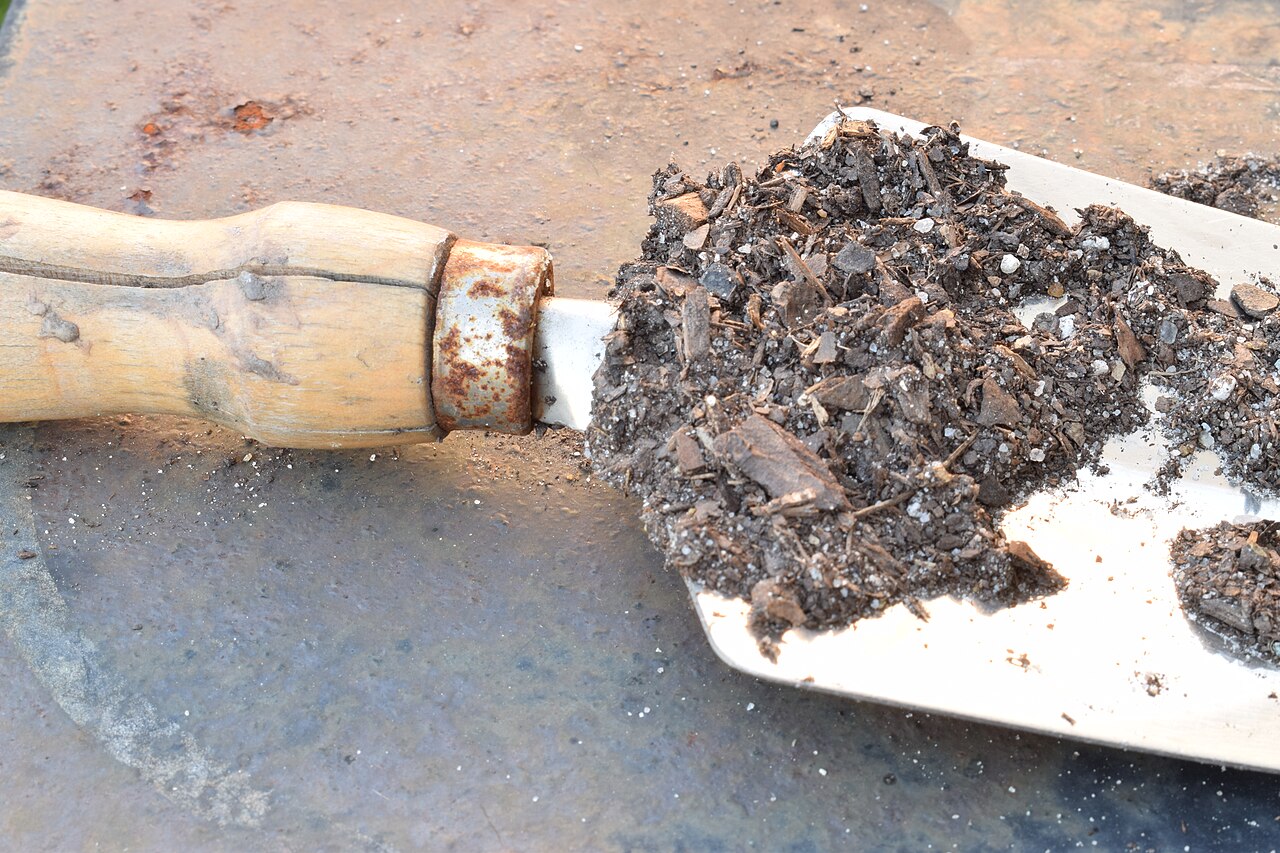
- Hand trowel: for planting, transplanting, and digging small holes. Look for a one-piece forged blade.
- Pruning shears (bypass): clean cuts on live wood. Bypass, not anvil, for plants.
- Garden fork or hand cultivator: loosens soil and removes weeds.
- Watering can or hose with nozzle: gentle, controlled watering.
- Gloves: protect hands; choose breathable with grip.
Nice to have (add later)
- Long-handled spade and rake.
- Wheelbarrow or garden cart.
- Soil knife (hori-hori).
- Kneeler or garden pad.
What to skip
Gimmicky single-use tools, cheap multi-tools, and anything with plastic handles that flex. Buy fewer, better tools.
How to choose quality
- Forged steel blades beat stamped.
- Full-tang or one-piece construction.
- Replaceable parts and a warranty.
- Comfortable grip that fits your hand.
Maintenance
- Clean after use; dry before storing.
- Oil blades lightly to prevent rust.
- Sharpen pruners and spades seasonally.
- Store dry and off the ground.
As an Amazon Associate we earn from qualifying purchases. Check current prices before buying.
Build the kit around the jobs you actually do
A hand trowel, bypass pruners, and a hori-hori knife cover planting, cutting, and digging in a small garden. Add a long-handled shovel and rake only when you start moving soil or leaves in quantity. A hoe or cultivator earns its place once weeds become a regular job. Gloves, a bucket, and plant labels cost little and get used every visit.
What to check in the store
Forged steel blades hold an edge better than stamped metal. Look for a full tang, where the blade runs through the handle. Grips should fit your hand without slipping when wet. Left-handed gardeners should try bypass pruners before buying; some models are awkward in the other hand.
Care that actually extends life
Knock soil off tools before storing them. Wipe sap from pruner blades with alcohol. Sharpen once a season with a file or sharpening stone. Oil metal parts lightly before winter storage. Replace pruner blades when they crush stems instead of cutting them.
Tools worth adding later
A wheelbarrow saves many trips once beds are established. A broadfork loosens compacted soil without inverting it. A kneeling pad reduces strain during long weeding sessions. Buy these after the basics, not before.
Common questions
Do I need an anvil pruner?
Not for live plants. Anvil pruners crush green stems; bypass pruners make cleaner cuts.
Are expensive tools worth it?
For tools you use weekly, yes. For a single seasonal job, a mid-range tool is usually enough.