
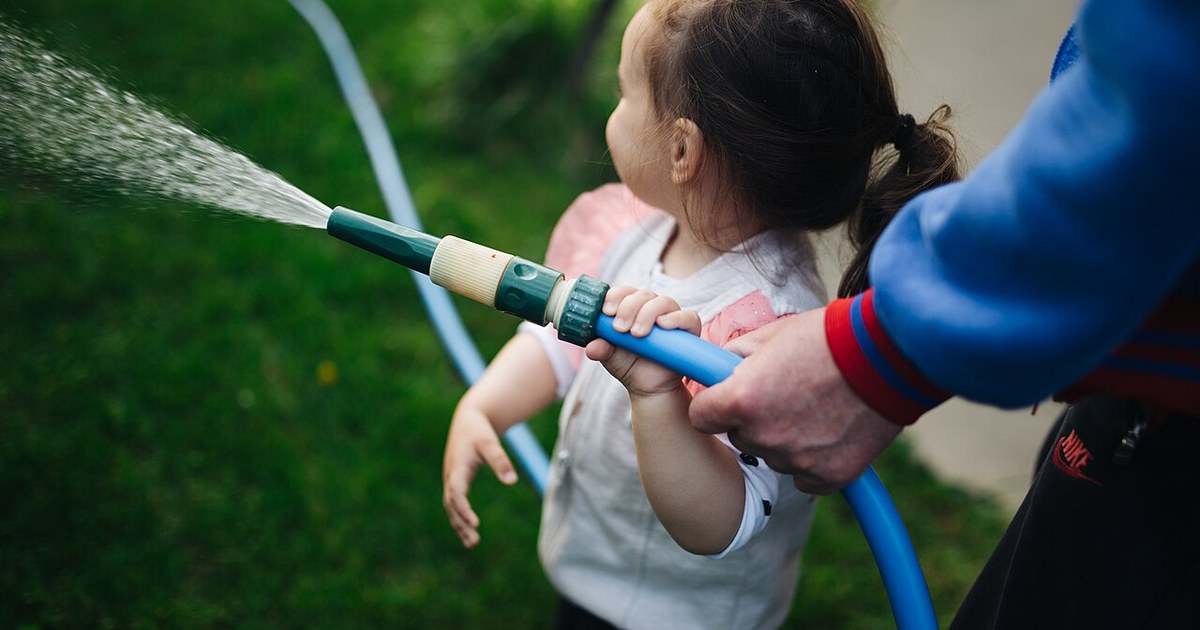
A hose that is too long loses pressure, and the wrong material stiffens after one winter. Measure from the spigot to the farthest bed, then choose the diameter and fittings that match your yard.
Hose materials
- Rubber: heaviest, most durable, best for high pressure and hot water. Lasts 10+ years.
- Hybrid polymer: lighter, flexible in cold weather, kink-resistant. Great all-rounder.
- Vinyl: cheapest, lightest, least durable. Fine for small, occasional use.
- Expandable: ultra-light and compact, but prone to punctures and short lifespan.
Length and diameter
Buy the shortest length that reaches your farthest bed — longer hoses reduce pressure. 5/8 inch diameter is the sweet spot for most homes. 1/2 inch is lighter but lower flow; 3/4 inch is for large properties.
Fittings matter
Solid brass fittings beat aluminum and plastic. They resist cross-threading and corrosion. Look for crush-proof couplings.
Kink resistance
No hose is truly kink-proof, but hybrid and rubber hoses recover far better than vinyl. A hose reel or hanger prevents most kinks from forming in storage.
Storage and care
- Drain and coil after use; never leave pressurized.
- Store out of direct sun and freezing temps.
- Use a reel or wall hanger to prevent kinks.
- Winterize: drain fully before first freeze.
Quick picks by use
- Small patio: 25 ft hybrid, 5/8 in.
- Typical yard: 50-75 ft hybrid or rubber.
- Large property: 100 ft rubber, or two 50 ft hoses with a Y-connector.
- RV/camping: expandable for compact storage.
As an Amazon Associate we earn from qualifying purchases. Check current prices before buying.
Field notes and finer details
Measure before you shop
Add the distance from the spigot to the farthest bed, plus the reach you need with the nozzle. Buy the shortest hose that covers that distance; pressure drops on every extra foot. A 50-foot hose reaches most small yards. Two 50-foot hoses joined with a Y-connector beat one 100-foot hose on a typical lot.
Material differences worth paying for
Rubber hose stays flexible in cold weather and tolerates hot water, but it is heavy. Hybrid polymer is lighter and kink-resistant. Vinyl is cheap and fine for a patio, but it stiffens in winter and cracks sooner. Expandable hose stores in a small space yet punctures easily.
Fittings and water safety
Solid brass couplings survive more seasons than aluminum or plastic. If the hose will be used for drinking water or a child’s pool, look for a lead-free label. The EPA notes that lead can enter water through plumbing fittings, so check older spigots and hoses.
Storage and lifespan
Drain the hose after each use and store it out of direct sun. A reel or wall hanger prevents kinks at the connection point. Before the first freeze, drain it fully and bring it inside. A hose left pressurized outdoors will split at the couplings.
Start with the distance
Measure from the tap to the farthest bed, then add a few feet for movement around corners. A hose that just reaches will be pulled tight at the far end and wear out at the connector. A hose that is far too long is heavy when full and loses pressure along its length. For most gardens, 50 feet covers a small yard and 75 to 100 feet suits a larger one.
Water pressure drops with length and with a narrow bore. A standard 5/8-inch hose carries more water than a 1/2-inch hose over the same distance. If you are running a sprinkler at the far end of a long hose, the wider bore makes a visible difference.
Materials compared
Rubber hoses are flexible, heavy, and resist kinks in cold weather. Vinyl hoses are light and cheap but stiffen in winter and crack sooner. Reinforced polymer hoses are light, resist kinks, and handle higher pressure, though a cheap one can puncture. Fabric hoses are very light and compact for storage, but they need careful handling around thorns and are not suited to high pressure.
Look at the fittings before the length of the warranty. Brass fittings outlast plastic ones, which crack after a season of tightening. A hose with a strain relief where the fitting meets the tube survives being pulled around corners far better than one without.
Connectors and accessories
Standard garden taps in North America use 3/4-inch thread fittings. Check your tap before ordering a quick-connect set. A quick-connect system saves time if you change attachments often, but cheap plastic connectors leak. A shut-off valve at the hose end lets you move between beds without returning to the tap.
An adjustable nozzle covers most jobs, from a gentle seedling spray to a jet for cleaning paths. A dedicated soaker hose or drip line uses far less water than a spray nozzle and keeps foliage dry, which reduces disease. Many gardeners keep one hose for general use and a separate drip system for beds.
Storage and winter care
Drain the hose before winter. Water left inside freezes, expands, and splits the tube and fittings. Store it coiled loosely in a shed or garage; a tight coil creates a permanent kink. A wall-mounted reel keeps it off the ground and extends its life, though the reel itself should be brought inside if frost is severe.
Check the hose each spring for cracks, leaks at the fittings, and weak spots where it crosses a path. A small leak at the connector is often just a worn washer, which costs little to replace. A hose that splits along its length is not worth repairing.
Matching the hose to the job
A light vinyl hose is fine for filling a watering can or a quick rinse. A reinforced hose suits daily watering of beds and general cleaning. A soaker hose or a drip kit is better for rows of vegetables, since it puts water at the roots and leaves foliage dry. Many gardens need two systems rather than one hose doing every job.
If you have a lawn sprinkler, check the flow rate of your tap and the length of hose. A long, narrow hose feeding a large sprinkler will deliver poor pressure at the far end. A wider hose or two shorter runs from different taps solve the problem more cheaply than buying a more powerful sprinkler.
Common failures and quick fixes
A hose that kinks at the tap usually has a weak spot just behind the fitting. Shorten that end by cutting it off and fitting a new connector, or replace the hose if several spots are weak. A fitting that leaks is often just a worn rubber washer; carry a few spares.
If water sprays from a pinhole in the tube, a temporary repair with hose tape will last a season, but a split along the length means the hose is finished. Store the hose loosely coiled and drained in winter, and it will last several years longer than one left out in the frost.
Common questions
Is 5/8 inch the right diameter?
For most homes, yes. A half-inch hose is lighter but delivers less water; three-quarter inch suits large properties.
Do soaker hoses save water?
Yes, when placed at the soil surface under mulch. They deliver water slowly where roots use it.