
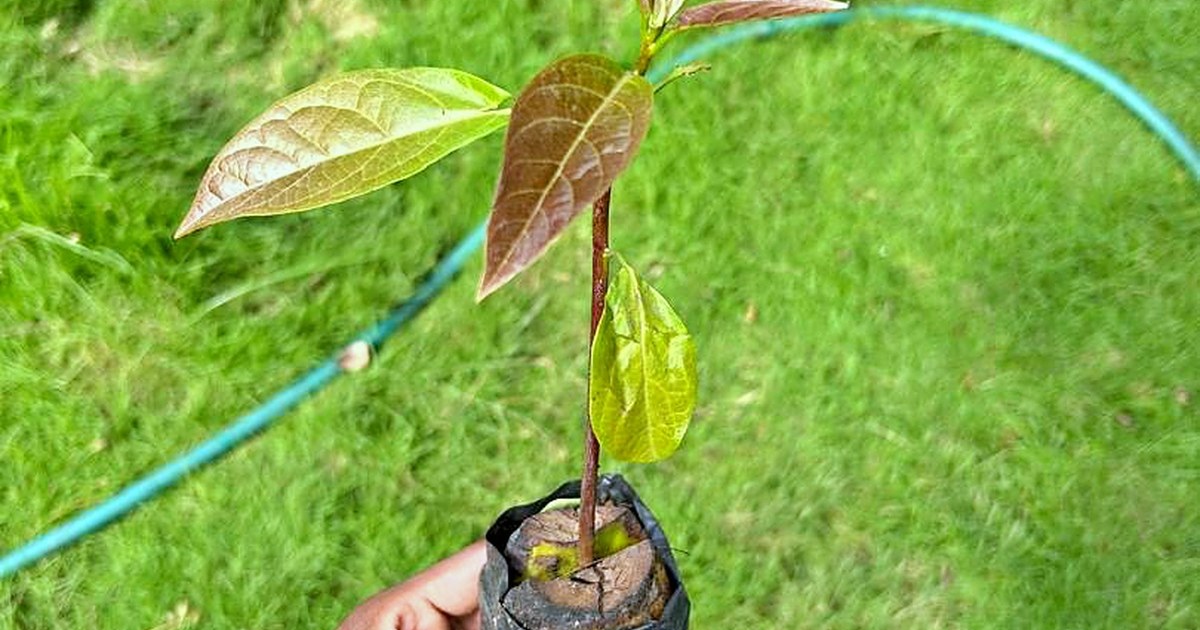
Growing an avocado from seed is a simple, satisfying project. It will not produce fruit quickly, but it makes an attractive houseplant.
What to expect
An avocado grown from seed is a genetic lottery. It may take 5 to 13 years to fruit, and the fruit may not resemble the parent. Most seed-grown trees are grown for foliage, not fruit. If you want reliable fruit, buy a grafted tree.
That said, a seed-grown avocado is a handsome plant with large, glossy leaves. It grows quickly in good conditions and can become a small tree indoors or in a warm climate.
Germinating the seed
Remove the pit from a ripe avocado and wash it clean. Identify the top (pointed end) and bottom (flat end). Insert three toothpicks around the middle and suspend the pit over a glass of water, flat end down, so the bottom third is submerged.
Place it in a warm, bright spot out of direct sun. Change the water every few days. A root appears first, then a shoot. Germination takes 2 to 8 weeks. If the pit rots or splits without sprouting, start again with a fresh one.
Potting
When the shoot is 6 to 8 inches tall and the roots are well developed, pot the seed in a container at least 10 inches deep with drainage holes. Use a standard potting mix. Plant so the top half of the pit is above the soil surface.
Water well after planting and keep the soil evenly moist but not waterlogged. A pot that is too large holds wet soil around a small root system and causes rot.
Light and temperature
Avocados need bright light. A south or west window is best. They tolerate some direct sun once established. In low light they grow slowly and become leggy. A grow light helps in winter.
They prefer temperatures between 60 and 85°F (15-29°C). They do not tolerate frost. In cold regions, keep the plant indoors year-round or move it outside only in summer.
Watering and feeding
Water when the top inch of soil feels dry. Avocados are sensitive to both drought and waterlogging. Use room-temperature water and ensure good drainage. Yellow leaves often mean overwatering.
Feed every two to four weeks during the growing season with a balanced liquid fertilizer at half strength. Do not feed in winter. Flush the soil occasionally to remove salt build-up from fertilizer.
Pruning and shaping
Pinch the growing tip when the plant is 12 inches tall to encourage branching. Without pruning, a seed-grown avocado grows as a single tall stem. Prune annually to keep it compact and bushy.
Repot every one to two years as the plant grows, moving up one pot size. A large plant may need a 10 to 15 gallon container.
Pests and problems
Spider mites appear in dry, warm rooms and leave fine webbing. Rinse the leaves with water. Scale insects attach to stems and leaves; remove them with alcohol on a cotton swab. Root rot is the main disease and is caused by overwatering.
Realistic expectations
If you want fruit, buy a grafted tree suited to your climate. A seed-grown tree is a long-term project with an uncertain outcome. Enjoy it as a foliage plant, and treat any fruit as a bonus.
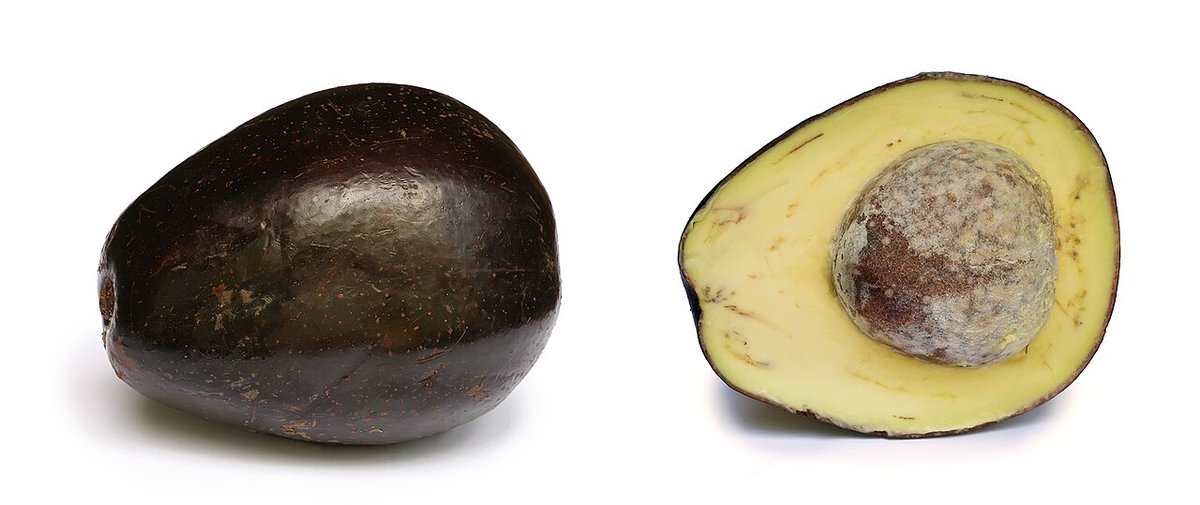
Field notes and finer details
Germinating the seed
Remove the pit from a ripe avocado and wash it clean. Suspend it over water with toothpicks, flat end down. A root appears first, then a shoot. Germination takes 2 to 8 weeks.
What to expect
An avocado grown from seed is a genetic lottery. It may take years to fruit and the fruit may not resemble the parent. Most seed-grown trees are grown for foliage.
Potting and care
Pot the seed when the shoot is 6 to 8 inches tall. Use a pot at least 10 inches deep. Water when the top inch of soil is dry. Feed every two to four weeks during the growing season.
Common problems
Spider mites appear in dry, warm rooms and leave fine webbing. Rinse the leaves with water. Scale insects attach to stems and leaves; remove them with alcohol on a cotton swab. Root rot is the main disease and is caused by overwatering.
If the plant becomes leggy, move it to a brighter spot and prune the growing tip to encourage branching. Repot every one to two years as the plant grows, moving up one pot size.
Realistic expectations
If you want fruit, buy a grafted tree suited to your climate. A seed-grown tree is a long-term project with an uncertain outcome. Enjoy it as a foliage plant, and treat any fruit as a bonus.
Watering and feeding
Water when the top inch of soil feels dry. Avocados are sensitive to both drought and waterlogging. Use room-temperature water and ensure good drainage. Yellow leaves often mean overwatering.
Feed every two to four weeks during the growing season with a balanced liquid fertilizer at half strength. Do not feed in winter. Flush the soil occasionally to remove salt build-up from fertilizer.
Pruning and shaping
Pinch the growing tip when the plant is 12 inches tall to encourage branching. Without pruning, a seed-grown avocado grows as a single tall stem. Prune annually to keep it compact and bushy.
Pests and problems
Spider mites appear in dry, warm rooms and leave fine webbing. Rinse the leaves with water. Scale insects attach to stems and leaves; remove them with alcohol on a cotton swab. Root rot is the main disease and is caused by overwatering.
If the plant becomes leggy, move it to a brighter spot and prune the growing tip to encourage branching. Repot every one to two years as the plant grows.
Common questions
Will an avocado grown from seed produce fruit?
Possibly, but it may take 5 to 13 years and the fruit may differ from the parent.
How long does germination take?
2 to 8 weeks. Change the water every few days.
Can I grow an avocado tree indoors?
Yes, in a bright spot. It will not tolerate frost.