🌿 What Is the Fastest Growing Plant in the USA? Nature’s Speed Demon
When it comes to racing toward the sun, few organisms can compete with the astonishing pace of certain plants. While trees may take decades to mature and flowers bloom in seasonal cycles, some plants grow with intensity that feels almost alien. So, what holds the title of the fastest growing plant in the USA?
Drumroll, please… It’s Bamboo.
Yes, bamboo—often thought of as an exotic plant for panda habitats—is not only incredibly fast-growing but is also native to several parts of the southeastern United States. It has become a green marvel for homeowners, landscapers, and sustainability advocates alike.
Let’s dive into why bamboo earns this speedy crown, and how its rapid growth is both a blessing and a challenge.
🎋 Bamboo: The Botanical Speedster
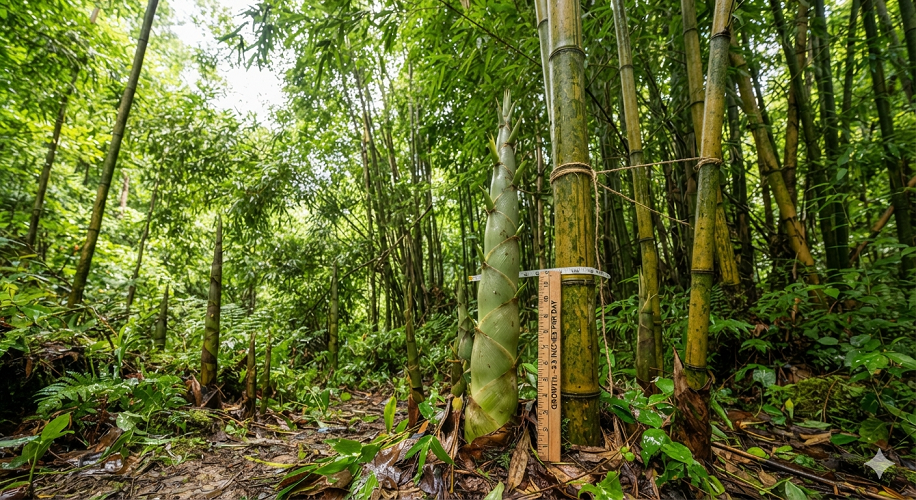
Bamboo’s growth potential is almost mythical. Some species can grow up to 35 inches (nearly 1 meter) in a single day under optimal conditions. That’s over an inch per hour.
This rapid expansion is driven by a unique growing structure called rhizomes—underground stems that store energy and nutrients. Instead of growing from seed each year, bamboo sends up new shoots from these rhizomes, allowing for explosive growth without waiting for germination.
Here are the key characteristics that make bamboo nature’s speed demon:
- Rhizome-based reproduction
- No seasonal dormancy in warm climates
- Hollow stems (culms) that grow vertically and quickly
- High photosynthetic efficiency
🌎 Native U.S. Bamboo Species
Contrary to popular belief, bamboo isn’t just an Asian import. The United States has its native bamboo species, known collectively as Arundinaria.
1. Arundinaria gigantea (Giant Cane)
- Found in the southeastern U.S.
- Grows up to 30 feet tall
- Historically used by Indigenous tribes for weaving and construction
2. Arundinaria tecta (Switch Cane)
- Found in wetlands and shaded areas
- Smaller in stature but equally vigorous
These native species, while not quite as tall or aggressive as their tropical relatives, still grow impressively fast compared to most temperate plants.
📈 Bamboo vs. Other Fast-Growers: A Green Showdown
Let’s see how bamboo stacks up against other contenders:
| Plant Name | Max Daily Growth | Native to USA | Growth Style |
|---|---|---|---|
| Bamboo | Up to 35 inches/day | Yes (some species) | Rhizome shoots |
| Sunflower | 2–3 inches/day | Yes | Seed to stalk |
| Kudzu Vine | Up to 12 inches/day | Introduced | Climbing vine |
| Hybrid Willow | 3–5 feet/year | Yes | Tree-like growth |
| Sweet Corn | 2 inches/day (peak) | Yes | Stalk-based |
While kudzu is notorious for its invasive speed, bamboo still wins by raw vertical growth.
🧠 Why Speed Matters: Practical Uses of Fast-Growing Bamboo
Bamboo isn’t just impressive—it’s useful. Here’s how its growth is harnessed:
✅ Landscaping and Privacy Screens
Tall bamboo varieties make excellent living fences—fast, green, and natural.
✅ Building Material
Bamboo culms are incredibly strong yet lightweight. They’re used in furniture, flooring, and even scaffolding.
✅ Erosion Control
The rhizome network stabilizes soil, making bamboo ideal for flood-prone or loose terrain.
✅ Wildlife Habitat
Native bamboo supports birds, insects, and even endangered species such as the Appalachian Swallowtail butterfly.
✅ Carbon Sequestration
Bamboo absorbs CO₂ at a high rate—making it a natural air purifier.
😅 Bamboo’s Not-So-Fun Side: Growth Gone Wild
Fast growth can be a mixed blessing. Invasive species such as Phyllostachys aurea (Golden Bamboo) have run rampant across southern yards and parks, crowding out native plants.
Homeowners plant bamboo for quick privacy, only to find it taking over gardens, sidewalks, and neighbors’ yards. Removal can be labor-intensive, requiring trenching, cutting, and long-term monitoring.
Pro tip: When planting bamboo, opt for clumping varieties over spreading types. These grow in tidy clusters and are easier to manage.
🧪 Can Bamboo Growth Be Controlled or Enhanced?
Absolutely. Whether you’re taming it or trying to grow faster, these techniques help:
- Mulching: Helps retain moisture and accelerates shoot emergence.
- Pruning older stalks: Encourages energy allocation to newer growth.
- Barrier installation: Keeps rhizomes from escaping into unwanted areas.
- Full sun exposure: Maximize vertical growth in sunny climates.
With care, bamboo can become a fast-growing asset—rather than an overgrown headache.
🧭 Regional Notes: Where Bamboo Thrives in the USA
Bamboo loves warm, humid conditions, thriving particularly in:
- Florida
- Louisiana
- Texas
- Georgia
- South Carolina
- Southern California
Native bamboo species grow in wetland regions with partial shade, while non-native varieties prefer full sun and rich soil.
🌿 Alternatives for Fast-Growing Greenery
Not sold on bamboo? Here are some other speedy growers worth considering:
- Willow Trees – Rapid vertical growth and shade
- Hybrid Poplar – Fast shade tree for large landscapes
- Morning Glory – Quick-growing vine with blooms
- Elephant Grass – Tall, fast-growing ornamental grass
Each offers unique benefits, but none match bamboo’s vertical velocity.
📝 Final Thoughts: Bamboo, Nature’s Rocket
Whether it’s rising as a graceful privacy wall, anchoring wetlands, or starring in sustainability projects, bamboo’s status as the fastest growing plant in the USA is well-earned. Its speed is a testament to nature’s efficiency, and a reminder of how much power lies beneath our feet—in roots, soil, and sunshine.
Thinking about planting your own bamboo haven? Stay tuned for our next post: “Clumping vs. Running Bamboo: Which Should You Plant in Your Yard?”