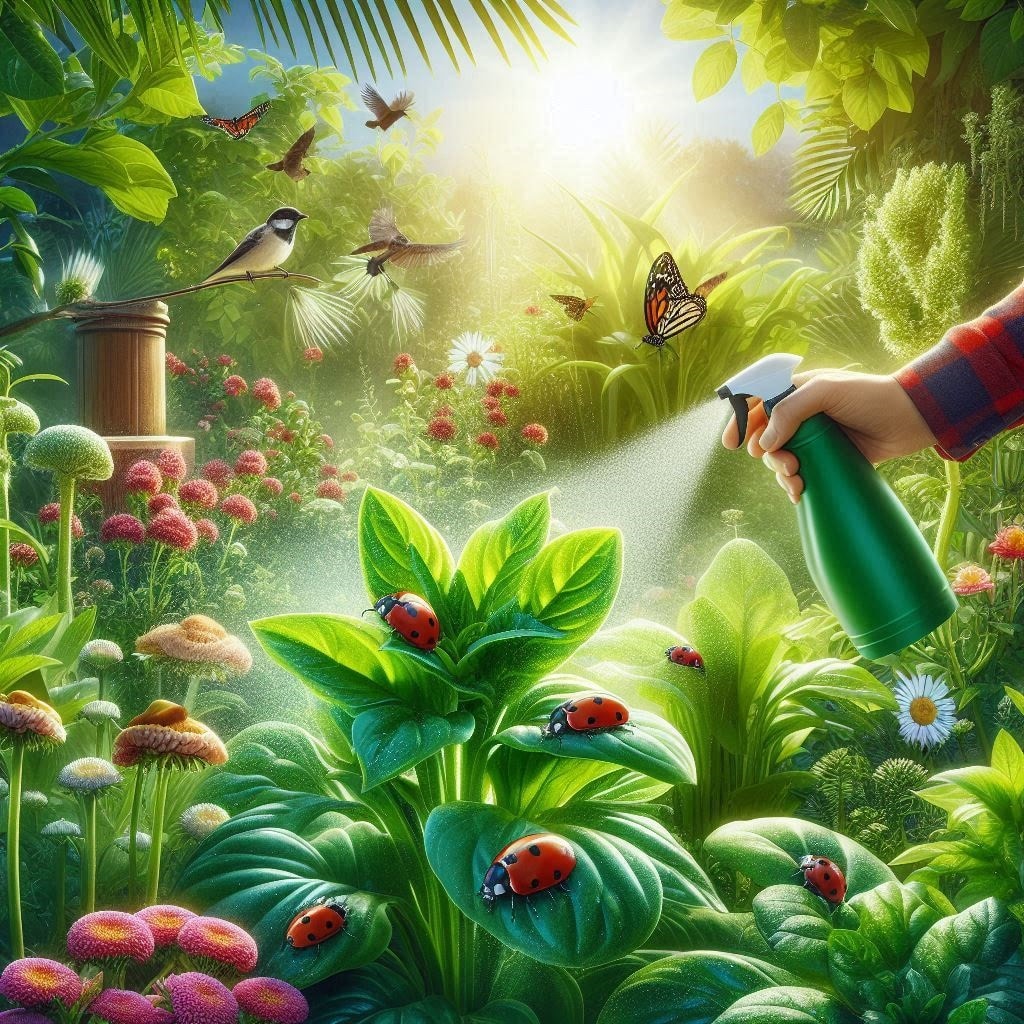
How to Get Rid of Slugs in Garden: A Premium Guide to Protecting Your Plants
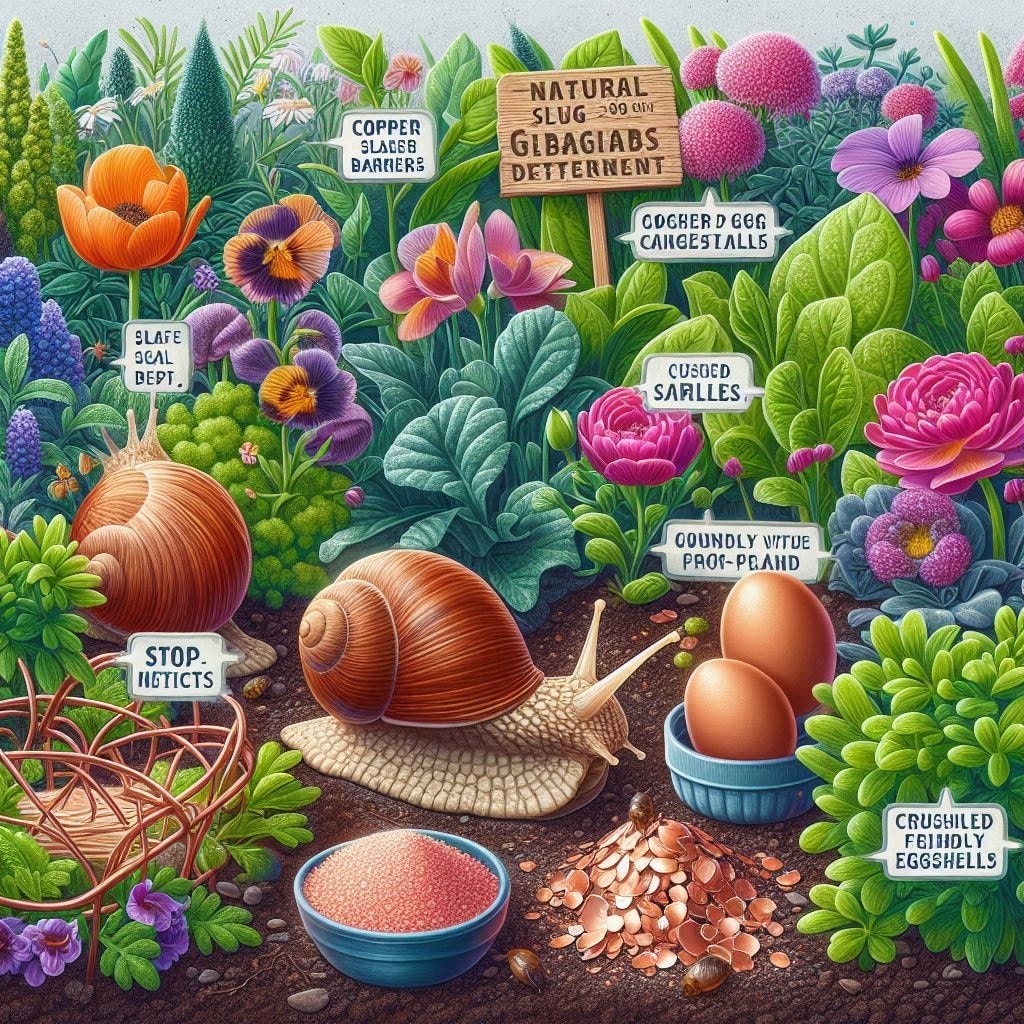
Slugs are among the most persistent garden pests. These slimy creatures thrive in damp, shaded environments and can devastate young seedlings, leafy greens, and ornamental plants overnight. Their feeding habits leave ragged holes in leaves, weakened stems, and a trail of slime that frustrates even the most patient gardener.
The good news is that with the right strategies, you can manage slugs effectively and protect your garden without resorting to harsh chemicals. This premium guide explores how to get rid of slugs in garden using natural remedies, preventive practices, and eco-friendly solutions.

🐌 Why Slugs Are a Problem
- Rapid feeders: Slugs can consume large amounts of foliage in a single night.
- Preference for tender plants: Seedlings, lettuce, hostas, and strawberries are especially vulnerable.
- Moisture dependency: Slugs thrive in damp soil, mulch, and shaded areas.
- Hidden lifestyle: They feed at night and hide during the day, making them hard to spot.
🌱 Natural Methods to Get Rid of Slugs
1. Handpicking at Night
- Go out with a flashlight after dusk.
- Collect slugs manually and dispose of them in soapy water.
- Effective but requires consistency.
2. Beer Traps
- Bury shallow containers in the soil and fill with beer.
- Slugs are attracted to the yeast, crawl in, and drown.
- Replace beer regularly for best results.
3. Copper Barriers
- Place copper tape or strips around pots and raised beds.
- Copper reacts with slug slime, creating a mild electric shock that deters them.
4. Diatomaceous Earth (DE)
- Sprinkle food-grade DE around plants.
- Its sharp particles damage slugs’ bodies, dehydrating them.
- Reapply after rain.
5. Eggshells or Sand
- Crushed eggshells or coarse sand create rough surfaces that slugs avoid.
- Spread around vulnerable plants.
🌿 Eco-Friendly Preventive Strategies
Reduce Moisture
- Water plants in the morning so the soil dries by evening.
- Avoid overwatering and improve drainage.
Remove Hiding Spots
- Clear debris, boards, and thick mulch where slugs hide.
- Keep garden beds tidy.
Encourage Natural Predators
- Birds, frogs, hedgehogs, and ground beetles feed on slugs.
- Create habitats that attract these allies.
Plant Resistant Species
- Slugs dislike aromatic and tough-leaved plants like lavender, rosemary, and ferns.
- Use these as natural barriers.
🧪 Homemade Slug Repellent Recipes
- Garlic Spray: Blend garlic cloves with water, strain, and spray around plants.
- Coffee Grounds: Spread used coffee grounds around beds; caffeine repels slugs.
- Salt Solution: Sprinkle salt directly on slugs (effective but less eco-friendly).
- Essential Oils: Peppermint oil diluted in water can deter slugs when sprayed on soil.
📊 Comparison: Natural vs. Chemical Solutions
| Method | Pros | Cons |
|---|---|---|
| Natural remedies | Safe, eco-friendly, inexpensive | May require repetition |
| Chemical pellets | Fast, effective | Harmful to pets, wildlife, and soil |
🧠 When to Use Professional Help
If slug infestations persist despite natural remedies, consider professional pest control. This is especially important if:
- Slugs are damaging crops on a large scale.
- You suspect invasive species like Spanish slugs.
- Natural predators are absent in your area.
📝 Final Thoughts: Balance, Not Eradication
Slugs are part of the ecosystem, recycling organic matter and feeding wildlife. The goal isn’t to eliminate them entirely but to manage their presence so they don’t overwhelm your plants. By combining natural repellents, preventive strategies, and mindful garden care, you can enjoy a thriving, slug-free garden.
Remember: consistency is key. Regular monitoring, eco-friendly barriers, and encouraging biodiversity will transform your garden into a resilient sanctuary where plants flourish, and slugs stay under control.