
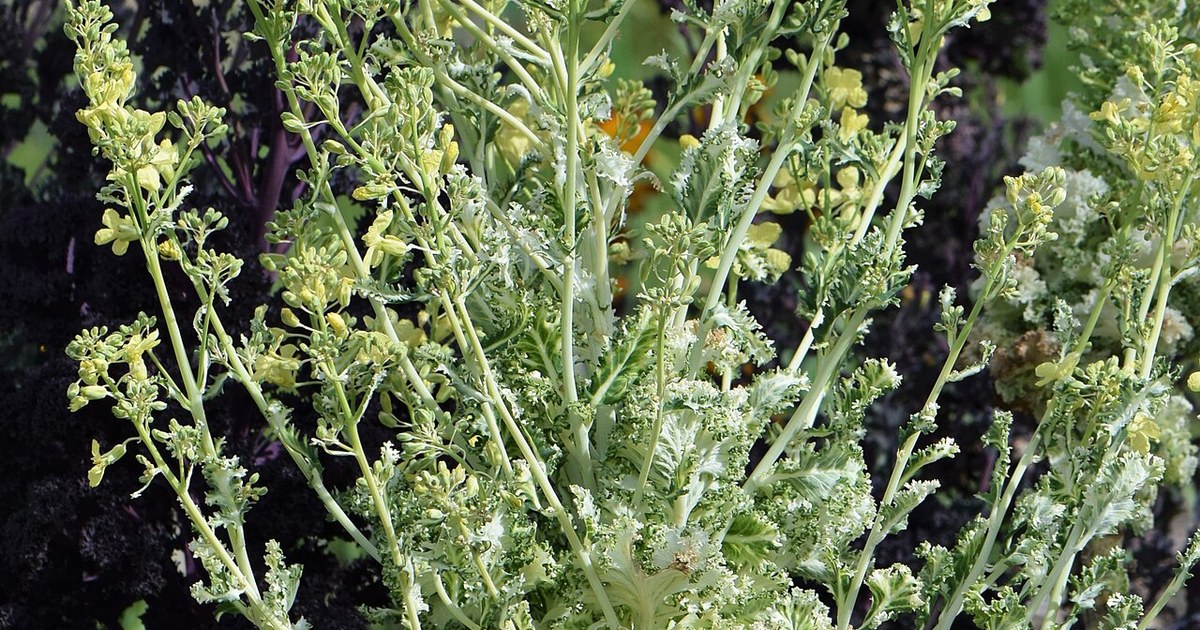
Kale is one of the few vegetables that gets sweeter after frost. Sow at the right season and pick only the outer leaves, and a single plant can keep producing for months.
When to plant
Kale tolerates cold better than most crops. Sow seeds 4-6 weeks before the last spring frost, or sow again in midsummer for a fall crop. Kale tastes sweeter after a few frosts.
Site and soil
Choose a spot with 6 or more hours of sun. Kale prefers rich, well-drained soil with plenty of compost. Aim for a pH of about 6.0 to 7.5.
Planting and spacing
- Sow seeds about 1/2 inch deep and thin seedlings to 12-18 inches apart.
- Transplants can go in at the same spacing once they have 4-5 true leaves.
- Keep the bed evenly moist for the first two weeks.
Feeding and watering
Kale is a heavy feeder. Work compost into the bed before planting and side-dress with a nitrogen-rich feed every 3-4 weeks. Water about 1 inch per week, deeper during dry spells, to avoid tough and bitter leaves.
Pests
- Cabbage worms: check the undersides of leaves weekly and pick off the green caterpillars.
- Aphids: spray a strong jet of water or use insecticidal soap.
- Flea beetles: cover young plants with floating row cover.
Harvest
Pick the outer leaves when they reach about 8 inches long, and leave the center growing. A healthy plant keeps producing for months. Harvest in the morning for the crispest leaves.
Common mistakes
- Letting plants go too long without water, which makes leaves bitter.
- Harvesting too much at once and stressing the plant.
- Skipping pest checks, since caterpillars can strip a plant in a few days.
Field notes and finer details
Pick a variety for your season
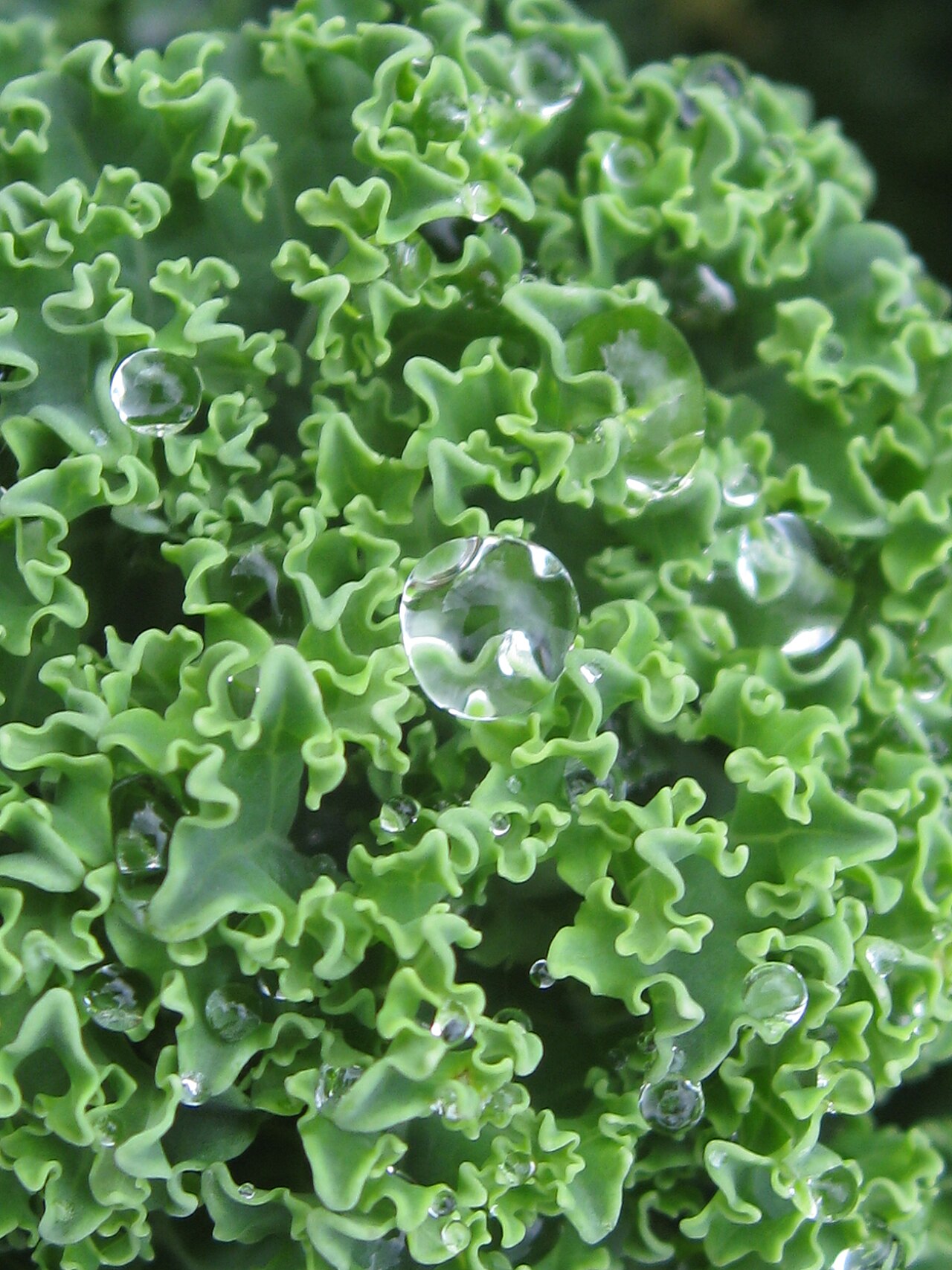
Red Russian and Lacinato tolerate heat better than many curly types. Winterbor and True Siberian handle cold and keep producing under cover. Baby-leaf varieties can be cut young and repeatedly. Plant three or four types if you want a longer harvest window.
Spring and fall are different jobs
Spring kale goes out four to six weeks before the last frost; germination can start at soil temperatures near 40°F (4°C). For fall, direct seed about three months before the first frost. Flavor improves after a light frost because sugars build in the leaves. In mild regions, plants can keep producing through winter under a low tunnel.
Pests with clear signatures
Flea beetles leave tiny round holes in young leaves; row cover stops them. Cabbage worms are green caterpillars on leaf undersides; pick them off or use Bt. Aphids cluster on new growth and leave sticky honeydew. Black rot shows yellow V-shaped lesions at leaf edges; buy clean seed and rotate brassicas out of the same bed for three years.
Harvest without killing the plant
Take outer leaves and leave the central growing point. Never remove more than a third of the plant at one picking. A leaf 8-10 inches long is ready. Store picked leaves in a loose bag in the refrigerator; they keep about a week.
Planting for two harvest windows
Kale handles frost better than most vegetables and becomes sweeter after a few cold nights. Spring sowing goes into the ground four to six weeks before the last frost. For a fall and winter crop, sow in midsummer and transplant into beds that have finished with early vegetables. In mild regions, the fall crop can keep producing through winter under a row cover.
Start seed indoors two to three weeks before planting out if the outdoor soil is still cold. Transplants should have four to five true leaves. Set them 12 to 18 inches apart, depending on the variety. Dwarf types can be closer; large curly varieties need the full distance.
Soil, water, and feeding
Kale is a leaf crop, so it needs nitrogen and steady moisture. Work compost into the bed before planting and side-dress with a nitrogen-rich fertilizer a few weeks after transplanting. Keep the pH between 6.0 and 7.5. Soil that is too acidic limits growth.
Water about an inch a week, more in hot weather. Irregular watering makes leaves tough and slows growth. Mulch around plants to hold moisture and reduce weeding. Kale is a brassica, so rotate it out of beds where cabbage, broccoli, or Brussels sprouts grew in the previous season. Rotation reduces the build-up of clubroot and other soil-borne diseases.
Pests with clear signatures
Aphids cluster on the tender centre leaves and leave sticky honeydew. Cabbage worms are green caterpillars that chew irregular holes and leave dark droppings. Slugs leave shiny trails and large ragged holes, usually at night. Inspect the centre of the plant weekly, since damage there affects the leaves you will harvest next.
Cover young plants with insect netting to keep cabbage moths from laying eggs. Hand-pick caterpillars early. A strong jet of water knocks aphids off the plant. Treat severe infestations in the evening, and never spray an open flower where bees are visiting. If a plant is covered with pests, remove it rather than harvesting from it.
Harvesting over months
Pick the outer leaves first, cutting them at the base with a knife. The centre keeps producing new leaves, so one plant can supply a household for months. Take no more than a third of the plant at a time. Leaves are best when they are young and firm; large older leaves become bitter.
After a hard frost, wait a day or two before harvesting. The cold changes the sugars in the leaves and improves the flavour. In early spring, watch for plants that have gone to seed and pull them out, since they stop producing usable leaves. Save seed only from plants whose flavour you want to keep.
Common questions
Does kale need full sun?
Six hours is ideal, but it tolerates partial shade, especially in hot summer regions.
Why is my kale bitter?
Heat and drought make leaves tough. Water steadily and harvest in cool weather.