
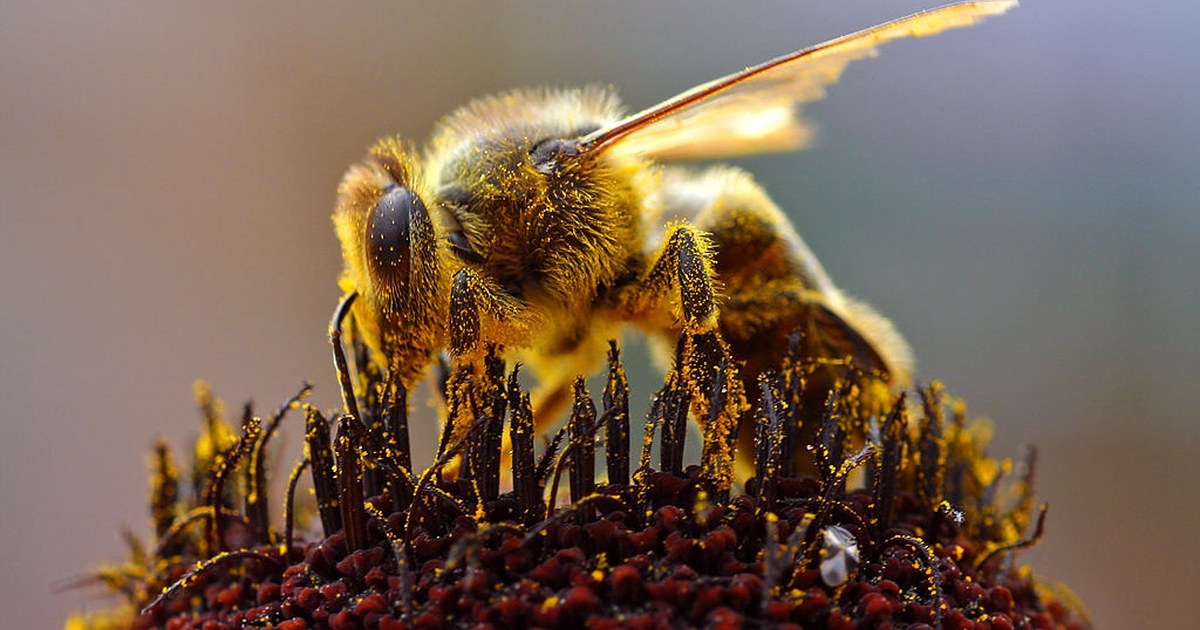
A pollinator garden works when it offers flowers from early spring to frost and a safe place to nest. Choose native plants, avoid sprays on blooms, and leave some stems standing through winter.
Why it matters
Bees, butterflies, and other pollinators help many fruits and vegetables set fruit. Your garden can support them even if it is small. Many pollinators feed on a few plants, so native flowers from your region are usually the most useful.
Plan for blooms all season
- Spring: crocus, blue flag iris, and early herbs such as thyme and chives.
- Summer: coneflower, bee balm, lavender, and salvia.
- Fall: asters and goldenrod, which feed pollinators before winter.
Choose at least three plants that flower in each season so food is available most of the year.
Choose native plants
Check a native plant society or your local extension office for plants that grow well in your area. Single-flowered varieties are often better than double-flowered ones, since double blooms are harder for bees to reach pollen in.
Provide water and shelter
- Set a shallow dish of water with pebbles so insects can land safely.
- Leave some bare ground or hollow plant stems for ground-nesting and stem-nesting bees.
- Keep a corner of the yard a little untidy in fall. Leaves and stems give shelter over winter.
Avoid pesticides
Many common insecticides kill beneficial pollinators along with pests. Use hand-picking, a strong spray of water, or insecticidal soap, and avoid spraying flowers when bees are active.
Start small
A single bed of 5-10 plants can attract many visitors. Add more each year as you learn what grows best in your yard.
Field notes and finer details
Native plants do more work
Local bees often rely on specific native flowers. Check a regional native plant society or extension list before choosing. Single-flowered varieties give easier access to pollen and nectar than double-flowered ones.
Cover the whole season
Early crocus and iris, summer coneflower and bee balm, and late asters and goldenrod keep food available from spring to frost. Plant in clumps of three or more so pollinators can find flowers quickly.
Water and nesting
A shallow dish with pebbles gives bees a safe place to drink. Leave some bare soil for ground-nesting bees and keep hollow stems standing through winter. A tidy fall cleanup removes habitat.
No insecticides on flowers
Many common sprays kill pollinators as well as pests. Hand-pick pests, use water sprays, or apply soap only to the affected foliage and never to open blooms.
What pollinators actually need
Most people plant flowers and stop there. Bees need pollen and nectar, but they also need nesting sites and water. Butterflies need host plants for caterpillars, not just nectar for adults. A patch of flowers that blooms for three weeks in June leaves little support for the rest of the season.
Native plants usually support more local insect species than imported ornamentals. Single-flowered varieties give easier access to pollen than double-flowered ones, where the reproductive parts have been replaced by extra petals. Check a regional native plant list before choosing; a plant native to another part of the country may be of little use to local bees.
A planting plan by season
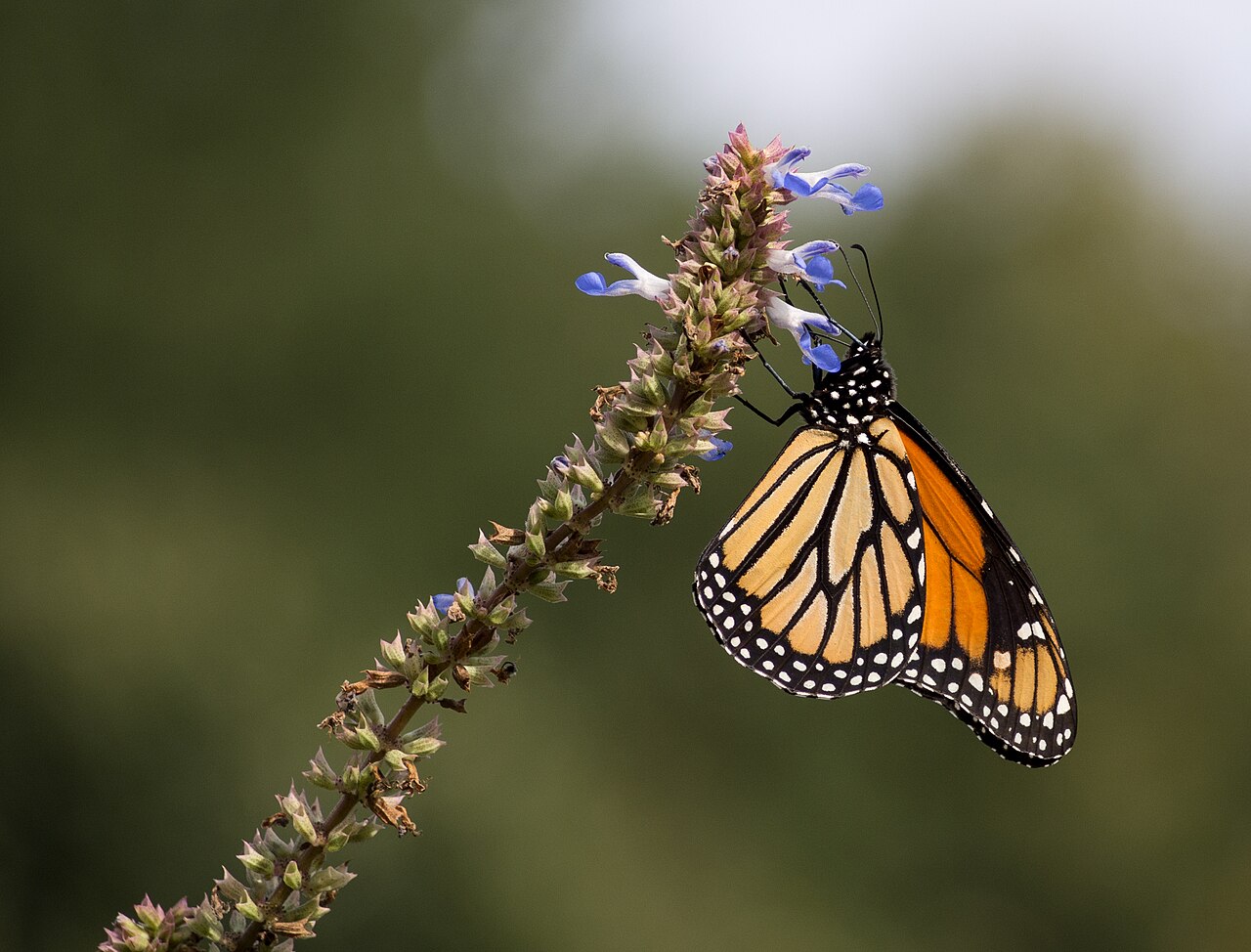
Start with earlybloomers such as crocus, native willow, or Virginia bluebells. Add mid-season stalks like coneflower, bee balm, and milkweed. Finish with asters, goldenrod, and sedum for late food. Three or more of each species planted together makes a target that pollinators can find quickly. A single plant of each species scattered around a bed is harder to locate.
Keep a shallow dish of water with pebbles or marbles in it. Bees land on the pebbles and drink without falling in. Refresh it every few days in warm weather so it does not become a mosquito breeding site.
Nesting habitat
Roughly half of native bee species nest in the ground. Leave a small area of bare, well-drained soil and do not mulch it. Other species nest in hollow stems or holes in wood. Cut dead stems back to about 12 inches in late spring rather than clearing them in autumn, and leave a few twigs or a log pile at the edge of the bed.
Common mistakes
Spraying an insecticide on a flowering plant can kill visitors within hours. If pest control is needed, treat the affected foliage only, in the evening, and never while flowers are open. A tidy autumn clean-up removes stem-nesting insects along with the dead tops. Waiting until temperatures rise in spring keeps that habitat in place. Finally, avoid buying plants treated with systemic insecticides, which can make pollen toxic to the insects that visit it.
Maintaining the garden after planting
A pollinator garden changes over time. Perennials spread, shrubs shade out smaller plants, and the balance of bloom times shifts. Walk through the bed once a month in the first year and note where there are gaps in flowering. If nothing is blooming in late July, add a mid-season plant rather than another early one.
Weed by hand near the base of plants, but leave a patch of bare soil for ground-nesting bees. Do not spray a blanket insecticide on a bed full of flowers. If aphids appear on one plant, treat that plant alone with water or soap in the evening, after bees have stopped visiting.
Water new plants deeply once a week during their first summer so they establish roots that survive dry spells. Established native plants usually need no supplemental water except in a prolonged drought. A shallow water dish with pebbles should be cleaned and refilled every few days.
In autumn, leave the seed heads on coneflowers and asters. They feed birds through winter and provide structure in the bed. Cut stems back in late spring, and leave a few standing hollow stems for stem-nesting bees. Resist the urge to clear everything to the ground; that tidy habit removes a large part of the habitat the garden was planted to provide.
Common questions
Do pollinator gardens attract wasps?
They attract many beneficial wasps that do not sting people. They help control caterpillars.
Can I do this in a balcony container?
Yes. Use a large pot with several herbs and native flowers that bloom at different times.