
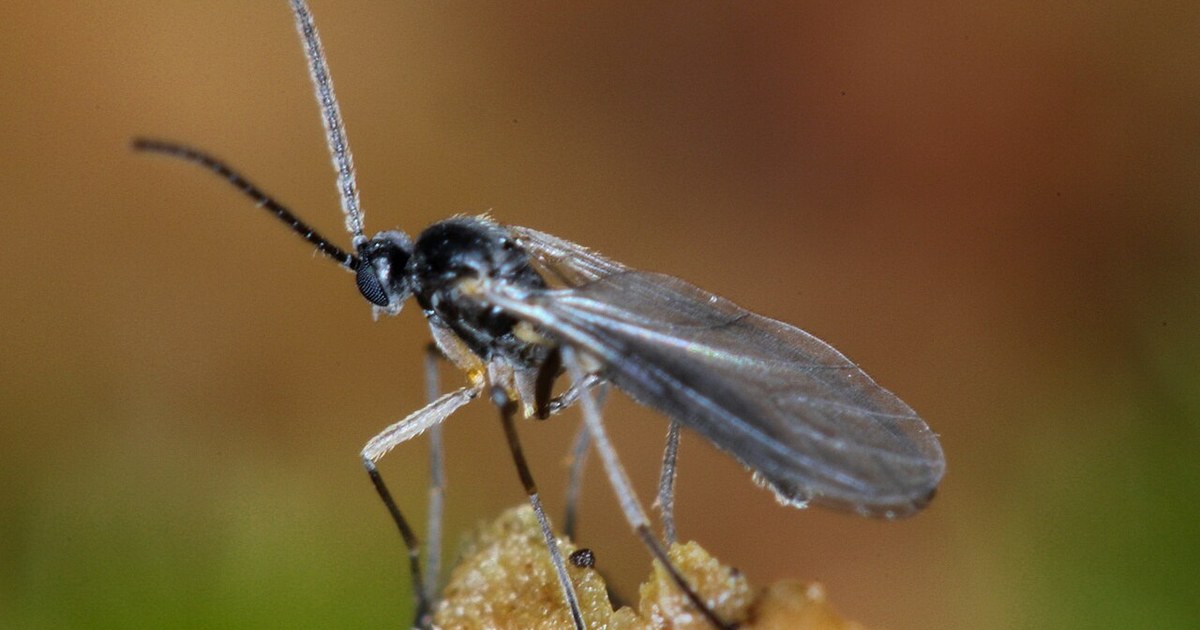
Fungus gnats are small flies that hover around houseplants. The adults are harmless, but their larvae feed on roots. They are a sign of soil that is too wet.
What fungus gnats are
Fungus gnats are tiny flies, about 2 to 3 millimetres long, that live in the top layer of moist potting soil. The adults are weak fliers and are often seen resting on the soil surface or flying up when you water. They do not bite and do not damage plants directly.
The larvae are the problem. They feed on fungi and organic matter in the soil, and in large numbers they damage fine roots. Seedlings and young plants are most at risk. A severe infestation can stunt growth and cause yellowing.
Why they appear
Fungus gnats thrive in moist, rich soil. Overwatering is the main cause. They are also common in fresh potting mix, which contains organic matter and fungi. Plants in low light use less water, so the soil stays damp longer and gnats multiply.
Bringing in a new plant is a common way to introduce them. They can also come in through open windows in warm weather. Once established, they reproduce quickly: a female lays up to 200 eggs in the top of the soil.
Step one: let the soil dry
The most effective control is to change your watering. Fungus gnat larvae need moist soil to survive. Let the top 1 to 2 inches of soil dry out between waterings. For many houseplants, this is better practice anyway. Water from the bottom so the surface stays dry.
For plants that need constant moisture, such as ferns and calatheas, use a different approach: cover the soil surface with a layer of sand or fine gravel 1 centimetre deep. The larvae cannot reach the surface to pupate, and the adults cannot lay eggs in the dry layer.
Traps for adults
Yellow sticky traps catch adult gnats and reduce the breeding population. Place them horizontally just above the soil surface, where the adults rest. Replace them when they are covered. Traps alone will not eliminate an infestation, but they reduce the number of adults laying eggs.
A simple trap can be made from a small dish of apple cider vinegar with a drop of dish soap. The gnats are attracted to the vinegar and drown. Place it near the affected plants.
Biological controls
Bacillus thuringiensis var. israelensis, sold as BTI or mosquito bits, is a bacterium that kills gnat larvae. Soak the bits in water and use that water to irrigate the plants. It is safe for plants, pets, and people. Repeat every two weeks until the infestation is gone.
Predatory nematodes and predatory mites also feed on gnat larvae. They are watered into the soil and work best in moist conditions. They are more expensive than BTI but effective for large collections.
Repotting and soil changes
If the infestation is severe, repot the plant in fresh, sterile potting mix. Remove as much of the old soil as possible and wash the roots. Clean the pot with soapy water before reusing it. Do not reuse the old soil, which contains eggs and larvae.
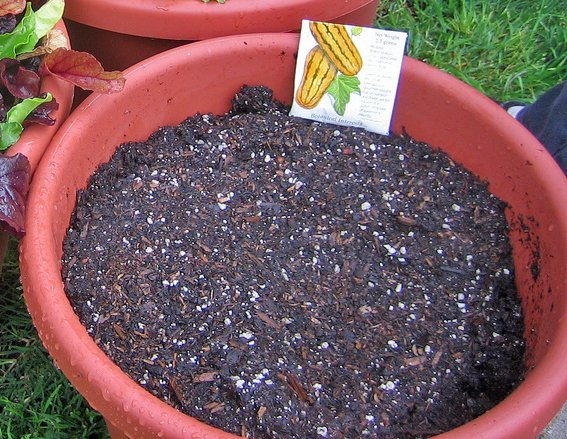
For future potting, avoid mixes that are too rich in organic matter. A mix with more perlite or bark and less compost is less attractive to gnats. Covering the drainage holes with mesh prevents soil from washing out and creating a moist layer at the bottom.
Preventing recurrence
Check new plants before bringing them home. Quarantine them for a week and watch for gnats. Water carefully and let the soil dry between waterings. Remove fallen leaves and debris from the soil surface. Good air circulation and adequate light help plants use water faster, keeping the soil drier.
If gnats keep returning, the problem is usually overwatering or a pot without drainage. Fix the underlying cause rather than treating the symptoms repeatedly.
Field notes and finer details
Why they appear
Fungus gnats thrive in moist, rich soil. Overwatering is the main cause. They are common in fresh potting mix and in low-light rooms where soil stays damp.
Control steps
Let the top 1 to 2 inches of soil dry between waterings. Use yellow sticky traps for adults. Apply BTI (mosquito bits) to kill larvae. For severe cases, repot in fresh sterile mix.
Prevention
Check new plants before bringing them home. Water carefully and let the soil dry. Remove debris from the soil surface. Good air circulation and adequate light help plants use water faster.
Biological controls
Bacillus thuringiensis var. israelensis, sold as BTI or mosquito bits, kills gnat larvae. Soak the bits in water and use that water to irrigate. It is safe for plants, pets, and people. Repeat every two weeks.
Predatory nematodes and predatory mites also feed on larvae. They are watered into the soil and work best in moist conditions. They are more expensive than BTI but effective.
What fungus gnats are
Fungus gnats are tiny flies, about 2 to 3 millimetres long, that live in the top layer of moist potting soil. The adults are weak fliers and rest on the soil surface. They do not bite and do not damage plants directly.
The larvae are the problem. They feed on fungi and organic matter in the soil, and in large numbers they damage fine roots. Seedlings and young plants are most at risk. A severe infestation can stunt growth and cause yellowing.
Common questions
Are fungus gnats harmful to plants?
The adults are harmless, but larvae can damage fine roots in large numbers.
What is the best treatment for fungus gnats?
Drying the soil plus BTI is the most reliable combination.
Can I use hydrogen peroxide?
A diluted solution can kill larvae, but drying the soil is safer and more effective.