
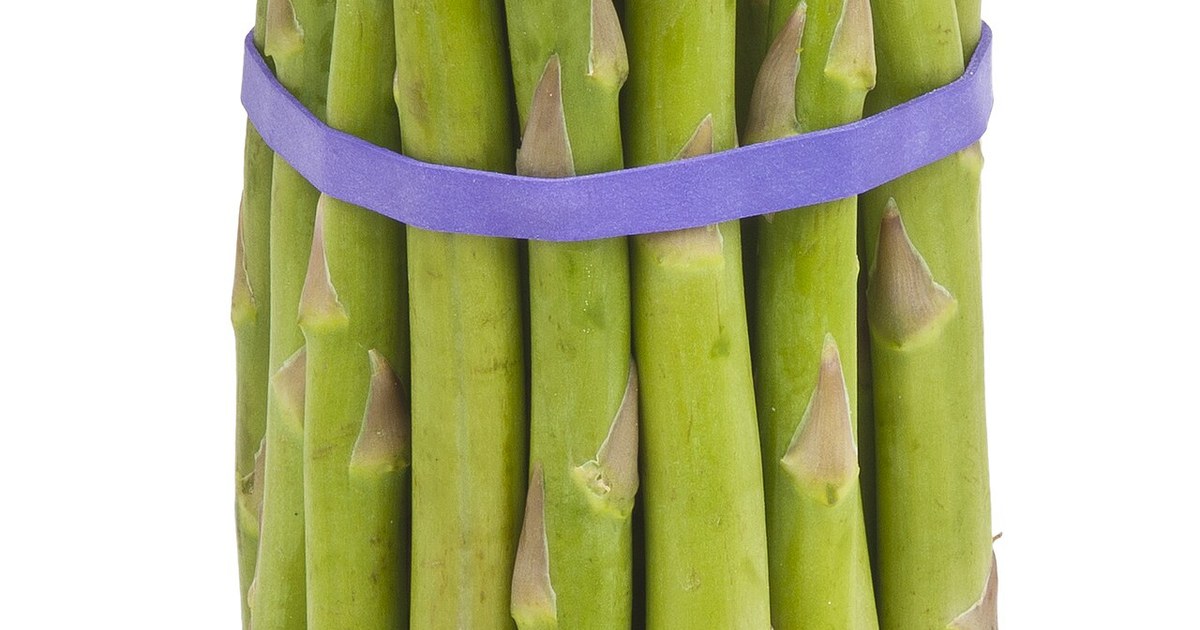
Asparagus is a perennial vegetable that produces for 15 to 20 years. A raised bed gives it the deep, well-drained soil it needs.
Why a raised bed suits asparagus
Asparagus roots extend 6 feet or more into the soil. In a raised bed you can provide a deep, loose, well-drained mix that would be hard to achieve in heavy ground. The bed also warms up faster in spring, giving an earlier harvest, and keeps the crowns above waterlogged soil.
A bed 12 to 18 inches deep and 3 to 4 feet wide is ideal. Asparagus is planted in rows, and a wider bed allows two rows with space between them.
Soil preparation
Asparagus needs a pH between 6.5 and 7.5. Test the soil and add lime if it is too acidic. Work in plenty of compost or well-rotted manure before planting. The soil should be free of weeds, especially perennial weeds, since asparagus does not compete well.
Remove all weeds by hand before planting. Asparagus beds are difficult to weed once established, so a clean start matters. A thick layer of mulch after planting helps keep weeds down.
Planting crowns
Plant one-year-old crowns in early spring, as soon as the soil can be worked. Dig a trench 8 to 10 inches deep and 12 inches wide. Spread the roots over a small mound of soil at the bottom and cover with 2 inches of soil. As the spears grow, gradually fill in the trench until it is level with the bed surface.
Space crowns 12 to 18 inches apart in rows 3 to 4 feet apart. Water well after planting. Do not harvest in the first year; let the plants grow and build their root systems.
Watering and feeding
Water deeply during dry spells, especially in the first two years. Established plants are drought-tolerant but produce better with consistent moisture. Mulch helps hold moisture and suppress weeds.
Feed in early spring with a balanced fertilizer before the spears emerge. Top-dress with compost in autumn after the ferns die back. Asparagus is a heavy feeder and responds well to annual feeding.
Harvesting
In the second year, harvest lightly for two to three weeks. In the third year and beyond, harvest for six to eight weeks. Cut spears when they are 6 to 8 inches tall, using a knife or asparagus cutter. Cut just below the soil surface.
Stop harvesting when the spears become thin, less than a pencil in diameter. Let the remaining spears grow into ferns, which feed the roots for next year. Do not cut the ferns until they have turned brown in autumn.
Long-term care
Keep the bed weed-free and mulched. In autumn, cut the brown ferns to the ground and remove them to reduce disease. Top-dress with compost. In very cold regions, mulch heavily for winter protection.
Asparagus beds decline after 15 to 20 years as the crowns become crowded. When yields drop, start a new bed in a different part of the garden. Do not replant asparagus in the same soil for several years.
Field notes and finer details
Why a raised bed suits asparagus
Asparagus roots extend 6 feet or more. A raised bed provides deep, loose, well-drained soil. The bed warms faster in spring and keeps crowns above waterlogged soil.
Planting crowns
Plant one-year-old crowns in early spring. Dig a trench 8 to 10 inches deep. Spread roots over a mound and cover with 2 inches of soil. Fill gradually as spears grow.
Harvesting
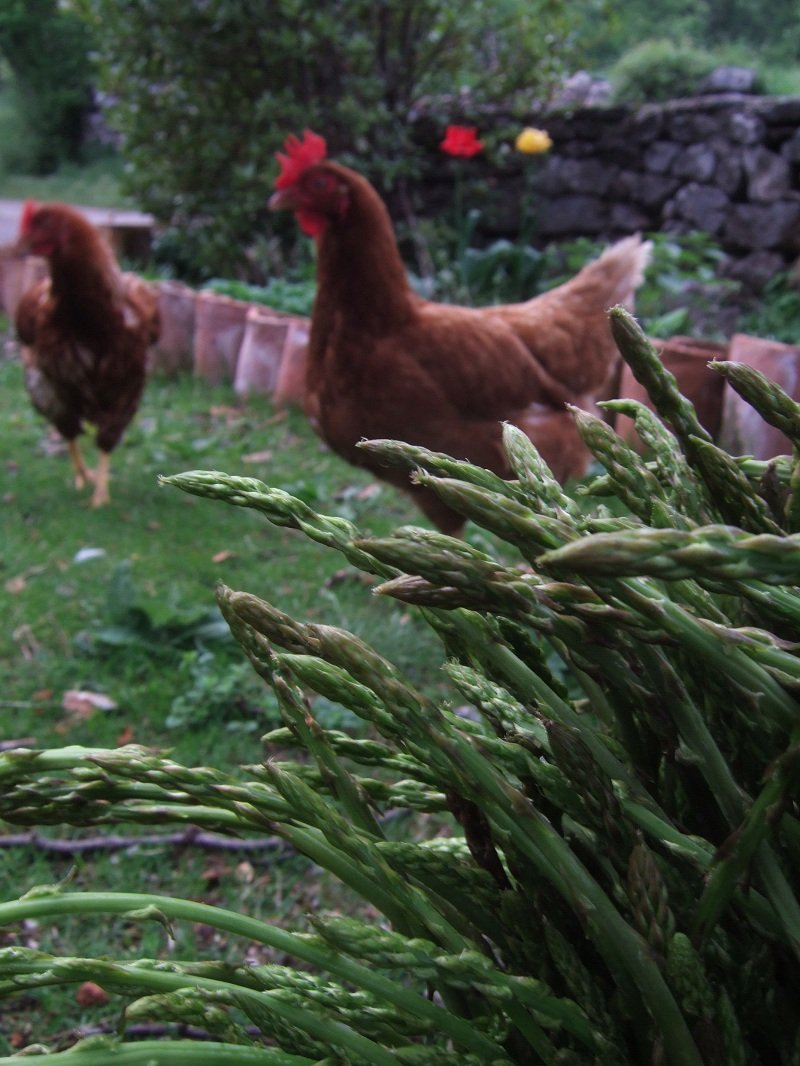
Harvest lightly in year two. From year three, harvest for six to eight weeks. Cut spears when 6 to 8 inches tall. Stop when spears become thin.
Watering and feeding
Water deeply during dry spells, especially in the first two years. Established plants are drought-tolerant but produce better with consistent moisture. Mulch helps hold moisture and suppress weeds.
Feed in early spring with a balanced fertilizer before the spears emerge. Top-dress with compost in autumn after the ferns die back. Asparagus is a heavy feeder.
Long-term care
Keep the bed weed-free and mulched. In autumn, cut the brown ferns to the ground and remove them to reduce disease. Top-dress with compost. In very cold regions, mulch heavily for winter protection.
Soil preparation
Asparagus needs a pH between 6.5 and 7.5. Test the soil and add lime if too acidic. Work in plenty of compost before planting. The soil should be free of weeds, especially perennial weeds.
Planting crowns
Plant one-year-old crowns in early spring. Dig a trench 8 to 10 inches deep. Spread roots over a mound and cover with 2 inches of soil. Fill gradually as spears grow. Space crowns 12 to 18 inches apart.
Harvesting
In the second year, harvest lightly for two to three weeks. From the third year, harvest for six to eight weeks. Cut spears when 6 to 8 inches tall. Stop when spears become thin.
Let the remaining spears grow into ferns, which feed the roots. Do not cut the ferns until they have turned brown in autumn.
Why a raised bed suits asparagus
Asparagus roots extend 6 feet or more into the soil. In a raised bed you can provide a deep, loose, well-drained mix. The bed also warms up faster in spring, giving an earlier harvest, and keeps the crowns above waterlogged soil.
A bed 12 to 18 inches deep and 3 to 4 feet wide is ideal. Asparagus is planted in rows, and a wider bed allows two rows with space between them.
Watering and feeding
Water deeply during dry spells, especially in the first two years. Established plants are drought-tolerant but produce better with consistent moisture. Mulch helps hold moisture and suppress weeds.
Feed in early spring with a balanced fertilizer before the spears emerge. Top-dress with compost in autumn after the ferns die back. Asparagus is a heavy feeder.
Common questions
How long until asparagus produces?
Light harvest in year two, full harvest from year three.
How deep should a raised bed be for asparagus?
12 to 18 inches deep.
How long does an asparagus bed last?
15 to 20 years.