How to Get Rid of Ants From Garden: A Premium Guide to Protecting Your Plants

Ants are fascinating creatures, but when they invade your garden, they can quickly become a nuisance. While ants themselves don’t usually harm plants directly, they often protect and farm pests like aphids, mealybugs, and scale insects—creatures that do damage your plants by sucking sap and spreading disease. If left unchecked, ant colonies can destabilize soil, disturb roots, and compromise the health of your garden.
In this premium guide, we’ll explore how to get rid of ants from garden safely and effectively, using natural remedies, preventive strategies, and eco-friendly solutions that protect both your plants and the environment.

🐜 Why Ants Invade Gardens
Ants are drawn to gardens for several reasons:
- Food sources: Nectar, honeydew from aphids, and decaying organic matter.
- Shelter: Loose soil provides ideal nesting sites.
- Moisture: Gardens often have consistent water sources.
Understanding why ants are present helps you target the root cause rather than just treating the symptoms.
🌱 Natural Methods to Get Rid of Ants
1. Boiling Water Treatment
Pouring boiling water directly into ant nests can eliminate colonies quickly.
- Best for visible mounds.
- Repeat as needed for stubborn colonies.
2. Diatomaceous Earth (DE)
A natural powder made from fossilized algae.
- Sprinkle around plants and ant trails.
- Cuts through ants’ exoskeletons, dehydrating them.
- Safe for humans and pets when food-grade DE is used.
3. Vinegar Spray
Mix equal parts vinegar and water.
- Spray directly on ant trails and entry points.
- Disrupts scent trails and repels ants.
4. Cinnamon or Coffee Grounds
Strong scents confuse ants and deter them from nesting.
- Sprinkle around garden beds.
- Acts as a natural repellent without harming plants.
5. Soap and Water Solution
Mix a few drops of liquid soap with water.
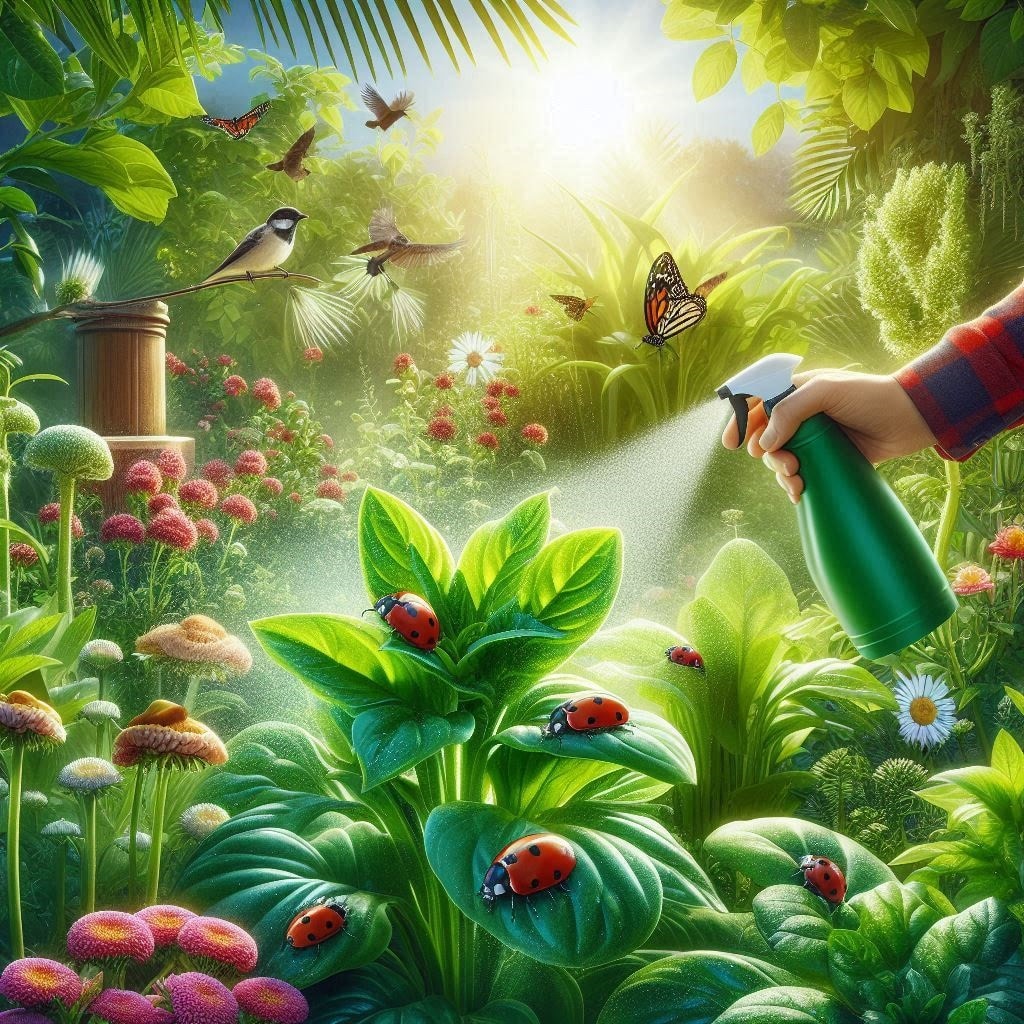
- Spray on ants and aphid colonies.
- Breaks down protective coatings, killing pests.
🌿 Eco-Friendly Preventive Strategies
Control Aphids and Sap-Sucking Insects
Since ants farm aphids for honeydew, eliminating aphids reduces ant presence.
- Use neem oil or insecticidal soap.
- Encourage ladybugs and lacewings (natural predators).
Maintain Clean Garden Beds
- Remove fallen fruit, decaying leaves, and excess mulch.
- Keep compost piles covered.
Water Management
- Avoid overwatering, which attracts ants.
- Fix leaky hoses or irrigation systems.
Seal Entry Points
If ants are migrating from nearby structures, seal cracks and crevices around your home.
🧪 Homemade Ant Repellent Recipes
- Citrus Peel Spray: Boil citrus peels in water, cool, and spray around plants.
- Essential Oil Mix: Combine peppermint or tea tree oil with water and spray on ant trails.
- Cornmeal Trap: Place cornmeal near ant colonies. Ants eat it but cannot digest it, eventually reducing populations.
📊 Comparison: Natural vs. Chemical Solutions
| Method | Pros | Cons |
|---|---|---|
| Natural remedies | Safe, eco-friendly, inexpensive | May require repetition |
| Chemical pesticides | Fast, effective | Harmful to beneficial insects, soil, and the environment |
🧠 When to Use Professional Help
If ant infestations persist despite natural remedies, consider professional pest control. This is especially important if:
- Colonies are large and widespread.
- Ants are damaging tree roots or vegetable crops.
- You suspect invasive species like fire ants.
📝 Final Thoughts: Balance, Not Eradication
Ants play a role in ecosystems, aerating soil and recycling organic matter. The goal isn’t to eradicate them but to manage their presence so they don’t harm your plants. By combining natural repellents, preventive strategies, and mindful garden care, you can enjoy a thriving, ant-free garden.