How to Get Rid of Pests in Garden: A Premium Guide to Protecting Your Plants
Gardening is a rewarding pursuit, but nothing tests a gardener’s patience more than pests. From tiny aphids sucking sap to larger invaders like caterpillars chewing leaves, pests can quickly undo months of hard work. The good news is that with the right strategies, you can manage pests effectively without compromising the health of your plants or the environment.
This premium guide explores how to get rid of pests in garden using natural remedies, preventive practices, and eco-friendly solutions. By the end, you’ll have a clear roadmap to keep your garden thriving and pest-free.

🐛 Common Garden Pests
Before tackling pests, it’s important to know your enemies:
- Aphids: Small insects that cluster on stems and leaves, secreting sticky honeydew.
- Whiteflies: Tiny flying insects that weaken plants by sucking sap.
- Caterpillars: Leaf-chewing larvae that can strip plants overnight.
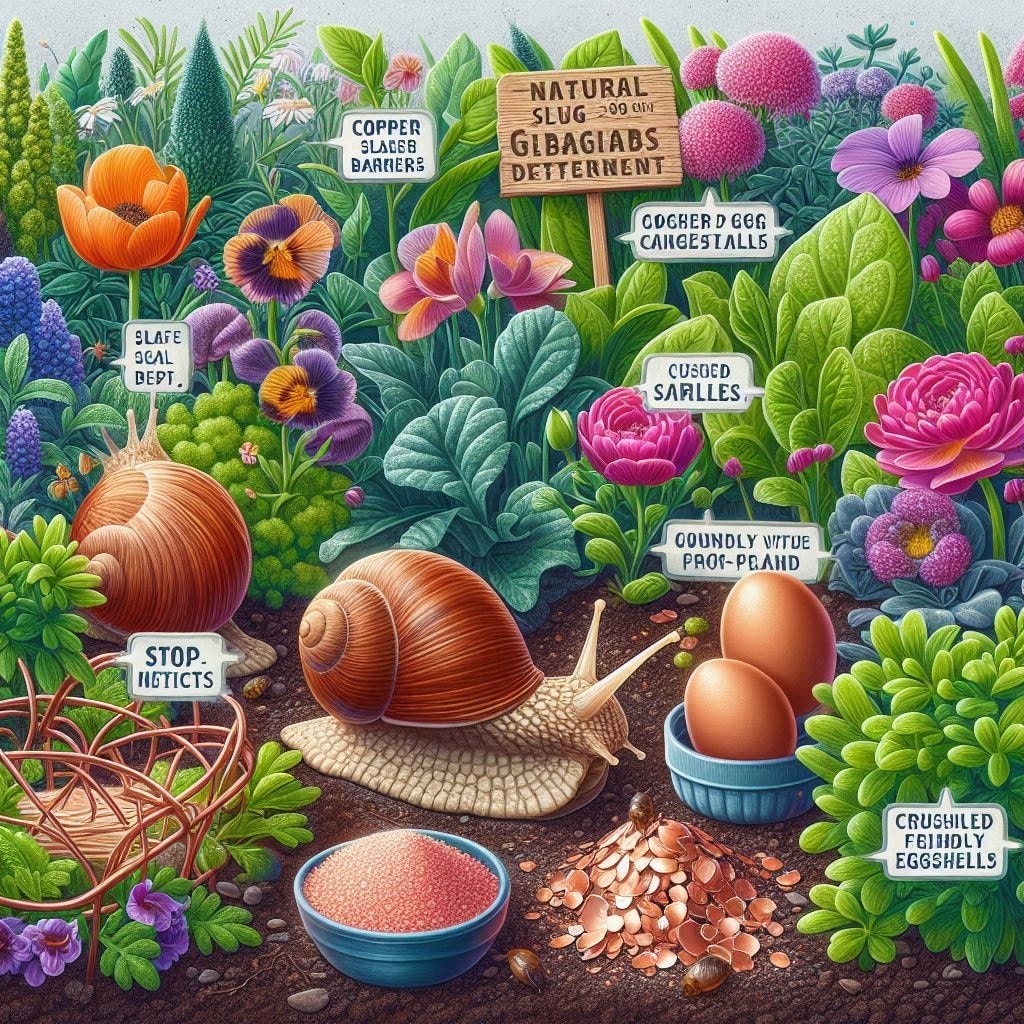
- Slugs and Snails: Moisture-loving pests that leave holes in leaves.
- Spider Mites: Microscopic pests that cause yellow speckling and webbing.
- Cutworms: Soil-dwelling larvae that cut seedlings at the base.
🌱 Natural Methods to Get Rid of Pests
1. Neem Oil Spray
- Derived from the neem tree, this oil disrupts pest feeding and reproduction.
- Mix with water and spray directly on affected plants.
- Effective against aphids, whiteflies, and mites.
2. Soap and Water Solution
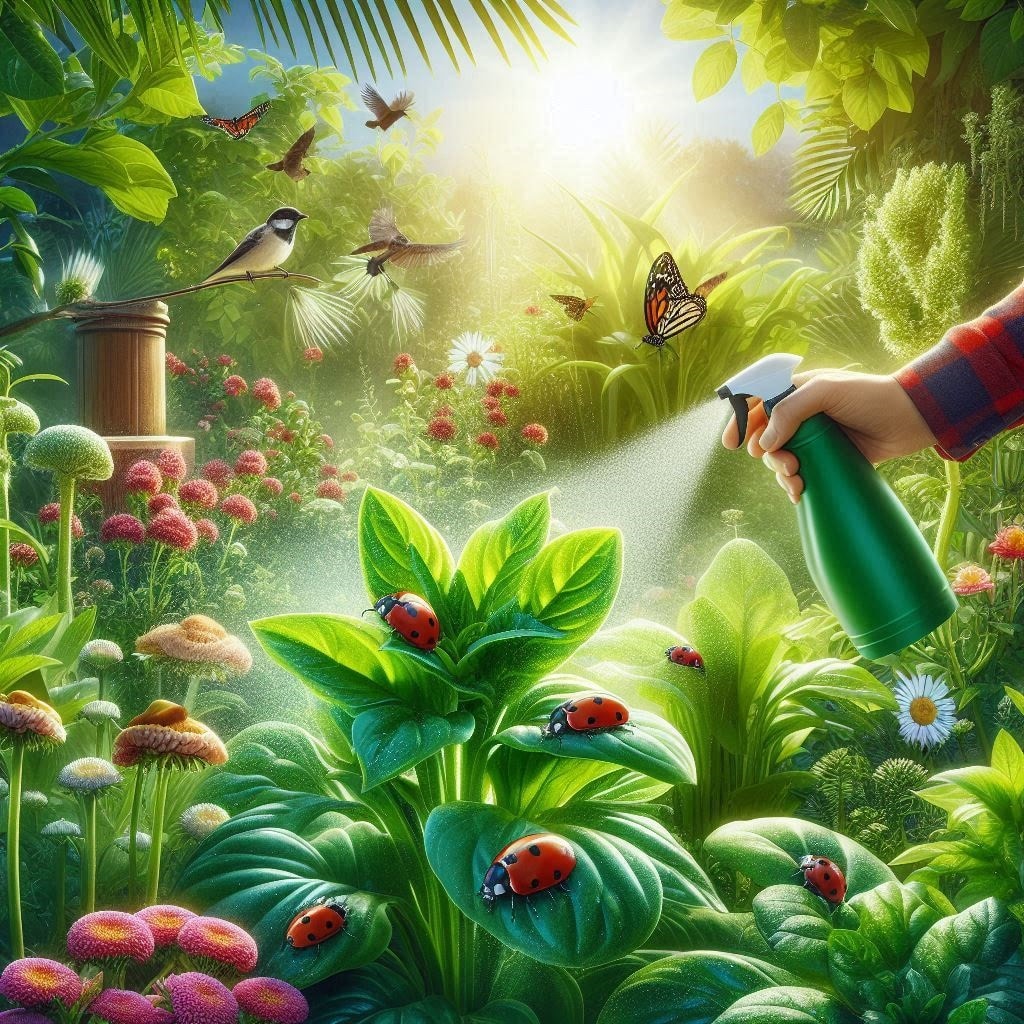
- A few drops of mild liquid soap in water can suffocate soft-bodied pests.
- Spray on leaves to control aphids and mealybugs.
3. Diatomaceous Earth (DE)
- A natural powder that dehydrates crawling insects.
- Sprinkle around plants to deter slugs, beetles, and ants.
4. Companion Planting
- Planting pest-repelling species like marigolds, basil, and garlic near vulnerable crops.
- Encourages biodiversity and deters harmful insects.
5. Handpicking
- For larger pests like caterpillars and beetles, manual removal is effective.
- Inspect plants daily, especially in the morning.
🌿 Eco-Friendly Preventive Strategies
Encourage Beneficial Insects
- Ladybugs, lacewings, and parasitic wasps prey on aphids and caterpillars.
- Attract them by planting dill, fennel, and yarrow.
Maintain Healthy Soil
- Strong plants resist pests better.
- Use compost and organic fertilizers to enrich soil.
Rotate Crops
- Prevents pests from establishing permanent colonies.
- Rotate vegetables seasonally to disrupt pest life cycles.
Mulching
- Organic mulch deters soil-dwelling pests and conserves moisture.
- Also reduces weed growth, which can harbor insects.
🧪 Homemade Pest Control Recipes
- Garlic Spray: Blend garlic cloves with water, strain, and spray to repel insects.
- Chili Pepper Spray: Mix chili powder with water and a few drops of soap for a natural deterrent.
- Essential Oils: Peppermint, eucalyptus, and tea tree oils repel many pests when diluted and sprayed.
📊 Comparison: Natural vs. Chemical Solutions
| Method | Pros | Cons |
|---|---|---|
| Natural remedies | Safe, eco-friendly, inexpensive | May require repetition |
| Chemical pesticides | Fast, effective | Harmful to beneficial insects, soil, and the environment |
🧠 When to Use Professional Help
If infestations persist despite natural remedies, consider professional pest control. This is especially important if:
- Colonies are large and widespread.
- Pests are damaging trees or perennial crops.
- You suspect invasive species like locusts or fire ants.
📝 Final Thoughts: Balance, Not Eradication
Gardens are ecosystems, and pests are part of that balance. The goal isn’t to eliminate them but to manage their presence so they don’t overwhelm your plants. By combining natural repellents, preventive strategies, and mindful garden care, you can enjoy a thriving, pest-free garden.
Remember: healthy soil, diverse planting, and consistent observation are your best defenses. With patience and persistence, you’ll transform your garden into a resilient sanctuary where plants flourish, and pests stay under control.