
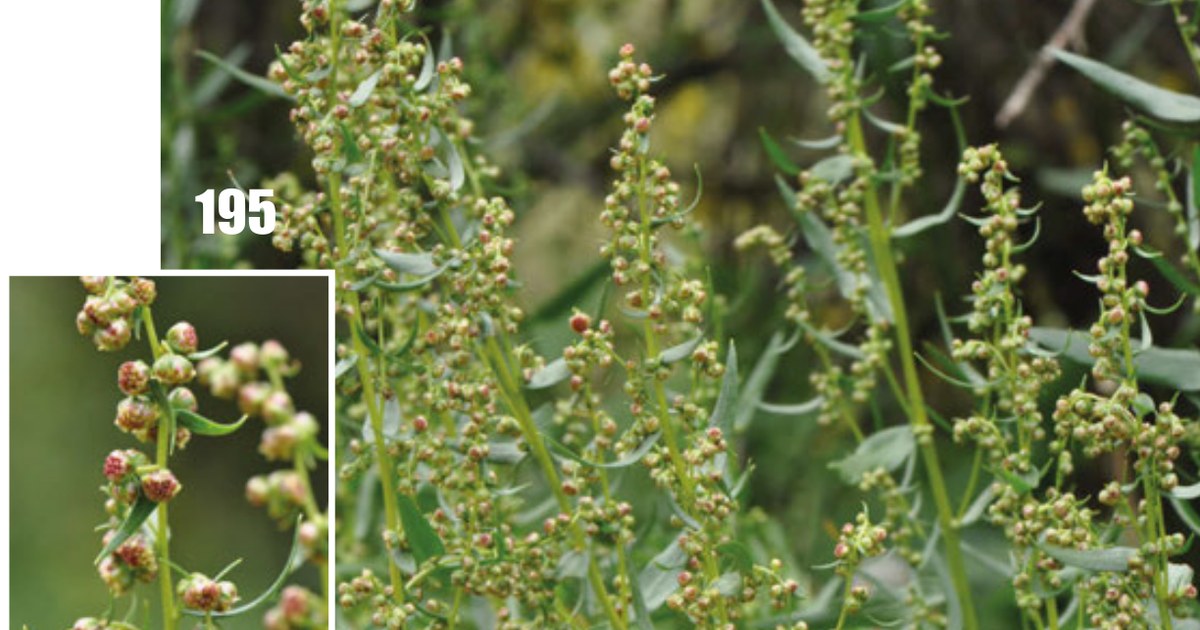
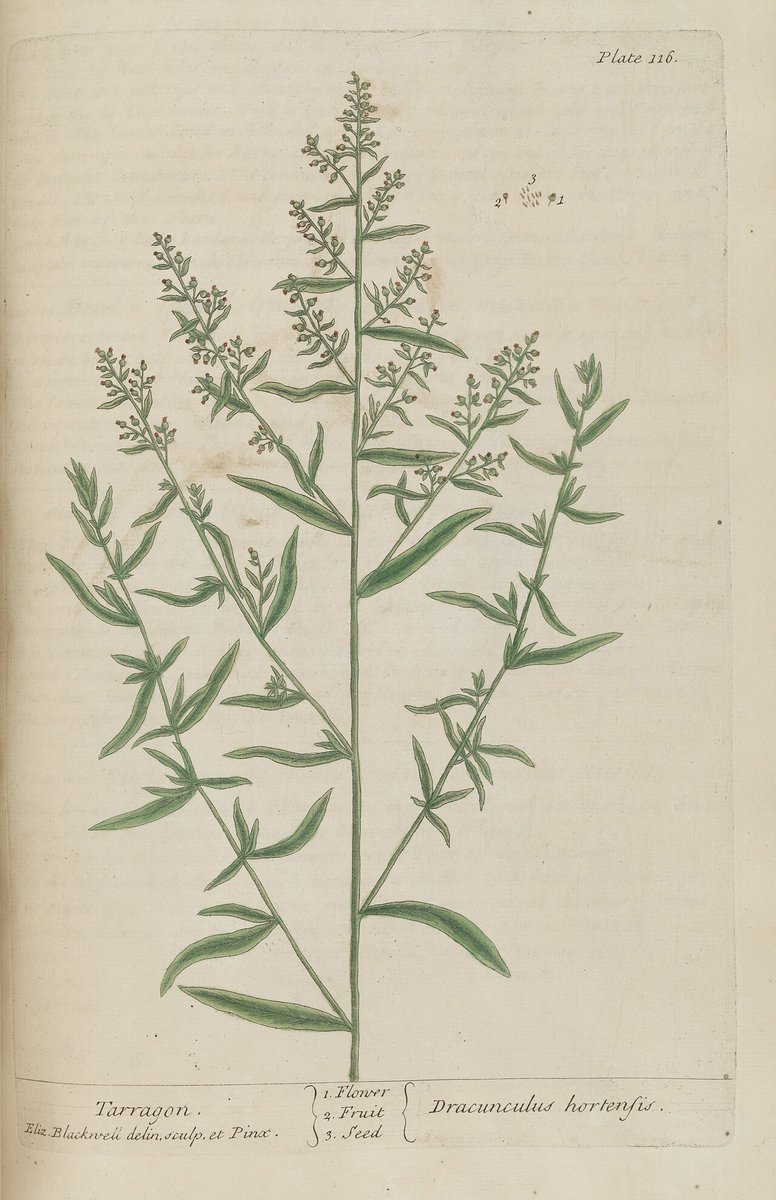
Tarragon is a perennial herb with a distinctive anise flavour. French tarragon is the culinary variety and is grown from cuttings.
Light and temperature
Tarragon needs bright light and a suitable temperature for healthy growth. A sunny windowsill or grow light keeps the plant compact and productive. Good air circulation reduces disease.
Soil and watering
Use a standard potting mix with good drainage. Water when the top inch of soil feels dry, and water thoroughly until it drains. Empty the saucer after watering. Avoid waterlogging, which causes root rot.
Harvesting
Begin harvesting when the plant is well established. Cut outer leaves or sprigs with scissors, leaving the centre to grow. Take no more than a third at a time. Regular harvesting keeps the plant productive.
Common problems
Aphids and spider mites can appear in dry conditions. Rinse the plant with water or use insecticidal soap. Powdery mildew appears in humid, still air; improve airflow. Yellow leaves usually mean overwatering.
Field notes and finer details
Light and temperature
Tarragon needs at least 6 hours of direct sun. A south-facing window is best. It prefers cooler temperatures, around 60 to 70°F. Good air circulation is important.
Soil and watering
Use a free-draining mix with perlite. Tarragon hates wet feet. Water when the top 2 inches are dry. Empty the saucer after watering.
Propagation
French tarragon does not produce viable seed. Propagate by division or cuttings in spring. Russian tarragon grows from seed but has a weaker flavour.
Light and temperature
Tarragon needs at least 6 hours of direct sun. A south-facing window is best. It prefers cooler temperatures, around 60 to 70°F (15-21°C). Good air circulation is important.
Soil and watering
Use a free-draining mix with perlite. Tarragon hates wet feet. Water when the top 2 inches are dry. Empty the saucer after watering.
Pruning and harvest
Pinch the tips to keep the plant compact. Harvest sprigs as needed. Regular harvesting serves as pruning. Do not remove more than a third at once.
Common problems
Root rot is the main issue and is caused by overwatering. Powdery mildew appears in humid conditions. Improve airflow and avoid wetting the foliage. Spider mites can appear in dry rooms.
Propagation
French tarragon does not produce viable seed. Propagate by division or cuttings in spring. Russian tarragon grows from seed but has a weaker flavour.
Light and temperature
Tarragon needs at least 6 hours of direct sun. A south-facing window is best. It prefers cooler temperatures, around 60 to 70°F (15-21°C). Good air circulation is important.
Soil and watering
Use a free-draining mix with perlite. Tarragon hates wet feet. Water when the top 2 inches are dry. Empty the saucer after watering.
Common problems
Root rot is the main issue and is caused by overwatering. Powdery mildew appears in humid conditions. Improve airflow and avoid wetting the foliage. Spider mites can appear in dry rooms.
Light and temperature
Tarragon needs at least 6 hours of direct sun. A south-facing window is best. It prefers cooler temperatures, around 60 to 70°F (15-21°C). Good air circulation is important.
Soil and watering
Use a free-draining mix with perlite. Tarragon hates wet feet. Water when the top 2 inches are dry. Empty the saucer after watering.
Pruning and harvest
Pinch the tips to keep the plant compact. Harvest sprigs as needed. Regular harvesting serves as pruning. Do not remove more than a third at once.
Propagation
French tarragon does not produce viable seed. Propagate by division or cuttings in spring. Russian tarragon grows from seed but has a weaker flavour.
Light and temperature
Tarragon needs at least 6 hours of direct sun. A south-facing window is best. It prefers cooler temperatures, around 60 to 70°F (15-21°C). Good air circulation is important.
Soil and watering
Use a free-draining mix with perlite. Tarragon hates wet feet. Water when the top 2 inches are dry. Empty the saucer after watering.
Propagation
French tarragon does not produce viable seed. Propagate by division or cuttings in spring. Russian tarragon grows from seed but has a weaker flavour.
Uses
Tarragon leaves flavour chicken, fish, and sauces. French tarragon is the culinary variety. Use fresh leaves for the best flavour.
Uses
Tarragon leaves flavour chicken, fish, and sauces. French tarragon is the culinary variety. Use fresh leaves for the best flavour.
Soil and watering
Use a free-draining mix with perlite. Tarragon hates wet feet. Water when the top 2 inches are dry. Empty the saucer after watering.
Common questions
Can tarragon grow in low light?
No, it needs bright light.
Why is my tarragon weak?
Possibly Russian tarragon, which has a weaker flavour. Use French tarragon.
How often should I water tarragon?
When the top 2 inches of soil are dry.