
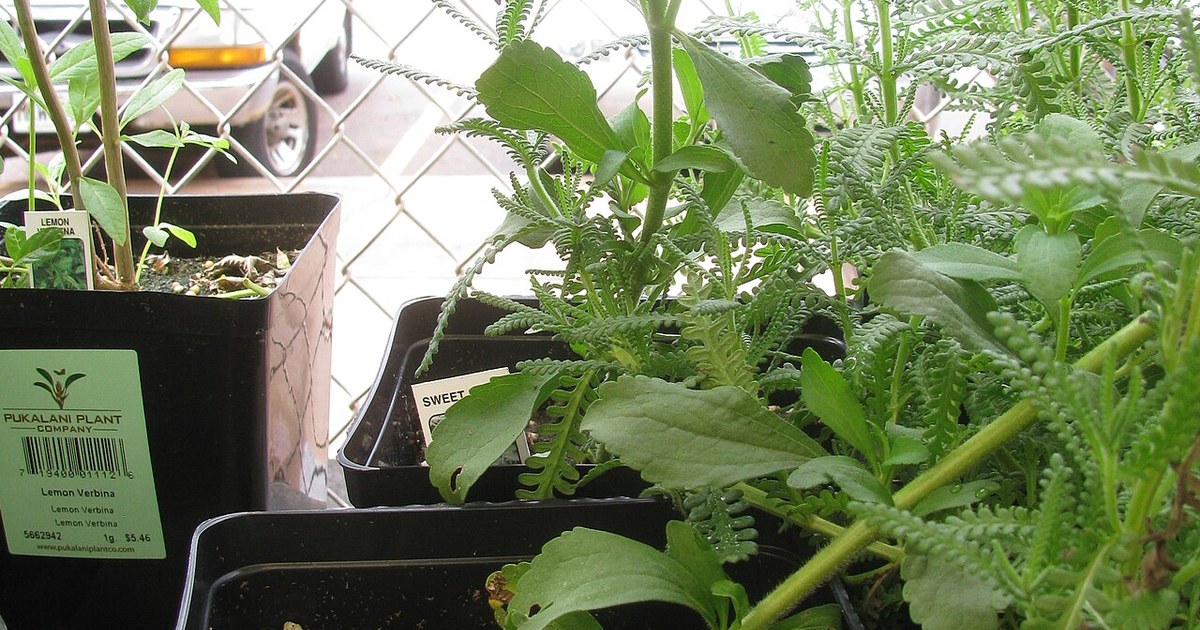
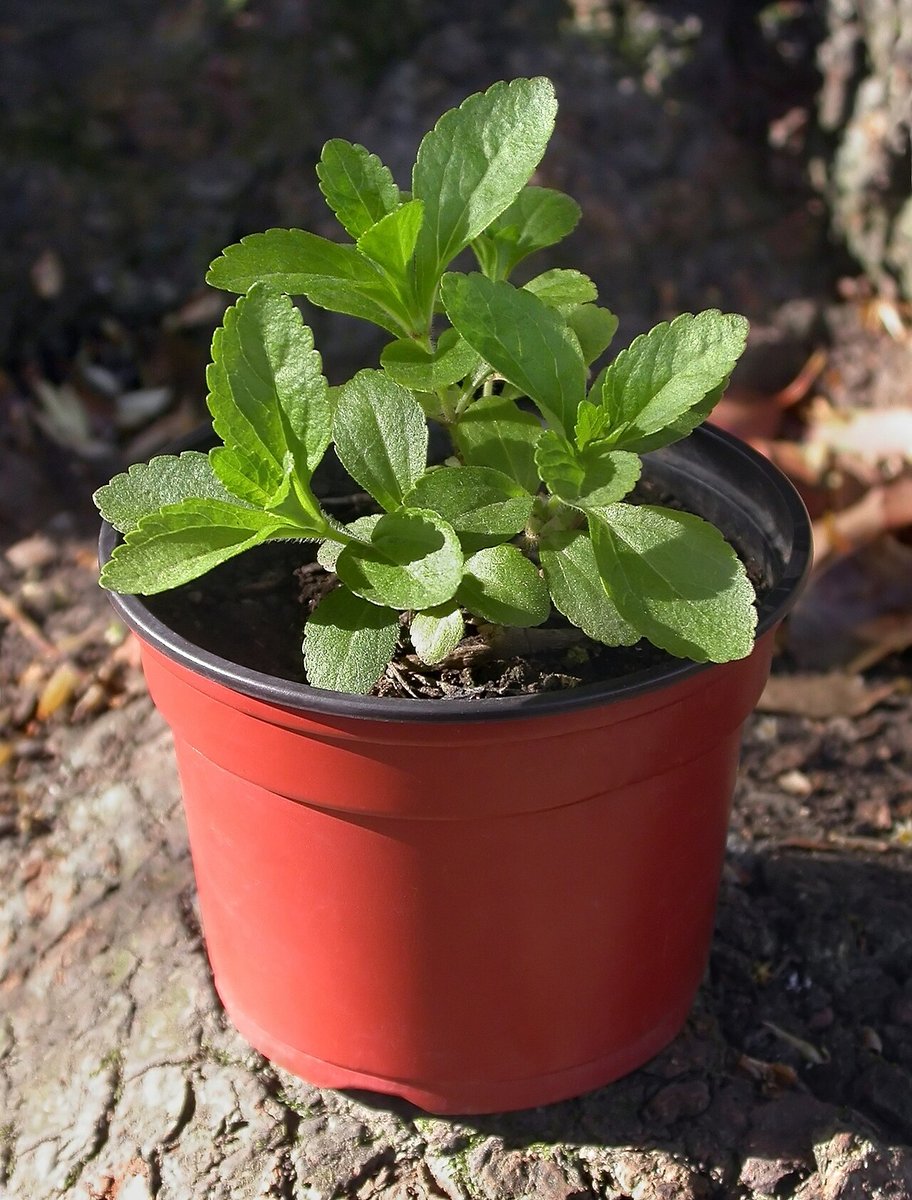
Stevia is a natural sweetener herb that can be grown indoors with bright light and careful watering. A single plant can supply fresh leaves for months.
Light and temperature
Stevia needs bright light and a suitable temperature for healthy growth. A sunny windowsill or grow light keeps the plant compact and productive. Good air circulation reduces disease.
Soil and watering
Use a standard potting mix with good drainage. Water when the top inch of soil feels dry, and water thoroughly until it drains. Empty the saucer after watering. Avoid waterlogging, which causes root rot.
Harvesting
Begin harvesting when the plant is well established. Cut outer leaves or sprigs with scissors, leaving the centre to grow. Take no more than a third at a time. Regular harvesting keeps the plant productive.
Common problems
Aphids and spider mites can appear in dry conditions. Rinse the plant with water or use insecticidal soap. Powdery mildew appears in humid, still air; improve airflow. Yellow leaves usually mean overwatering.
Field notes and finer details
Light and temperature
Stevia needs at least 6 hours of direct sun. A south-facing window is best. It prefers warm temperatures, around 70 to 85°F. It does not tolerate frost.
Soil and watering
Use a standard potting mix with good drainage. Stevia likes moisture but not waterlogging. Water when the top inch is dry. Empty the saucer after watering.
Uses
Stevia leaves can be used fresh or dried to sweeten drinks and desserts. Dry the leaves and grind them into a powder. The sweetness is much stronger than sugar.
Light and temperature
Stevia needs at least 6 hours of direct sun. A south-facing window is best. It prefers warm temperatures, around 70 to 85°F (21-29°C). It does not tolerate frost.
Soil and watering
Use a standard potting mix with good drainage. Stevia likes moisture but not waterlogging. Water when the top inch is dry. Empty the saucer after watering.
Pruning and harvest
Pinch the tips to keep the plant bushy. Harvest leaves as needed. The leaves are sweetest just before flowering. Regular harvesting serves as pruning.
Common problems
Aphids cluster on new growth. Rinse them off. Powdery mildew appears in humid conditions. Improve airflow and avoid wetting the foliage. Root rot is caused by overwatering.
Uses
Stevia leaves can be used fresh or dried to sweeten drinks and desserts. Dry the leaves and grind them into a powder. The sweetness is much stronger than sugar.
Light and temperature
Stevia needs at least 6 hours of direct sun. A south-facing window is best. It prefers warm temperatures, around 70 to 85°F (21-29°C). It does not tolerate frost.
Soil and watering
Use a standard potting mix with good drainage. Stevia likes moisture but not waterlogging. Water when the top inch is dry. Empty the saucer after watering.
Common problems
Aphids cluster on new growth. Rinse them off. Powdery mildew appears in humid conditions. Improve airflow and avoid wetting the foliage. Root rot is caused by overwatering.
Light and temperature
Stevia needs at least 6 hours of direct sun. A south-facing window is best. It prefers warm temperatures, around 70 to 85°F (21-29°C). It does not tolerate frost.
Soil and watering
Use a standard potting mix with good drainage. Stevia likes moisture but not waterlogging. Water when the top inch is dry. Empty the saucer after watering.
Pruning and harvest
Pinch the tips to keep the plant bushy. Harvest leaves as needed. The leaves are sweetest just before flowering. Regular harvesting serves as pruning.
Uses
Stevia leaves can be used fresh or dried to sweeten drinks and desserts. Dry the leaves and grind them into a powder. The sweetness is much stronger than sugar.
Light and temperature
Stevia needs at least 6 hours of direct sun. A south-facing window is best. It prefers warm temperatures, around 70 to 85°F (21-29°C). It does not tolerate frost.
Soil and watering
Use a standard potting mix with good drainage. Stevia likes moisture but not waterlogging. Water when the top inch is dry. Empty the saucer after watering.
Uses
Stevia leaves can be used fresh or dried to sweeten drinks and desserts. Dry the leaves and grind them into a powder. The sweetness is much stronger than sugar.
Uses
Stevia leaves can be used fresh or dried to sweeten drinks and desserts. Dry the leaves and grind them into a powder. The sweetness is much stronger than sugar.
Common questions
Can stevia grow in low light?
No, it needs bright light.
Why is my stevia not sweet?
The leaves are sweetest just before flowering. Harvest at the right time.
How often should I water stevia?
When the top inch of soil is dry.