
Choosing the right compost bin depends on your space, patience, and how much waste you produce. This guide compares the main types.
Types of compost bins
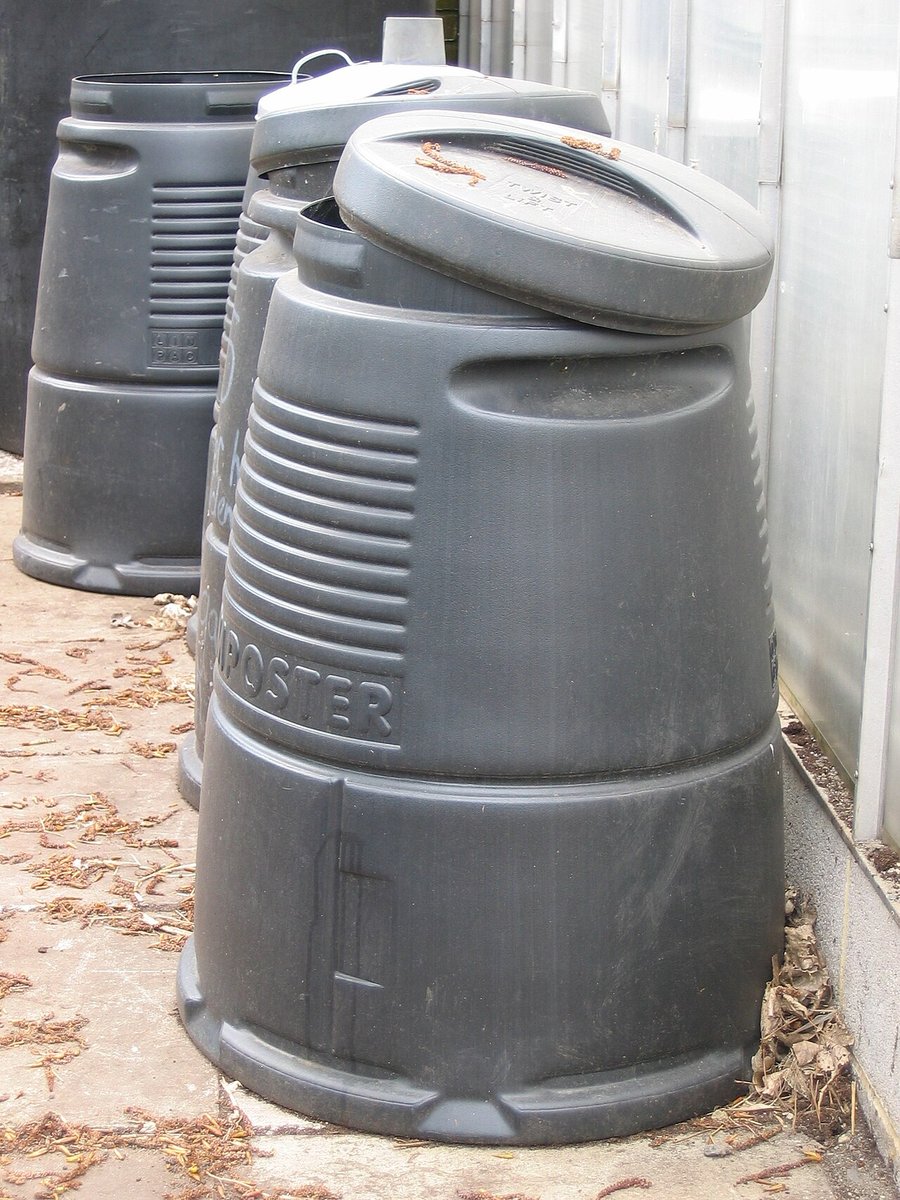
- Tumbler: sealed, rotates for easy turning, fast composting, small capacity.
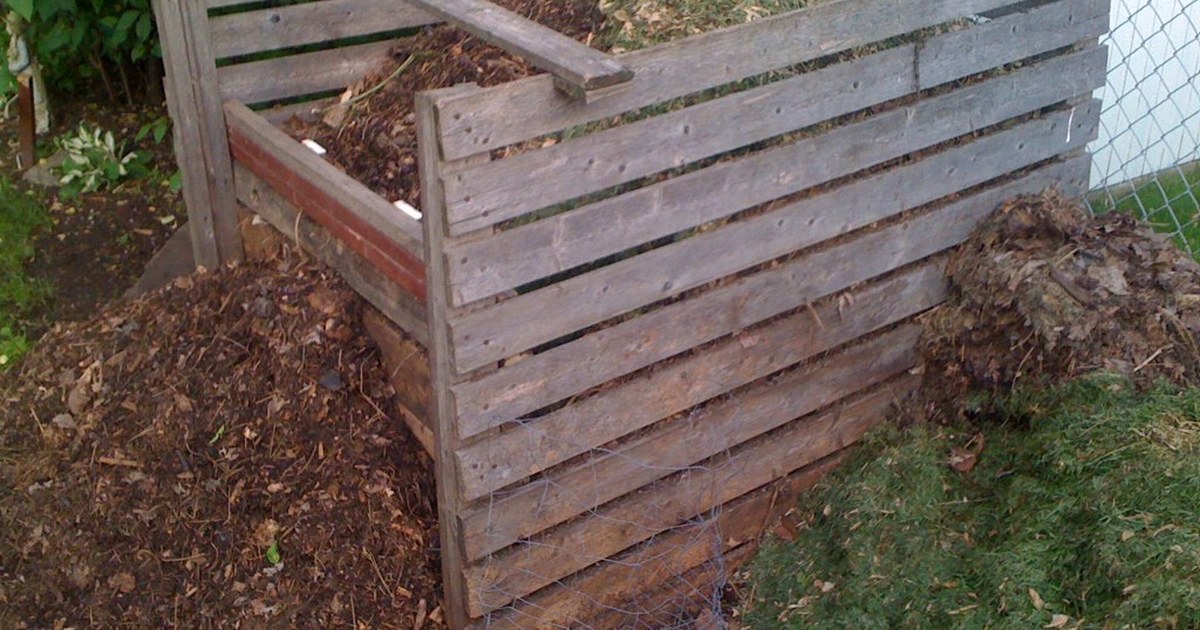
- Stationary bin: large capacity, cheap, needs manual turning.
- Worm bin (vermicomposting): indoor or outdoor, fast, produces worm castings.
- Open pile: free, high capacity, needs space.
Tumbler vs stationary
Tumblers are tidy and fast but have limited capacity and can be hard to turn when full. Stationary bins hold more and are cheaper but need a fork to turn. For a small garden, a tumbler is convenient. For a large garden, a stationary bin or open pile is more practical.
Features to look for
- Capacity: at least 50 gallons for a household of two.
- Ventilation: air holes prevent anaerobic conditions.
- Access: a door at the bottom for removing finished compost.
- Durability: UV-resistant plastic or galvanised steel.
Top picks by type
For small spaces, a dual-chamber tumbler lets one side compost while the other fills. For large gardens, a stationary bin with a removable front panel is practical and affordable. For apartments, a worm bin under the sink produces castings quickly.
Maintenance
Keep the bin in partial shade to prevent drying. Add browns and greens in balance. Turn regularly. A well-maintained bin produces compost in 2 to 6 months.
Field notes and finer details
Tumbler vs stationary
Tumblers are tidy and fast but have limited capacity. Stationary bins hold more and are cheaper but need a fork to turn. For a small garden, a tumbler is convenient. For a large garden, a stationary bin is more practical.
Features to look for
Capacity of at least 50 gallons, ventilation, access door at the bottom, and UV-resistant material. A dual-chamber tumbler lets one side compost while the other fills.
Maintenance
Keep the bin in partial shade. Add browns and greens in balance. Turn regularly. A well-maintained bin produces compost in 2 to 6 months.
Types of compost bins
- Tumbler: sealed, rotates for easy turning, fast composting, small capacity.
- Stationary bin: large capacity, cheap, needs manual turning.
- Worm bin (vermicomposting): indoor or outdoor, fast, produces worm castings.
- Open pile: free, high capacity, needs space.
Tumbler vs stationary
Tumblers are tidy and fast but have limited capacity and can be hard to turn when full. Stationary bins hold more and are cheaper but need a fork to turn. For a small garden, a tumbler is convenient. For a large garden, a stationary bin or open pile is more practical.
Features to look for
- Capacity: at least 50 gallons for a household of two.
- Ventilation: air holes prevent anaerobic conditions.
- Access: a door at the bottom for removing finished compost.
- Durability: UV-resistant plastic or galvanised steel.
Maintenance
Keep the bin in partial shade to prevent drying. Add browns and greens in balance. Turn regularly. A well-maintained bin produces compost in 2 to 6 months.
Top picks by type
For small spaces, a dual-chamber tumbler lets one side compost while the other fills. For large gardens, a stationary bin with a removable front panel is practical and affordable. For apartments, a worm bin under the sink produces castings quickly.
Top picks by type
For small spaces, a dual-chamber tumbler lets one side compost while the other fills. For large gardens, a stationary bin with a removable front panel is practical and affordable. For apartments, a worm bin under the sink produces castings quickly.
Top picks by type
For small spaces, a dual-chamber tumbler lets one side compost while the other fills. For large gardens, a stationary bin with a removable front panel is practical and affordable. For apartments, a worm bin under the sink produces castings quickly.
Maintenance
Keep the bin in partial shade to prevent drying. Add browns and greens in balance. Turn regularly. A well-maintained bin produces compost in 2 to 6 months.
Tumbler vs stationary
Tumblers are tidy and fast but have limited capacity and can be hard to turn when full. Stationary bins hold more and are cheaper but need a fork to turn. For a small garden, a tumbler is convenient. For a large garden, a stationary bin or open pile is more practical.
Features to look for
Capacity of at least 50 gallons, ventilation, access door at the bottom, and UV-resistant material. A dual-chamber tumbler lets one side compost while the other fills.
Maintenance
Keep the bin in partial shade to prevent drying. Add browns and greens in balance. Turn regularly. A well-maintained bin produces compost in 2 to 6 months.
Top picks by type
For small spaces, a dual-chamber tumbler lets one side compost while the other fills. For large gardens, a stationary bin with a removable front panel is practical and affordable. For apartments, a worm bin under the sink produces castings quickly.
Top picks by type
For small spaces, a dual-chamber tumbler lets one side compost while the other fills. For large gardens, a stationary bin with a removable front panel is practical and affordable. For apartments, a worm bin under the sink produces castings quickly.
Maintenance
Keep the bin in partial shade to prevent drying. Add browns and greens in balance. Turn regularly. A well-maintained bin produces compost in 2 to 6 months.
Common questions
Tumbler or stationary compost bin?
Tumbler for small spaces and speed; stationary for large capacity.
How big should a compost bin be?
At least 50 gallons for a household of two.
How long does compost take?
2 to 6 months depending on method and conditions.