
A good cart or wheelbarrow saves your back and makes hauling easier. This guide compares types and what to look for.
Wheelbarrow vs cart
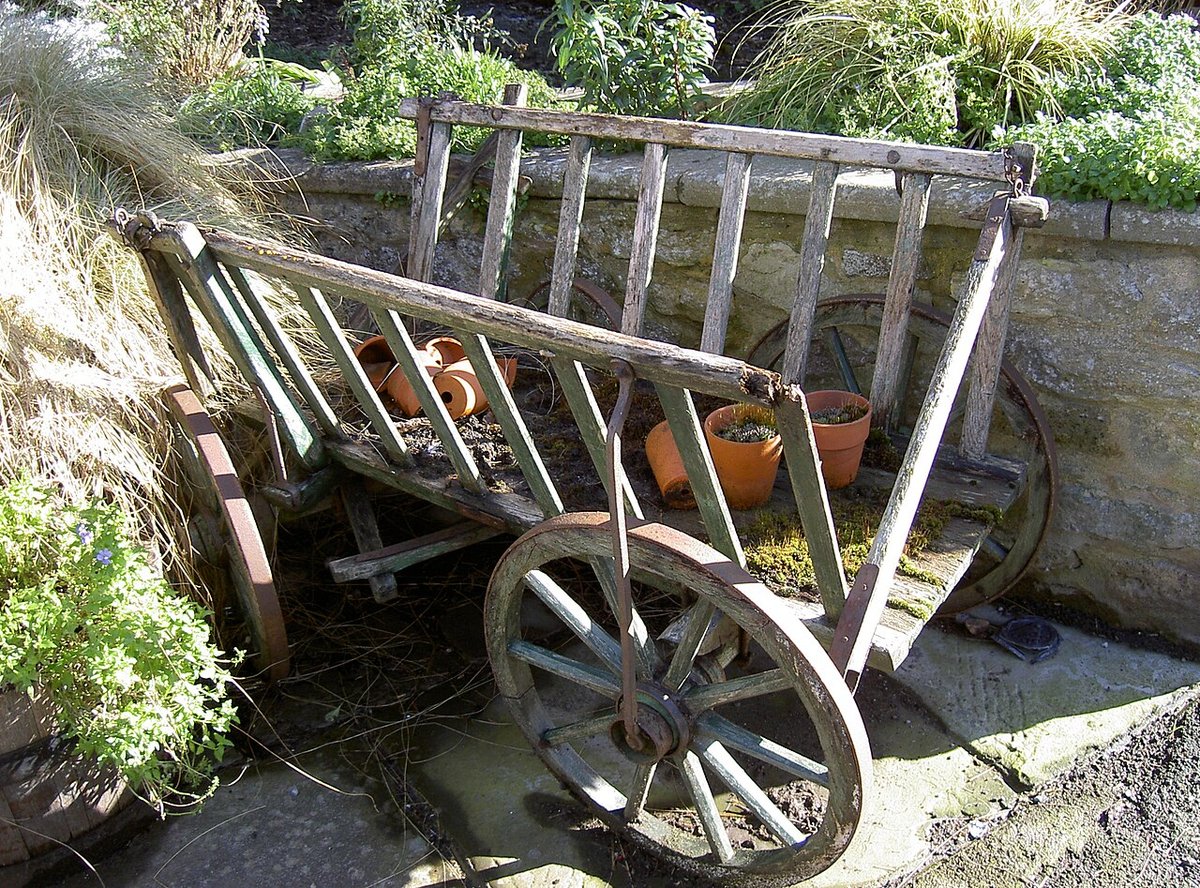
A wheelbarrow has one or two wheels and a tray. It is manoeuvrable in tight spaces and good for dumping. A garden cart has four wheels and a flat bed. It is more stable and easier to pull but less manoeuvrable.
Wheel types
- Pneumatic: smooth ride, handles rough ground, but can puncture.
- Solid rubber: puncture-proof but rougher ride.
- Plastic: light and cheap, for light loads only.
Capacity and material
A 6 to 8 cubic foot tray is enough for most home gardens. Steel trays are durable but rust. Poly trays are lighter and rust-proof but can crack. Look for a rust-resistant frame and a comfortable handle.
Features to look for
- Handle height: should suit your height to avoid back strain.
- Dumping mechanism: a tilting tray saves effort.
- Foldability: useful for storage in small spaces.
- Tire quality: pneumatic with a good tread for rough ground.
Top picks by use
For heavy loads and rough ground, a steel wheelbarrow with a pneumatic tire is the most durable. For light garden work and storage convenience, a poly cart with solid wheels is practical. For large properties, a tow-behind cart for a riding mower saves time.
Maintenance
Keep tires inflated. Oil the axle and pivot. Store under cover to prevent rust. A well-maintained cart lasts years.
Field notes and finer details
Wheelbarrow vs cart
A wheelbarrow has one or two wheels and is manoeuvrable in tight spaces. A garden cart has four wheels and is more stable but less manoeuvrable. Choose based on your yard and tasks.
Wheel types
Pneumatic tires give a smooth ride but can puncture. Solid rubber tires are puncture-proof but rougher. Plastic tires are light and cheap for light loads only.
Maintenance
Keep tires inflated. Oil the axle and pivot. Store under cover to prevent rust. A well-maintained cart lasts years.
Wheelbarrow vs cart
A wheelbarrow has one or two wheels and a tray. It is manoeuvrable in tight spaces and good for dumping. A garden cart has four wheels and a flat bed. It is more stable and easier to pull but less manoeuvrable.
Wheel types
- Pneumatic: smooth ride, handles rough ground, but can puncture.
- Solid rubber: puncture-proof but rougher ride.
- Plastic: light and cheap, for light loads only.
Capacity and material
A 6 to 8 cubic foot tray is enough for most home gardens. Steel trays are durable but rust. Poly trays are lighter and rust-proof but can crack. Look for a rust-resistant frame and a comfortable handle.
Features to look for
- Handle height: should suit your height to avoid back strain.
- Dumping mechanism: a tilting tray saves effort.
- Foldability: useful for storage in small spaces.
- Tire quality: pneumatic with a good tread for rough ground.
Maintenance
Keep tires inflated. Oil the axle and pivot. Store under cover to prevent rust. A well-maintained cart lasts years.
Top picks by use
For heavy loads and rough ground, a steel wheelbarrow with a pneumatic tire is the most durable. For light garden work and storage convenience, a poly cart with solid wheels is practical. For large properties, a tow-behind cart for a riding mower saves time.
Top picks by use
For heavy loads and rough ground, a steel wheelbarrow with a pneumatic tire is the most durable. For light garden work and storage convenience, a poly cart with solid wheels is practical. For large properties, a tow-behind cart for a riding mower saves time.
Top picks by use
For heavy loads and rough ground, a steel wheelbarrow with a pneumatic tire is the most durable. For light garden work and storage convenience, a poly cart with solid wheels is practical. For large properties, a tow-behind cart for a riding mower saves time.
Maintenance
Keep tires inflated. Oil the axle and pivot. Store under cover to prevent rust. A well-maintained cart lasts years.
Wheel types
Pneumatic tires give a smooth ride but can puncture. Solid rubber tires are puncture-proof but rougher. Plastic tires are light and cheap for light loads only.
Capacity and material
A 6 to 8 cubic foot tray is enough for most home gardens. Steel trays are durable but rust. Poly trays are lighter and rust-proof but can crack. Look for a rust-resistant frame and a comfortable handle.
Maintenance
Keep tires inflated. Oil the axle and pivot. Store under cover to prevent rust. A well-maintained cart lasts years.
Top picks by use
For heavy loads and rough ground, a steel wheelbarrow with a pneumatic tire is the most durable. For light garden work and storage convenience, a poly cart with solid wheels is practical. For large properties, a tow-behind cart for a riding mower saves time.
Top picks by use
For heavy loads and rough ground, a steel wheelbarrow with a pneumatic tire is the most durable. For light garden work and storage convenience, a poly cart with solid wheels is practical. For large properties, a tow-behind cart for a riding mower saves time.
Maintenance
Keep tires inflated. Oil the axle and pivot. Store under cover to prevent rust. A well-maintained cart lasts years.
Common questions
Wheelbarrow or garden cart?
Wheelbarrow for tight spaces and dumping; cart for stability and heavy loads.
What capacity do I need?
6 to 8 cubic feet is enough for most home gardens.
Pneumatic or solid tires?
Pneumatic for rough ground; solid for puncture resistance.