
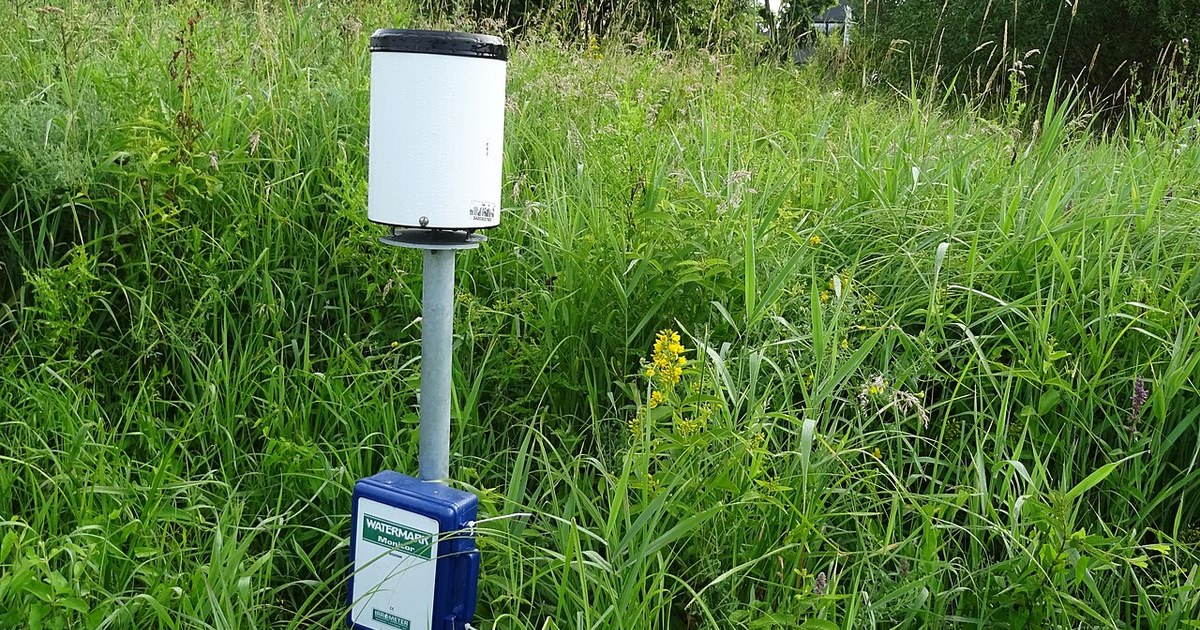
A soil moisture meter takes the guesswork out of watering. This guide compares types and what to look for.
Why use a meter
Overwatering is the most common cause of houseplant death. A moisture meter tells you whether the soil is dry, moist, or wet at root depth, where your finger cannot reach. It is especially useful for large pots and plants that dislike wet feet.
Analog vs digital
Analog meters use a probe and a dial. They are cheap, need no batteries, and are simple. Digital meters are more accurate and may also measure light and pH. They cost more and need batteries.
Accuracy and limitations
No consumer meter is perfectly accurate. They are best used as a trend tool: compare readings over time rather than trusting absolute numbers. Soil composition, temperature, and mineral content affect readings. Calibrate by checking against a known dry and wet sample.
Features to look for
- Probe length: at least 6 inches to reach root depth in large pots.
- Dual or triple sensors: moisture plus light and pH are useful but not essential.
- Display: clear, easy to read in low light.
- Durability: stainless steel probes resist corrosion.
Top picks
For most houseplant owners, a simple analog meter with a long probe is sufficient and reliable. Digital meters suit gardeners who want extra data and are willing to pay more. Avoid the cheapest models, which corrode quickly.
Using a meter correctly
Insert the probe to the same depth each time. Take readings in several spots around the pot. Clean the probe after use and store it dry. Do not leave it in the soil permanently, as this corrodes the probe and gives false readings.
Field notes and finer details
Analog vs digital
Analog meters use a probe and a dial. They are cheap and need no batteries. Digital meters are more accurate and may also measure light and pH. They cost more and need batteries.
Accuracy and limitations
No consumer meter is perfectly accurate. They are best used as a trend tool. Soil composition, temperature, and mineral content affect readings.
Using a meter correctly
Insert the probe to the same depth each time. Take readings in several spots. Clean the probe after use and store it dry. Do not leave it in the soil permanently.
Why use a meter
Overwatering is the most common cause of houseplant death. A moisture meter tells you whether the soil is dry, moist, or wet at root depth, where your finger cannot reach. It is especially useful for large pots and plants that dislike wet feet.
Analog vs digital
Analog meters use a probe and a dial. They are cheap, need no batteries, and are simple. Digital meters are more accurate and may also measure light and pH. They cost more and need batteries.
Accuracy and limitations
No consumer meter is perfectly accurate. They are best used as a trend tool: compare readings over time rather than trusting absolute numbers. Soil composition, temperature, and mineral content affect readings. Calibrate by checking against a known dry and wet sample.
Features to look for
- Probe length: at least 6 inches to reach root depth in large pots.
- Dual or triple sensors: moisture plus light and pH are useful but not essential.
- Display: clear, easy to read in low light.
- Durability: stainless steel probes resist corrosion.
Using a meter correctly
Insert the probe to the same depth each time. Take readings in several spots around the pot. Clean the probe after use and store it dry. Do not leave it in the soil permanently, as this corrodes the probe and gives false readings.
Top picks
For most houseplant owners, a simple analog meter with a long probe is sufficient and reliable. Digital meters suit gardeners who want extra data and are willing to pay more. Avoid the cheapest models, which corrode quickly.
Top picks
For most houseplant owners, a simple analog meter with a long probe is sufficient and reliable. Digital meters suit gardeners who want extra data and are willing to pay more. Avoid the cheapest models, which corrode quickly.
Top picks
For most houseplant owners, a simple analog meter with a long probe is sufficient and reliable. Digital meters suit gardeners who want extra data and are willing to pay more. Avoid the cheapest models, which corrode quickly.
Using a meter correctly
Insert the probe to the same depth each time. Take readings in several spots around the pot. Clean the probe after use and store it dry. Do not leave it in the soil permanently, as this corrodes the probe and gives false readings.
Analog vs digital
Analog meters use a probe and a dial. They are cheap, need no batteries, and are simple. Digital meters are more accurate and may also measure light and pH. They cost more and need batteries.
Accuracy and limitations
No consumer meter is perfectly accurate. They are best used as a trend tool: compare readings over time rather than trusting absolute numbers. Soil composition, temperature, and mineral content affect readings.
Using a meter correctly
Insert the probe to the same depth each time. Take readings in several spots around the pot. Clean the probe after use and store it dry. Do not leave it in the soil permanently, as this corrodes the probe and gives false readings.
Common questions
Are soil moisture meters accurate?
They are useful as trend tools but not perfectly accurate.
Analog or digital moisture meter?
Analog is cheaper and simpler; digital is more accurate.
How deep should I insert the probe?
At least 6 inches to reach root depth in large pots.