
Seed starting trays determine how well seedlings develop before transplanting. This guide compares types and what to look for.
Types of trays
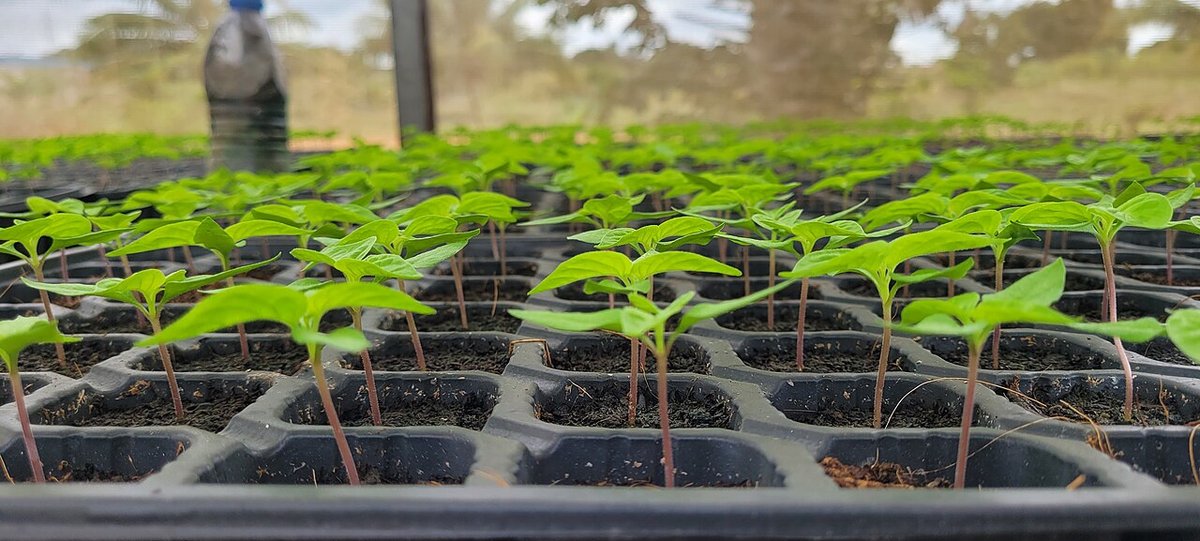
- Cell trays (plug trays): individual cells for each seedling. Easy to transplant. Most common.
- Open flats: one large area. Good for soil blocks and broadcasting. Harder to transplant.
- Soil blocks: compressed soil cubes. No plastic. Excellent root development.
- Peat or coir pots: biodegradable. Plant pot and all. Convenient but can dry out.
Cell size
Small cells (72 to 128 per tray) suit small seeds and short growing periods. Larger cells (32 to 50 per tray) suit tomatoes, peppers, and other plants that stay in the tray longer. Match the cell size to the plant and the time it will spend in the tray.
Material
- Plastic: durable, reusable, and cheap. The standard choice.
- Silicone: flexible, easy to pop seedlings out. More expensive.
- Biodegradable (peat, coir, paper): plant pot and all. Convenient but can dry out and break down too fast.
Features to look for
- Drainage holes: essential for preventing waterlogging.
- Bottom watering: trays with a reservoir make watering easier and reduce disease.
- Durability: thick plastic lasts years; thin plastic cracks after one season.
- Standard size: 10 by 20 inches fits most grow lights and heat mats.
Top picks
For most gardeners, a sturdy 72-cell plastic tray with drainage holes and a bottom-watering reservoir offers the best balance of capacity and convenience. Soil blocks are an excellent plastic-free alternative for those willing to learn the technique.
Field notes and finer details
Cell size
Small cells suit small seeds and short growing periods. Larger cells suit tomatoes, peppers, and other plants that stay in the tray longer. Match the cell size to the plant and the time it will spend in the tray.
Material
Plastic is durable, reusable, and cheap. Silicone is flexible and easy to pop seedlings out. Biodegradable pots are convenient but can dry out and break down too fast.
Features to look for
Drainage holes, bottom watering reservoir, durability, and standard 10 by 20 inch size. Soil blocks are an excellent plastic-free alternative.
Types of trays
- Cell trays (plug trays): individual cells for each seedling. Easy to transplant. Most common.
- Open flats: one large area. Good for soil blocks and broadcasting. Harder to transplant.
- Soil blocks: compressed soil cubes. No plastic. Excellent root development.
- Peat or coir pots: biodegradable. Plant pot and all. Convenient but can dry out.
Cell size
Small cells (72 to 128 per tray) suit small seeds and short growing periods. Larger cells (32 to 50 per tray) suit tomatoes, peppers, and other plants that stay in the tray longer. Match the cell size to the plant and the time it will spend in the tray.
Material
- Plastic: durable, reusable, and cheap. The standard choice.
- Silicone: flexible, easy to pop seedlings out. More expensive.
- Biodegradable (peat, coir, paper): plant pot and all. Convenient but can dry out and break down too fast.
Features to look for
- Drainage holes: essential for preventing waterlogging.
- Bottom watering: trays with a reservoir make watering easier and reduce disease.
- Durability: thick plastic lasts years; thin plastic cracks after one season.
- Standard size: 10 by 20 inches fits most grow lights and heat mats.
Top picks
For most gardeners, a sturdy 72-cell plastic tray with drainage holes and a bottom-watering reservoir offers the best balance of capacity and convenience. Soil blocks are an excellent plastic-free alternative for those willing to learn the technique.
Top picks
For most gardeners, a sturdy 72-cell plastic tray with drainage holes and a bottom-watering reservoir offers the best balance of capacity and convenience. Soil blocks are an excellent plastic-free alternative for those willing to learn the technique.
Top picks
For most gardeners, a sturdy 72-cell plastic tray with drainage holes and a bottom-watering reservoir offers the best balance of capacity and convenience. Soil blocks are an excellent plastic-free alternative for those willing to learn the technique.
Top picks
For most gardeners, a sturdy 72-cell plastic tray with drainage holes and a bottom-watering reservoir offers the best balance of capacity and convenience. Soil blocks are an excellent plastic-free alternative for those willing to learn the technique.
Cell size
Small cells (72 to 128 per tray) suit small seeds and short growing periods. Larger cells (32 to 50 per tray) suit tomatoes, peppers, and other plants that stay in the tray longer. Match the cell size to the plant and the time it will spend in the tray.
Material
Plastic is durable, reusable, and cheap. Silicone is flexible and easy to pop seedlings out. Biodegradable pots are convenient but can dry out and break down too fast.
Features to look for
Drainage holes, bottom watering reservoir, durability, and standard 10 by 20 inch size. Soil blocks are an excellent plastic-free alternative.
Top picks
For most gardeners, a sturdy 72-cell plastic tray with drainage holes and a bottom-watering reservoir offers the best balance of capacity and convenience. Soil blocks are an excellent plastic-free alternative for those willing to learn the technique.
Top picks
For most gardeners, a sturdy 72-cell plastic tray with drainage holes and a bottom-watering reservoir offers the best balance of capacity and convenience. Soil blocks are an excellent plastic-free alternative for those willing to learn the technique.
Features to look for
Drainage holes, bottom watering reservoir, durability, and standard 10 by 20 inch size. Soil blocks are an excellent plastic-free alternative.
Top picks
For most gardeners, a sturdy 72-cell plastic tray with drainage holes and a bottom-watering reservoir offers the best balance of capacity and convenience. Soil blocks are an excellent plastic-free alternative for those willing to learn the technique.
Common questions
What size cell tray is best?
72-cell for small seeds; 32 to 50-cell for tomatoes and peppers.
Plastic or biodegradable trays?
Plastic is reusable and durable; biodegradable is convenient but less durable.
Do seed trays need drainage holes?
Yes, essential for preventing waterlogging.