
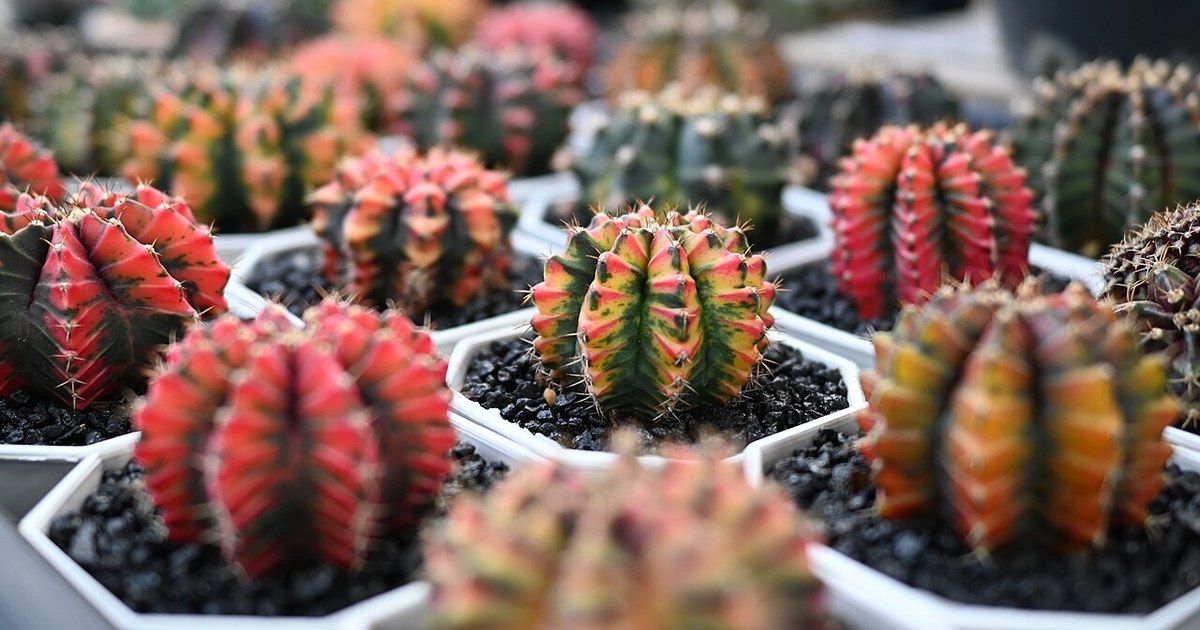
Succulents fail indoors most often from too much water and too little light. Use a fast-draining mix, give them a bright window, and cut back watering sharply in winter.
Give them the most light you can
Succulents need bright light for most of the day. A south- or west-facing window is ideal. If plants stretch toward the glass or turn pale, they need more light. A small LED grow light on a timer, set for 10-12 hours a day, works well when windows are weak.
Use fast-draining soil
Mix standard potting soil with about half its volume of perlite, pumice, or coarse sand. Regular potting mix holds too much moisture around roots.
Water deeply, but not often
- Wait until the soil is completely dry, usually every 1-3 weeks depending on light and temperature.
- Water thoroughly, then empty the saucer after 15 minutes.
- In winter, water much less or not at all for several weeks, since growth slows.
Choose pots with drainage
Terracotta is a good choice because it lets soil dry evenly. Glazed or plastic pots without a hole are risky. If you love a decorative pot without drainage, keep the plant in a plastic nursery pot inside it and remove it to water.
Signs of trouble
- Soft, translucent, or mushy leaves: overwatering and rot. Let the soil dry and check the roots.
- Stretched, pale growth: not enough light.
- Wrinkled leaves: underwatering. Water thoroughly.
Propagating
Many succulents root easily from leaves or cuttings. Let the cut end dry for a day or two, then set it on dry soil and mist lightly once a week until roots form.
Field notes and finer details
Light first, water second
Most succulents need a south or west window. A plant that stretches toward the glass is not getting enough light. An LED for 10-12 hours a day fills the gap in winter. Without enough light, even correct watering produces weak growth.
Soil that drains fast
Mix one part potting soil with one part perlite, pumice, or coarse grit. Standard potting mix holds too much water around succulent roots. Terracotta pots help the soil dry evenly.
Watering by season
In spring and summer, water when the soil is dry, roughly every one to three weeks. In winter, many succulents need water only every four to six weeks. Always water deeply, then empty the saucer.
Reading the leaves
Soft, translucent leaves mean overwatering. Wrinkled leaves mean the plant is too dry. Pale, stretched growth means insufficient light. Treat the cause rather than adding fertilizer.
Light is the limiting factor
Most succulents in a home are not getting enough light. A south or west window is the safest starting point. An east window can work for some haworthias and other softer species, but a plant that leans toward the glass or loses its compact shape is asking for more. Stretching also makes stems weak, so a plant that looks slightly thin will topple as it grows.
A grow light placed 8 to 12 inches above the plants for 10 to 12 hours a day closes the gap in winter. Choose a full-spectrum LED and check the distance as plants grow. Increase light gradually over a week if the plant has been in a dim corner, since sudden strong light can scorch leaves that developed in shade.
Building a fast-draining mix
Standard potting mix holds too much water around succulent roots. Blend one part potting soil with one part perlite, pumice, or coarse grit. For species that dislike organic matter, push the mineral portion higher. The pot must have a drainage hole; a layer of gravel at the bottom does not replace one and only reduces the usable depth.
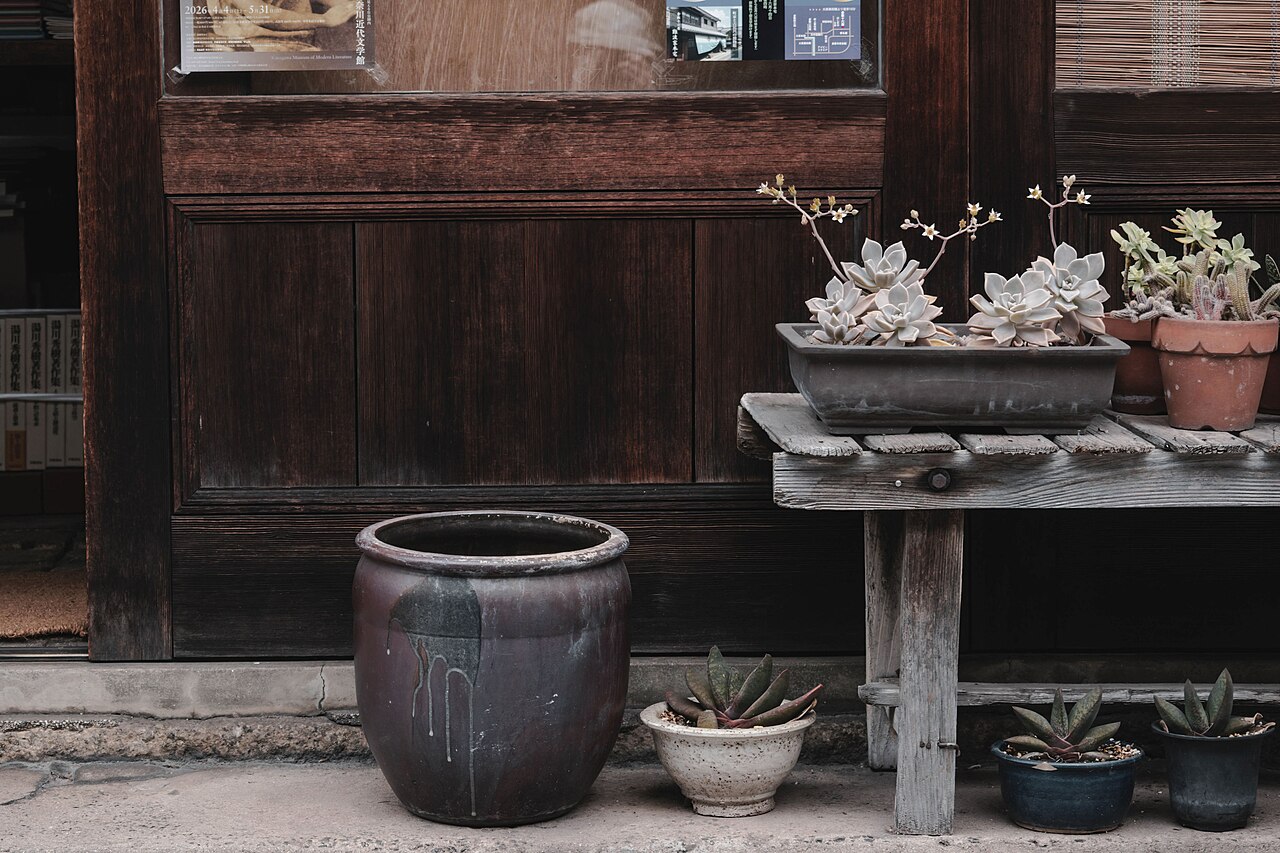
Terracotta helps because air moves through the wall and the soil dries more evenly. Glazed ceramic looks better but stays wet longer, so watering intervals must be longer. Match the pot size to the root ball. A large pot of soil around a small succulent stays damp in the middle for weeks.
Watering through the seasons
In spring and summer, water when the soil is dry all the way through. That may be every one to three weeks depending on heat and pot size. Pour until water leaves the hole, then empty the saucer. A shallow sip wets only the surface and encourages shallow roots.
In winter, many succulents are dormant and need water only every four to six weeks. Some need none at all in a cool room. Soft, translucent leaves mean the soil has stayed wet too long. Wrinkled leaves point to dryness, but check the soil before assuming that; a rotted root cannot take up water, so the plant can look thirsty while the pot is damp.
Moving plants outdoors for summer
Outdoor light is far stronger than a window. Put plants outside in a shaded spot for a week, then move them into brighter light gradually. Bring them back before night temperatures drop below about 50°F (10°C). Check for leaf damage from hail, slugs, and birds during the summer, and keep the pots off saucers that collect rain.
Recognising stress early
A succulent that is shrinking slightly during winter may be normal, but a plant that is soft or translucent at the base has been overwatered. Check the stem with a gentle squeeze. Firm tissue is healthy; mushy tissue means roots have rotted. Remove the plant from its pot and cut away soft material with a clean knife. Let the cut end dry for a day before replanting in a fresh, dry, mineral mix.
Leaf drop around the base of a healthy plant is often normal ageing. Leaves that drop while still plump usually point to a sudden change in watering or light. A plant that leans and has widely spaced leaves is reaching for light and needs a brighter position or a grow light.
Pots, drainage, and repotting
Use a pot only slightly larger than the root ball. A pot that is too big holds damp soil that the plant cannot use. Terracotta suits most succulents because it dries evenly. A glazed pot can be used, but leave it empty of standing water and reduce the watering interval.
Repot in spring when growth resumes. Gently remove the old mix from the roots, trim any dry or rotting roots, and set the plant at the same depth. Water a few days after repotting rather than immediately; roots need time to heal before taking up water. Keep the plant out of strong sun for a week.
Monthly checks
Once a month, inspect the base of the plant, the drainage hole, and the undersides of leaves. Mealybugs hide in leaf joints and look like small white cotton tufts. Dab them with alcohol on a cotton swab and repeat weekly until they are gone. Fungus gnats indicate soil that stays too wet; let the pot dry out fully.
Rotate the pot each month so growth is even. Dust can settle on smooth leaves and reduce the light reaching them; wipe large leaves with a soft dry brush. During active growth, feed once a month at a quarter of the label strength. Skip feeding entirely in winter.
Common questions
Can succulents grow in a bathroom?
Only if it is bright and dry. Most bathrooms are too humid and too dim.
Should I mist succulents?
No. Misting wets the surface without watering roots and encourages rot.