
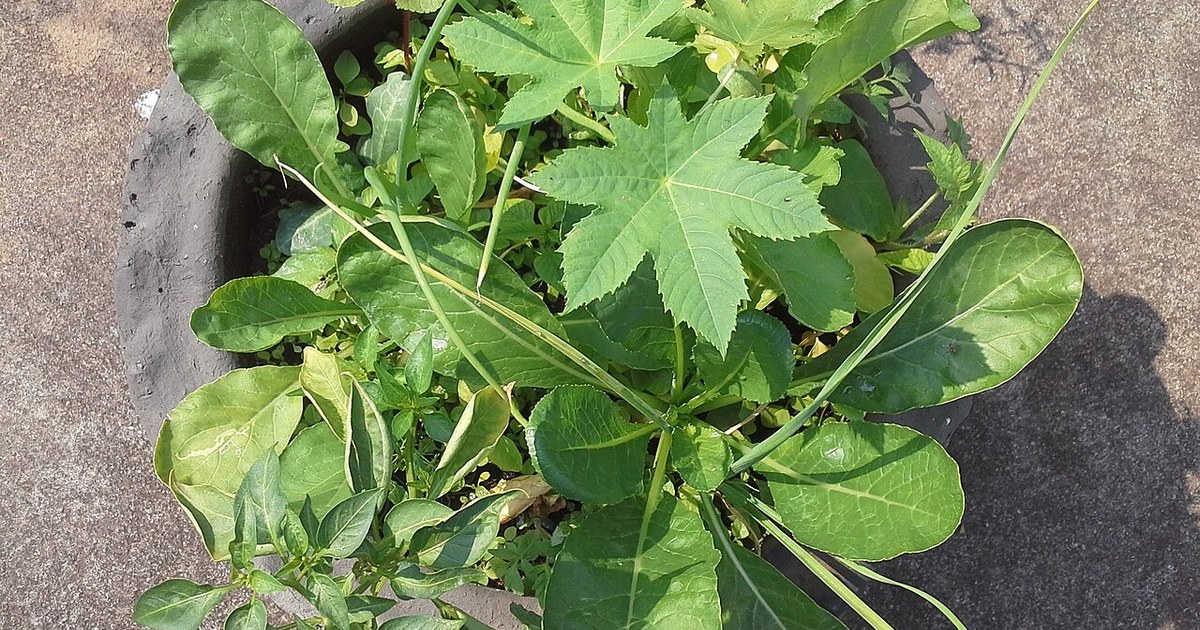
Companion planting is the practice of growing certain plants together for mutual benefit. Used sensibly, it is a useful tool rather than a magic formula.
What companion planting can and cannot do
Companion planting works best as one part of an integrated approach. It can reduce pest pressure, attract pollinators, and make better use of space. It will not fix poor soil, bad watering, or a plant in the wrong climate. Treat dramatic claims with scepticism and test combinations in your own garden.
The strongest evidence supports a few well-studied effects: trap cropping, where a plant attracts pests away from the main crop; repellent effects from strongly scented herbs; and nitrogen fixation by legumes. Many traditional pairings have little scientific support but are harmless to try.
Classic combinations that hold up
Tomatoes and basil are the best-known pair. Basil may repel some pests and is often said to improve tomato flavour, though the flavour claim is unproven. The combination at least saves space and gives you two useful crops from one bed. Plant basil at the base of the tomato where it gets some shade.
Carrots and onions help each other because each repels the other’s main pest. Carrot fly is deterred by the smell of onions, while onion fly is deterred by carrots. Interplant them in the same row or adjacent rows. Marigolds are widely used as a trap crop for nematodes and as a general pest deterrent, though the effect is strongest with French marigolds and over a full season.
Legumes such as beans and peas fix nitrogen from the air and leave some in the soil for following crops. Plant them before heavy feeders such as brassicas or corn. Corn, beans, and squash together form the traditional Three Sisters system: corn provides a pole for beans, beans fix nitrogen, and squash shades the ground and suppresses weeds.
Herbs as companions
Dill and fennel attract beneficial insects such as hoverflies and parasitic wasps. Keep fennel away from most vegetables, since it inhibits the growth of many plants. Dill is a better companion but should be kept away from carrots, which it can cross with and attract the same pests.
Rosemary, thyme, and sage are strongly scented and may confuse pests searching for a host plant. Plant them at the edge of a bed or in pots nearby rather than among the crops, since they prefer drier conditions than vegetables. Nasturtiums act as a trap crop for aphids and are edible.
Plants to keep apart
Some plants compete or inhibit each other. Fennel inhibits most garden plants. Potatoes and tomatoes share diseases, so rotate them rather than growing them together. Brassicas such as cabbage and broccoli compete for the same nutrients and attract the same pests, so space them out rather than clustering them.
Onions and garlic can stunt beans and peas. Corn and tomatoes both attract the corn earworm, so separating them reduces shared pest pressure. Sunflowers release compounds that can inhibit the growth of nearby plants, so keep them at the edge of the garden.
Using companion planting in practice
Start with one or two proven combinations rather than redesigning the whole garden. Keep a simple map of what you planted where and note which beds had pest problems. Rotate crops each year regardless of companion planting, since rotation is the more reliable tool for disease prevention.
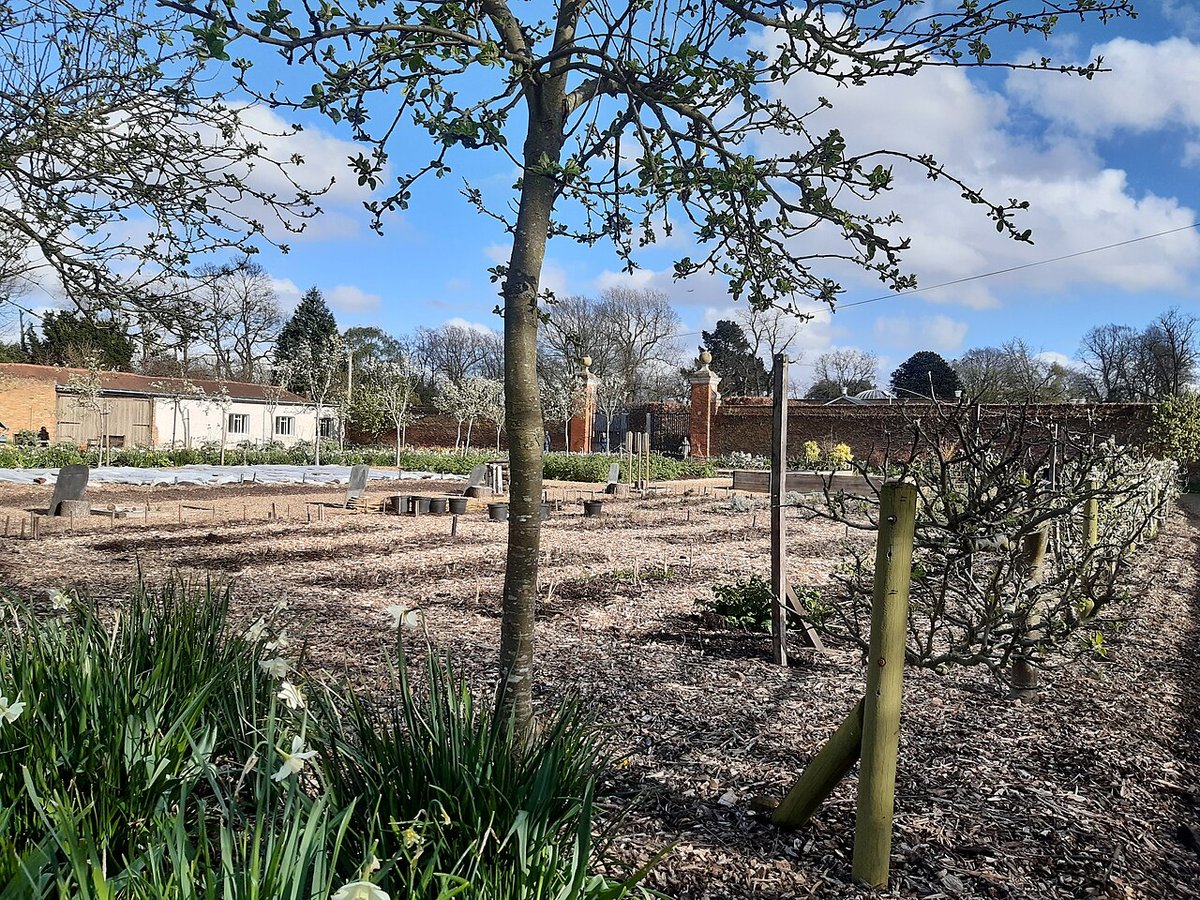
Interplanting also makes better use of space. Sow fast crops such as radishes between slow crops such as peppers. Plant lettuce in the shade of taller plants in summer. Use vertical supports for beans and cucumbers so the ground beneath them can carry a low crop.
Limitations and myths
Many companion planting charts are based on tradition rather than evidence. Claims that certain plants improve flavour or repel specific pests are often repeated without proof. Use them as a starting point, not a rule. The most reliable benefits come from diversity itself: a mixed garden is less attractive to pests than a monoculture, and it supports more beneficial insects.
Field notes and finer details
Classic combinations
Tomatoes and basil, carrots and onions, and the Three Sisters system of corn, beans, and squash are well-known pairings. Each has a practical basis, though results vary by garden.
Herbs as companions
Dill and fennel attract beneficial insects. Rosemary, thyme, and sage may confuse pests. Nasturtiums act as a trap crop for aphids. Keep fennel away from most vegetables.
Plants to keep apart
Fennel inhibits most garden plants. Potatoes and tomatoes share diseases. Onions and garlic can stunt beans and peas. Rotate crops each year regardless of companion planting.
Designing a mixed bed
Start with a plan on paper. Place tall plants such as corn and tomatoes on the north side so they do not shade shorter crops. Put sprawling plants such as squash at the edge where they can run. Fill gaps with fast crops such as radishes and lettuce. Keep a note of what you planted where for rotation next year.
A mixed bed is more resilient than a monoculture. If one crop fails, others still produce, and pests are less likely to spread through the whole bed. The trade-off is that harvesting and weeding take a little more attention.
Keeping records
Keep a simple map of what you planted where and note which beds had pest problems. Over a season or two, those notes show which combinations actually helped in your garden. Companion planting is as much about observation as about following a chart.
Rotate crops each year regardless of companion planting, since rotation is the more reliable tool for disease prevention. A mixed bed one year can be followed by a different mixed bed the next, as long as the same family does not occupy the same ground.
Common questions
Does companion planting really work?
Some combinations have evidence behind them; many are traditional. Test them in your own garden.
What is the best companion for tomatoes?
Basil is the most common and is at least harmless; marigolds may reduce nematodes.
Should I follow a companion planting chart?
Use it as a starting point, not a rule, and keep records of what works for you.