
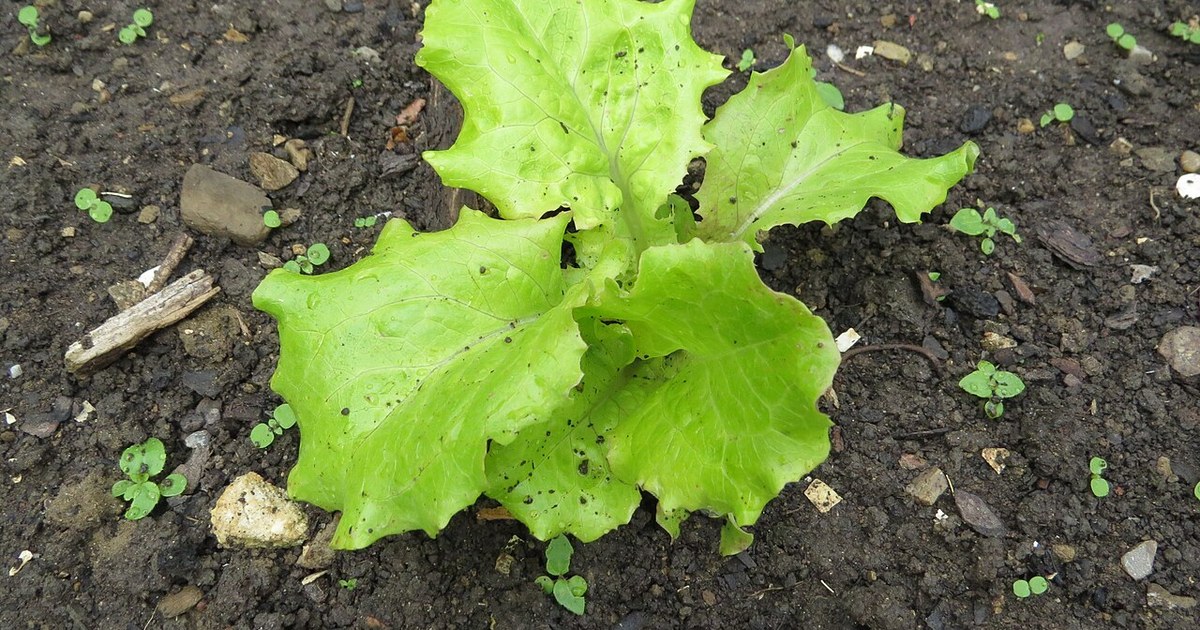
Partial shade does not mean no harvest. Several vegetables produce well with 3 to 6 hours of sun, and some prefer cooler conditions.
What partial shade means
Partial shade is roughly 3 to 6 hours of direct sun, or bright indirect light for most of the day. Dappled shade under a tree counts if the light is bright. Deep shade, with less than 3 hours of direct sun, is difficult for vegetables and better suited to leafy greens at best.
Vegetables that need 6 or more hours of sun, such as tomatoes, peppers, squash, and cucumbers, will struggle in partial shade. They may survive but will be leggy, late, and low-yielding. Save those for the sunniest part of the garden.
Leafy greens
Lettuce, spinach, rocket, and mustard greens are the most shade-tolerant vegetables. They actually prefer partial shade in summer, since full sun makes them bolt. Sow them in spring and again in late summer for an autumn crop. A spot with morning sun and afternoon shade is ideal.
Kale and Swiss chard tolerate partial shade and produce over a long season. They will be smaller and slower than in full sun, but the harvest is still useful. Collards and Asian greens such as pak choi and mizuna also do well.
Root crops
Carrots, beets, and radishes need 4 to 6 hours of sun. They will be smaller in partial shade but still edible. Sow them early in the season and keep the soil moist. Parsnips and turnips are slower and benefit from more sun, but can manage with 5 hours.
Potatoes tolerate partial shade but yield less. If space is limited, give potatoes the sunniest spot available and use the shadier areas for greens.
Legumes and brassicas
Peas grow well in partial shade, especially in warm climates where shade keeps them cooler. Sow them early in spring. Beans need more sun and are marginal in partial shade, though bush beans will produce a modest crop with 5 hours.
Broccoli, cabbage, and cauliflower tolerate partial shade and may actually produce better quality heads in cool conditions. They still need 4 to 6 hours of sun. Brussels sprouts are the most shade-tolerant of the brassicas.
Herbs for shade
Mint, parsley, chives, and lemon balm grow well in partial shade. Basil and rosemary need more sun. Coriander tolerates shade and bolts less quickly in a cool spot. A mixed herb pot in a shady corner can still be productive.
Making the most of a shady bed
Improve the soil with compost so plants can make the most of the light they receive. Space plants slightly wider than usual to reduce competition. Water carefully, since shaded soil stays wet longer and overwatering is a risk. Keep weeds down, since they compete for the limited light.
Reflective surfaces such as a light-coloured wall or a sheet of white plastic behind the bed can bounce light onto the plants and add an hour or two of effective sun. A mirror or reflective mulch is a simple way to brighten a dark corner.
Track how the sun moves across your garden through the season. A bed that is shady in spring may get more sun in summer as the sun rises higher. Adjust your planting plan to match.
Field notes and finer details
Leafy greens
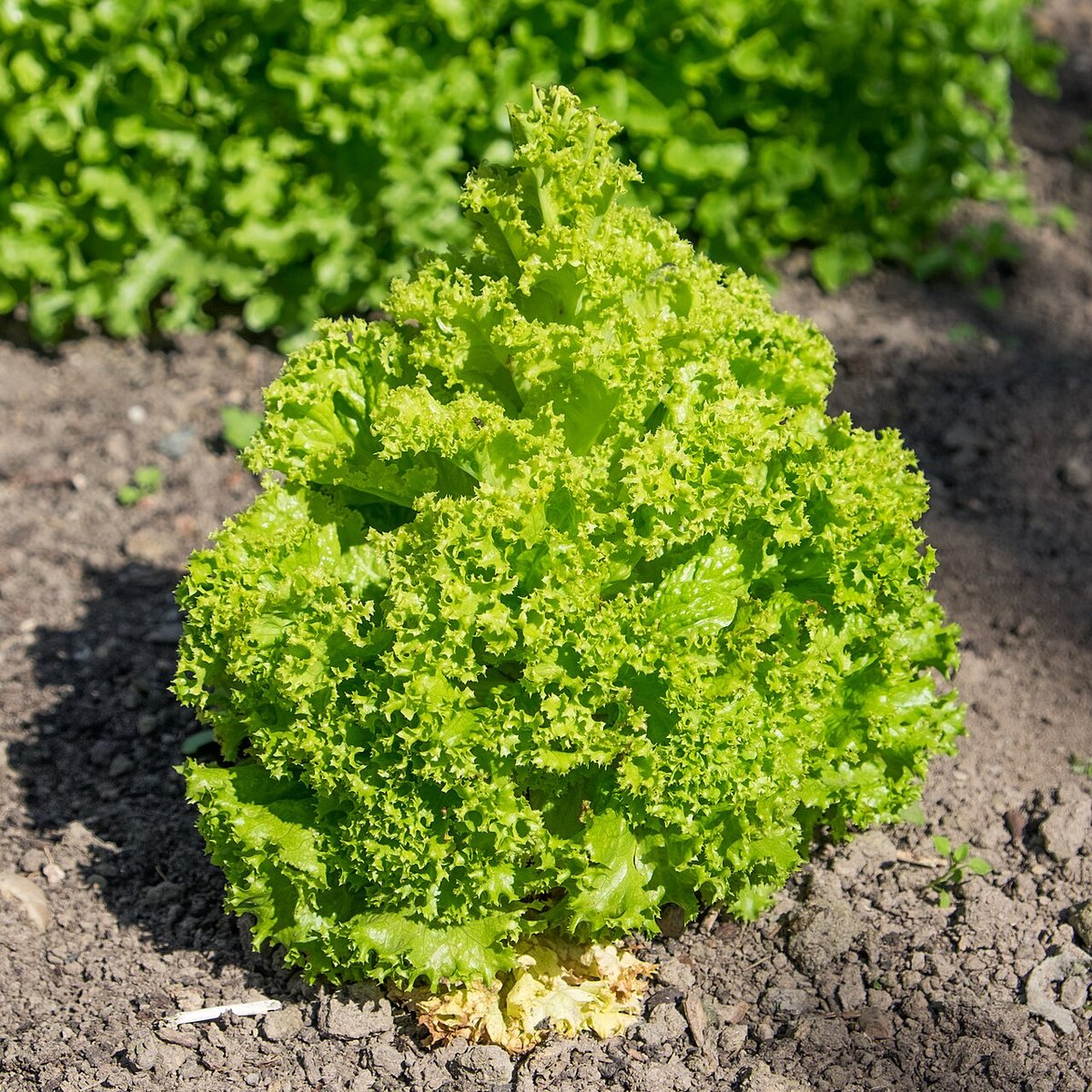
Lettuce, spinach, kale, and Swiss chard tolerate partial shade and may prefer it in summer. Sow them in spring and again in late summer.
Root crops and legumes
Carrots, beets, and radishes need 4 to 6 hours of sun. Peas grow well in partial shade, especially in warm climates. Beans need more sun.
Making the most of shade
Improve the soil with compost, space plants wider, and use reflective surfaces to bounce light. Track how the sun moves through the season.
Herbs and planning
Mint, parsley, chives, and lemon balm grow well in partial shade. Basil and rosemary need more sun. Coriander tolerates shade and bolts less quickly in a cool spot. A mixed herb pot in a shady corner can still be productive.
Track how the sun moves across your garden through the season. A bed that is shady in spring may get more sun in summer. Adjust your planting plan to match, and keep records so you know which crops succeeded in each spot.
Planning a shady plot
Map the sun in your garden before planting. Watch how light moves across the bed at different times of day and in different months. A spot that is shady in spring may get more sun in summer as the sun rises higher.
Group shade-tolerant crops together so you can manage watering and feeding for that area. Keep records of which crops succeeded in each spot, and adjust the plan next season. Over time you will learn which corners of your garden are most productive.
Improving a shady bed
Improve the soil with compost so plants can make the most of the limited light. Space plants slightly wider than usual to reduce competition. Water carefully, since shaded soil stays wet longer. Keep weeds down, since they compete for the limited light. A light-coloured wall or reflective mulch behind the bed can add useful light.
Choose varieties bred for cool conditions and short seasons. Track how the sun moves across your garden through the season, since a bed that is shady in spring may get more sun in summer. Keep records of which crops succeeded in each spot and adjust the plan next year.
Common questions
Can tomatoes grow in partial shade?
They survive but produce poorly. Give them the sunniest spot available.
How much sun does lettuce need?
3 to 4 hours is enough, and it tolerates afternoon shade.
What is the best vegetable for deep shade?
None do well. Leafy greens are the most tolerant, but they need at least 3 hours of sun.