
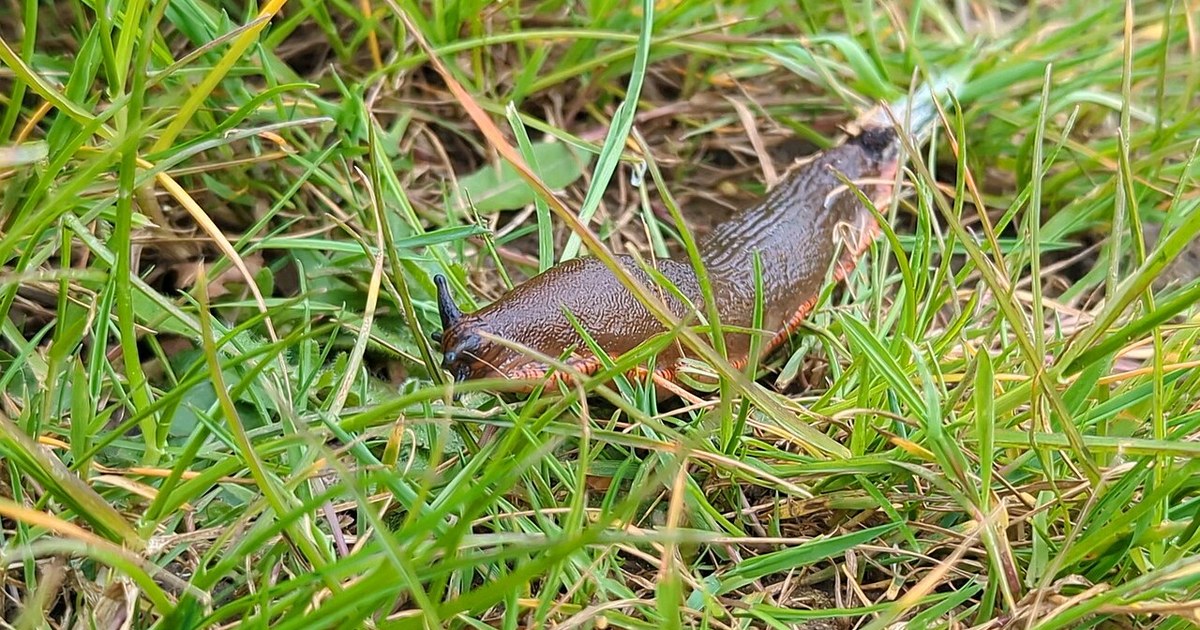
Slugs are most destructive in damp weather and on soft young plants. A combination of barriers, habitat changes, and targeted trapping usually controls them.
Know your enemy
Slugs are molluscs, not insects, which is why insecticides do not affect them. They feed at night and on overcast days, and they hide during the day under boards, pots, mulch, and debris. A single slug can eat several times its body weight in a night, and a small population can destroy a row of seedlings in one evening.
Slugs need moisture to move and to breathe through their skin. Dry conditions slow them, but they return as soon as it rains. Eggs are laid in clusters in the soil and hatch over several weeks, so control must continue through the season.
Reduce the habitat
The most effective long-term step is to remove daytime hiding places. Clear boards, stones, and unused pots from the bed. Keep mulch thin around seedlings, and avoid a thick damp layer where slugs can shelter. Water in the morning so the surface dries by evening, when slugs become active.
Raise vulnerable plants off the ground in pots or on benches. Slugs climb, but a clean vertical surface is harder to cross than soil. Keep grass edges trimmed, since slugs travel along them and use them as cover.
Barriers that work
Copper tape around pots or raised beds gives slugs a mild electric shock when they cross it. It must form a complete ring with no gaps, and it works best when kept clean and dry. Crushed eggshells, sharp grit, and wool pellets are often recommended as barriers, but results are inconsistent; they slow slugs rather than stopping them.
Beer traps attract slugs, which drown in them. Bury a container so the rim is at soil level and fill it with beer or a yeast and sugar mixture. Empty and refill it every few days. Traps work best as part of a wider plan, since they can attract slugs from neighbouring areas if used alone.
Hand picking and timing
Go out at dusk or after rain with a torch and a bucket of soapy water. Collect slugs and drop them in. This is tedious but effective in a small garden, and it directly reduces the breeding population. Focus on the most vulnerable crops: lettuce, hostas, beans, and strawberries.
Check under pots and boards in the morning and remove any slugs you find. A single session can remove dozens. If you dispose of them in a compost heap, they may return, so remove them from the garden entirely.
Encourage natural predators
Hedgehogs, thrushes, toads, and ground beetles all eat slugs. A garden with a pond, a log pile, and some undisturbed corners supports more predators. Avoid slug pellets that contain metaldehyde, which poison hedgehogs and other wildlife. Iron phosphate pellets are safer but should still be used sparingly and according to the label.
Nematodes that parasitise slugs are available as a biological control. They are watered into the soil and work best in warm, moist conditions. They are most effective against small slugs and need repeating every few weeks.
Protecting seedlings
Seedlings are most at risk in their first two weeks. Use cloches, cut-down plastic bottles, or fine mesh to cover them at night. Sow a few extra seeds so losses do not leave a gap. Once plants have tough leaves and a strong stem, slug damage is less serious.
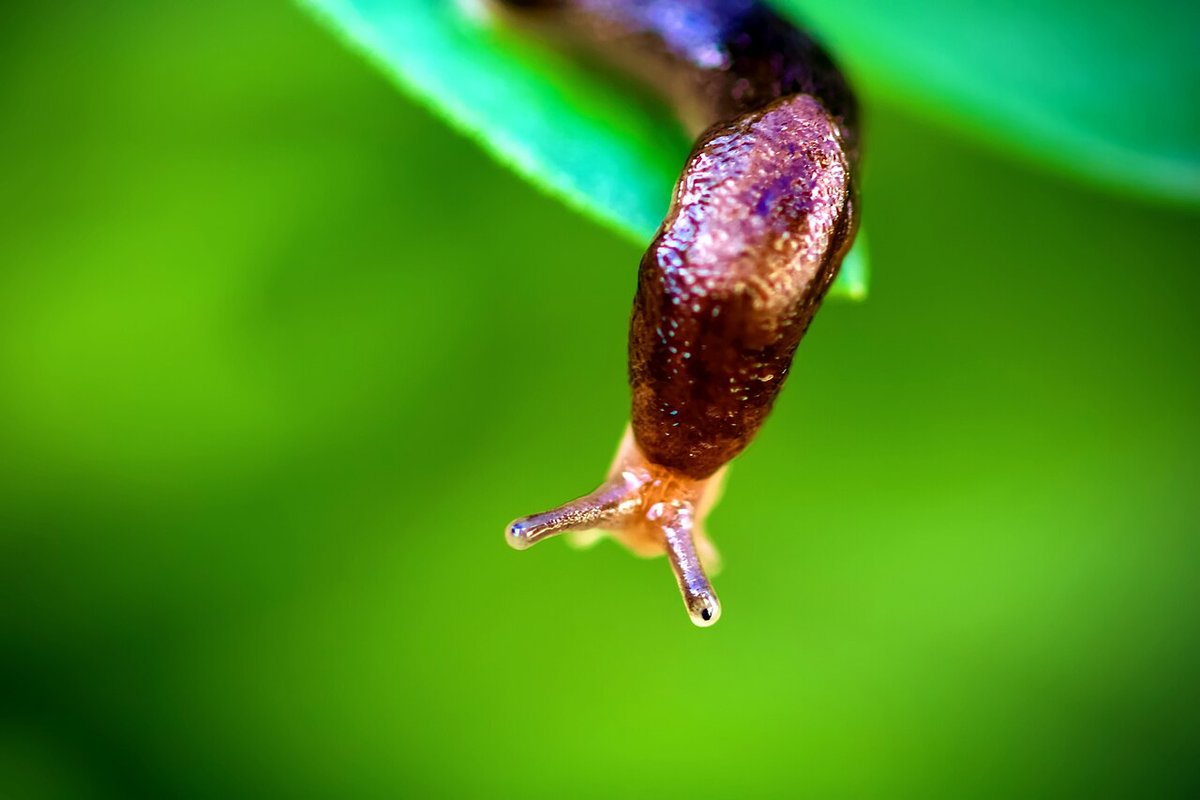
In a vegetable bed, delaying planting by a week or two can move the crop past the worst of the slug season. Combining that with a tidy bed and morning watering usually keeps damage to an acceptable level without chemicals.
Field notes and finer details
Habitat reduction
Remove daytime hiding places such as boards, stones, and unused pots. Keep mulch thin around seedlings and water in the morning so the surface dries by evening.
Barriers and traps
Copper tape, beer traps, and hand picking are the most reliable methods. Crushed eggshells and grit give inconsistent results. Iron phosphate pellets are safer than metaldehyde for wildlife.
Predators
Hedgehogs, thrushes, toads, and ground beetles eat slugs. A garden with a pond and a log pile supports more predators. Nematodes are effective in warm, moist conditions.
Protecting the most vulnerable crops
Seedlings, lettuce, hostas, and strawberries suffer the most damage. Protect them with cloches, cut-down plastic bottles, or fine mesh at night. Sow a few extra seeds so losses do not leave a gap. Once plants have tough leaves and a strong stem, slug damage is less serious.
Delaying planting by a week or two can move a crop past the worst of the slug season. Combining that with a tidy bed and morning watering usually keeps damage to an acceptable level without chemicals.
Season-long strategy
Slugs are active from early spring to late autumn. Begin control as soon as the first seedlings go in, and continue through the season. A single treatment rarely solves the problem, because eggs hatch in waves. Combining habitat reduction, barriers, and hand picking gives the best result.
In a wet year, accept some damage and focus on protecting the most valuable crops. In a dry year, slugs are less of a problem and lighter control is enough. Adjust your effort to the conditions rather than following a fixed routine.
Long-term prevention
Slugs are part of the garden ecosystem and cannot be eliminated entirely. The goal is to keep their numbers low enough that plants survive. A tidy garden, morning watering, and a few hiding spots for predators usually achieve that balance. Check the garden after rain and remove slugs before they reach the most vulnerable crops.
Common questions
Do coffee grounds repel slugs?
They are often claimed to, but evidence is weak. They are better used as a soil amendment.
Are slug pellets safe?
Iron phosphate pellets are safer for wildlife than metaldehyde, but use them sparingly.
When are slugs most active?
At night and after rain, especially in cool, damp weather.