

A good indoor watering can delivers water precisely without spilling. This guide compares designs and what to look for.
Why indoor cans differ
Outdoor watering cans are too large and heavy for houseplants. Indoor cans need a long, narrow spout to reach soil under foliage, a balanced handle, and a capacity that matches your collection without being unwieldy.
Materials
- Plastic: light, cheap, and durable. Good for beginners. Less attractive.
- Metal (galvanised steel or copper): attractive and durable, but heavier and can rust if not dried.
- Ceramic: decorative but fragile and heavy.
Spout design
A long, thin spout gives precision. A rose (sprinkler head) is useful for seedlings but not for established plants. Removable roses are versatile. The spout should reach the soil without wetting the leaves.
Capacity and balance
1 to 2 litres is ideal for most collections. Larger cans are heavy when full and hard to control. The handle should be comfortable and the can balanced when full. A can that tips forward spills water.
Top picks
For most houseplant owners, a 1.5-litre plastic or metal can with a long, narrow spout and a comfortable handle offers the best balance of capacity and control. Plastic is practical; metal is decorative. Choose based on your priorities and budget.
Care
Empty the can after use and dry it, especially metal ones. Store in a dry place. Clean the spout occasionally to prevent mineral build-up from hard water.
Field notes and finer details
Spout design
A long, thin spout gives precision. A rose is useful for seedlings but not established plants. Removable roses are versatile. The spout should reach the soil without wetting leaves.
Capacity and balance
1 to 2 litres is ideal for most collections. Larger cans are heavy when full. The handle should be comfortable and the can balanced when full.
Care
Empty the can after use and dry it, especially metal ones. Store in a dry place. Clean the spout occasionally to prevent mineral build-up.
Why indoor cans differ
Outdoor watering cans are too large and heavy for houseplants. Indoor cans need a long, narrow spout to reach soil under foliage, a balanced handle, and a capacity that matches your collection without being unwieldy.
Materials
- Plastic: light, cheap, and durable. Good for beginners. Less attractive.
- Metal (galvanised steel or copper): attractive and durable, but heavier and can rust if not dried.
- Ceramic: decorative but fragile and heavy.
Spout design
A long, thin spout gives precision. A rose is useful for seedlings but not for established plants. Removable roses are versatile. The spout should reach the soil without wetting the leaves.
Capacity and balance
1 to 2 litres is ideal for most collections. Larger cans are heavy when full and hard to control. The handle should be comfortable and the can balanced when full. A can that tips forward spills water.
Care
Empty the can after use and dry it, especially metal ones. Store in a dry place. Clean the spout occasionally to prevent mineral build-up from hard water.
Top picks
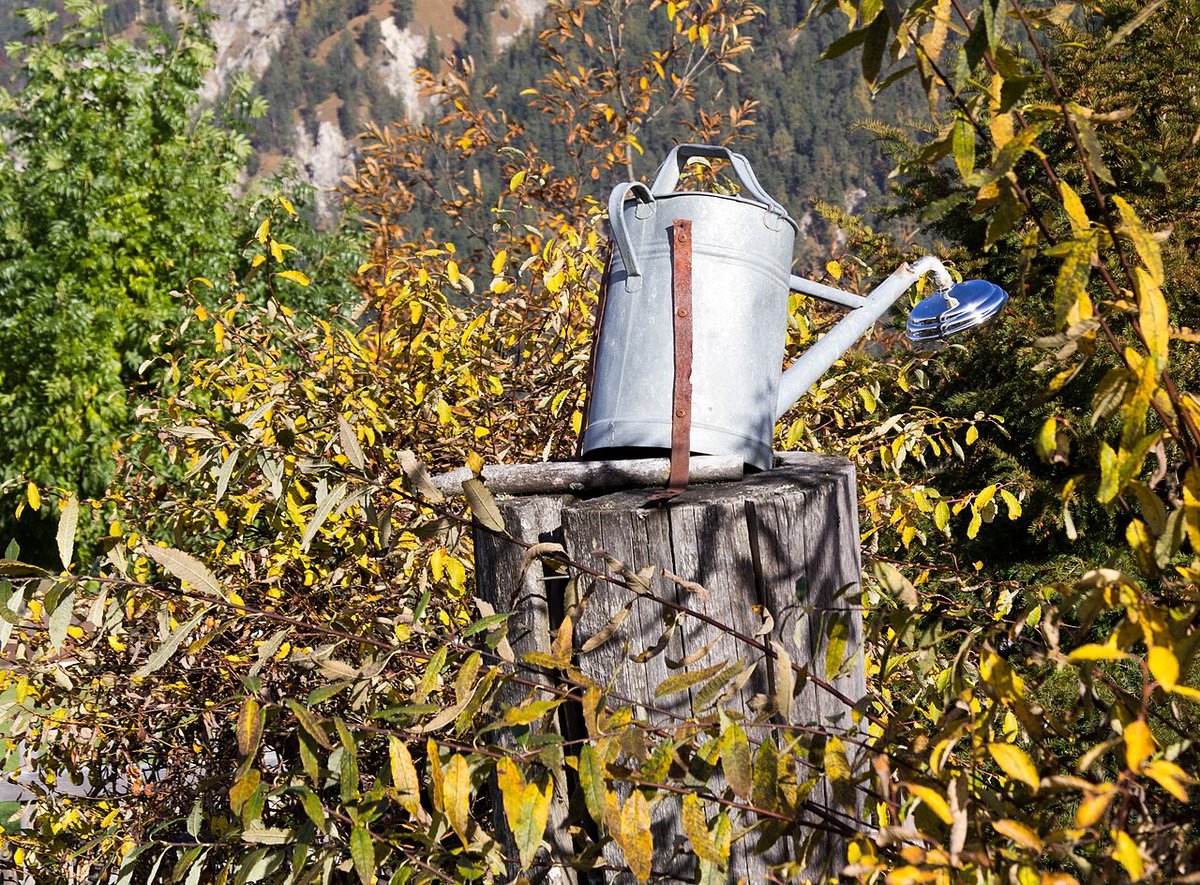
For most houseplant owners, a 1.5-litre plastic or metal can with a long, narrow spout and a comfortable handle offers the best balance of capacity and control. Plastic is practical; metal is decorative. Choose based on your priorities and budget.
Top picks
For most houseplant owners, a 1.5-litre plastic or metal can with a long, narrow spout and a comfortable handle offers the best balance of capacity and control. Plastic is practical; metal is decorative. Choose based on your priorities and budget.
Top picks
For most houseplant owners, a 1.5-litre plastic or metal can with a long, narrow spout and a comfortable handle offers the best balance of capacity and control. Plastic is practical; metal is decorative. Choose based on your priorities and budget.
Care
Empty the can after use and dry it, especially metal ones. Store in a dry place. Clean the spout occasionally to prevent mineral build-up from hard water.
Top picks
For most houseplant owners, a 1.5-litre plastic or metal can with a long, narrow spout and a comfortable handle offers the best balance of capacity and control. Plastic is practical; metal is decorative. Choose based on your priorities and budget.
Care
Empty the can after use and dry it, especially metal ones. Store in a dry place. Clean the spout occasionally to prevent mineral build-up from hard water.
Spout design
A long, thin spout gives precision. A rose is useful for seedlings but not for established plants. Removable roses are versatile. The spout should reach the soil without wetting the leaves.
Capacity and balance
1 to 2 litres is ideal for most collections. Larger cans are heavy when full and hard to control. The handle should be comfortable and the can balanced when full. A can that tips forward spills water.
Care
Empty the can after use and dry it, especially metal ones. Store in a dry place. Clean the spout occasionally to prevent mineral build-up from hard water.
Top picks
For most houseplant owners, a 1.5-litre plastic or metal can with a long, narrow spout and a comfortable handle offers the best balance of capacity and control. Plastic is practical; metal is decorative. Choose based on your priorities and budget.
Top picks
For most houseplant owners, a 1.5-litre plastic or metal can with a long, narrow spout and a comfortable handle offers the best balance of capacity and control. Plastic is practical; metal is decorative. Choose based on your priorities and budget.
Care
Empty the can after use and dry it, especially metal ones. Store in a dry place. Clean the spout occasionally to prevent mineral build-up from hard water.
Common questions
What size watering can is best for houseplants?
1 to 2 litres is ideal for most collections.
Plastic or metal watering can?
Plastic is practical; metal is decorative but heavier.
Do I need a rose on my watering can?
Useful for seedlings, not needed for established plants.