
The right pot protects roots and complements your decor. This guide compares materials and what to look for.
Drainage is essential
Every pot needs a drainage hole. Without one, water pools at the bottom and rots roots. If you use a decorative pot without a hole, keep the plant in a nursery pot inside it and remove it to water.
Materials compared
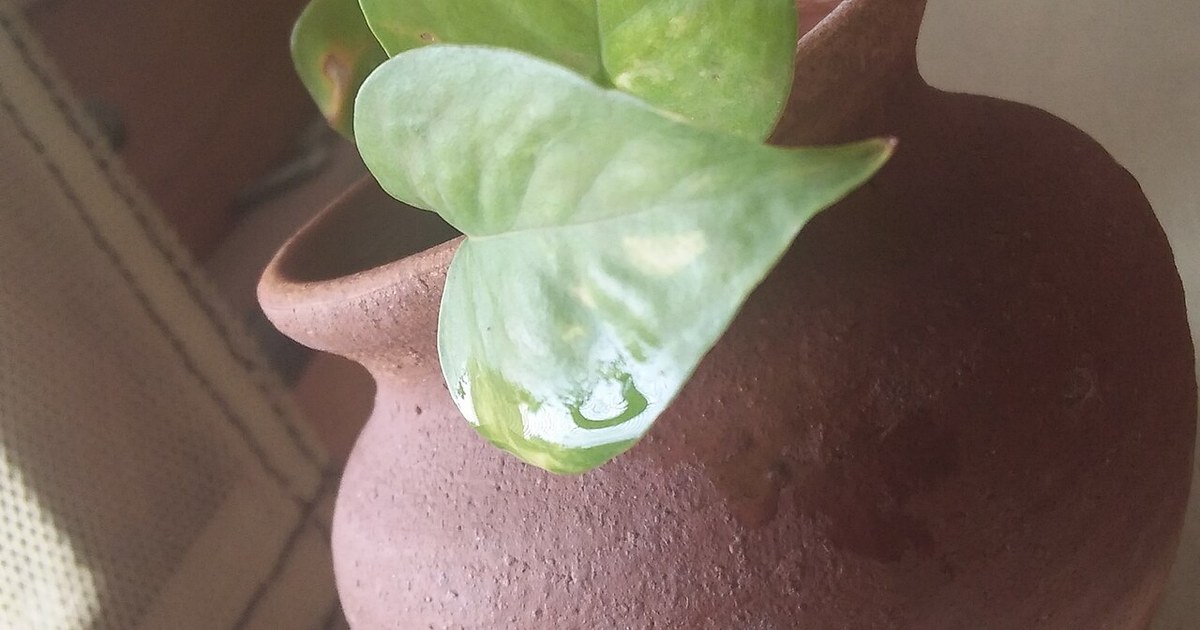
- Terracotta: breathes and dries evenly. Good for succulents and plants that like dry feet. Heavy and fragile.
- Glazed ceramic: attractive and retains moisture. Good for ferns and tropicals. Heavy.
- Plastic: light, cheap, and durable. Good for large plants. Less attractive.
- Fabric (grow bags): breathable and air-prune roots. Good for vegetables and herbs. Not decorative.
Size and repotting
Move up only 1 to 2 inches in diameter when repotting. A pot that is too large holds wet soil around roots that cannot reach it. The pot should be roughly one-third the height of the plant for balance.
Features to look for
- Saucer: catches drainage water. Removable saucers are easier to clean.
- Weight: heavy pots are stable but hard to move. Light pots tip easily.
- Finish: smooth interiors are easier to clean and reduce salt build-up.
Top picks by plant type
For succulents and cacti, choose terracotta with a drainage hole. For ferns and calatheas, glazed ceramic or plastic retains moisture. For large floor plants, a lightweight plastic or fibreglass pot is practical. For herbs, a window box or small terracotta pot works well.
Field notes and finer details
Drainage is essential
Every pot needs a drainage hole. Without one, water pools at the bottom and rots roots. If you use a decorative pot without a hole, keep the plant in a nursery pot inside it.
Materials compared
Terracotta breathes and dries evenly. Glazed ceramic is attractive and retains moisture. Plastic is light, cheap, and durable. Fabric grow bags are breathable and air-prune roots.
Size and repotting
Move up only 1 to 2 inches in diameter when repotting. A pot that is too large holds wet soil around roots that cannot reach it.
Drainage is essential
Every pot needs a drainage hole. Without one, water pools at the bottom and rots roots. If you use a decorative pot without a hole, keep the plant in a nursery pot inside it and remove it to water.
Materials compared
- Terracotta: breathes and dries evenly. Good for succulents and plants that like dry feet. Heavy and fragile.
- Glazed ceramic: attractive and retains moisture. Good for ferns and tropicals. Heavy.
- Plastic: light, cheap, and durable. Good for large plants. Less attractive.
- Fabric (grow bags): breathable and air-prune roots. Good for vegetables and herbs. Not decorative.
Size and repotting
Move up only 1 to 2 inches in diameter when repotting. A pot that is too large holds wet soil around roots that cannot reach it. The pot should be roughly one-third the height of the plant for balance.
Features to look for
- Saucer: catches drainage water. Removable saucers are easier to clean.
- Weight: heavy pots are stable but hard to move. Light pots tip easily.
- Finish: smooth interiors are easier to clean and reduce salt build-up.
Top picks by plant type
For succulents and cacti, choose terracotta with a drainage hole. For ferns and calatheas, glazed ceramic or plastic retains moisture. For large floor plants, a lightweight plastic or fibreglass pot is practical. For herbs, a window box or small terracotta pot works well.
Top picks by plant type
For succulents and cacti, choose terracotta with a drainage hole. For ferns and calatheas, glazed ceramic or plastic retains moisture. For large floor plants, a lightweight plastic or fibreglass pot is practical. For herbs, a window box or small terracotta pot works well.
Top picks by plant type
For succulents and cacti, choose terracotta with a drainage hole. For ferns and calatheas, glazed ceramic or plastic retains moisture. For large floor plants, a lightweight plastic or fibreglass pot is practical. For herbs, a window box or small terracotta pot works well.
Top picks by plant type
For succulents and cacti, choose terracotta with a drainage hole. For ferns and calatheas, glazed ceramic or plastic retains moisture. For large floor plants, a lightweight plastic or fibreglass pot is practical. For herbs, a window box or small terracotta pot works well.
Materials compared
Terracotta breathes and dries evenly. Good for succulents and plants that like dry feet. Heavy and fragile. Glazed ceramic is attractive and retains moisture. Good for ferns and tropicals. Heavy. Plastic is light, cheap, and durable. Good for large plants. Less attractive.
Size and repotting
Move up only 1 to 2 inches in diameter when repotting. A pot that is too large holds wet soil around roots that cannot reach it. The pot should be roughly one-third the height of the plant for balance.
Top picks by plant type
For succulents and cacti, choose terracotta with a drainage hole. For ferns and calatheas, glazed ceramic or plastic retains moisture. For large floor plants, a lightweight plastic or fibreglass pot is practical. For herbs, a window box or small terracotta pot works well.
Top picks by plant type
For succulents and cacti, choose terracotta with a drainage hole. For ferns and calatheas, glazed ceramic or plastic retains moisture. For large floor plants, a lightweight plastic or fibreglass pot is practical. For herbs, a window box or small terracotta pot works well.
Features to look for
Saucer, weight, and finish matter. Heavy pots are stable but hard to move. Light pots tip easily. Smooth interiors are easier to clean and reduce salt build-up.
Common questions
Do plant pots need drainage holes?
Yes, every pot needs a drainage hole to prevent root rot.
What pot material is best?
Terracotta for succulents, glazed ceramic for tropicals, plastic for large plants.
How much bigger should a new pot be?
1 to 2 inches wider in diameter.