

Thorny plants need gloves that resist puncture without sacrificing dexterity. This guide compares materials and styles.
Why regular gloves fail
Standard cotton or nylon gloves tear on thorns and let prickles through. Rose thorns, cactus spines, and blackberry canes need tougher materials. The best thorn-proof gloves balance protection with the ability to feel what you are doing.
Materials compared
- Leather: the most puncture-resistant. Goatskin is supple and durable; cowhide is thicker but stiffer. Leather breathes poorly and is hard to wash.
- Synthetic (nitrile or polyurethane coated): flexible, washable, and cheaper. Good for light thorns but can be pierced by large ones.
- Gauntlet style: extends past the wrist to protect forearms. Essential for reaching into rose bushes or cactus.
Features to look for
Reinforced fingertips and palms extend life. A snug cuff keeps debris out. Touchscreen-compatible fingertips are useful if you use a phone in the garden. Breathable backs reduce sweating.
Top picks by use
For rose pruning, choose a goatskin gauntlet glove with reinforced palms. For cactus and succulents, a thick leather glove with long cuffs is safest. For general thorny weeding, a synthetic glove with nitrile coating offers enough protection and better dexterity.
Fit matters: a glove that is too large reduces control and increases the chance of a thorn slipping through. Try them on if possible.
Care and replacement
Leather gloves should be cleaned with a damp cloth and conditioned with leather oil. Do not machine wash. Synthetic gloves can be washed in the machine on a gentle cycle. Replace gloves when the fingertips wear through or the coating peels.
Field notes and finer details
Materials compared
Leather is the most puncture-resistant. Goatskin is supple and durable; cowhide is thicker but stiffer. Synthetic gloves are flexible, washable, and cheaper but less protective.
Features to look for
Reinforced fingertips and palms extend life. A snug cuff keeps debris out. Touchscreen-compatible fingertips are useful. Breathable backs reduce sweating.
Care and replacement
Leather gloves should be cleaned with a damp cloth and conditioned. Synthetic gloves can be machine washed. Replace when fingertips wear through.
Why regular gloves fail
Standard cotton or nylon gloves tear on thorns and let prickles through. Rose thorns, cactus spines, and blackberry canes need tougher materials. The best thorn-proof gloves balance protection with the ability to feel what you are doing.
Materials compared
- Leather: the most puncture-resistant. Goatskin is supple and durable; cowhide is thicker but stiffer. Leather breathes poorly and is hard to wash.
- Synthetic (nitrile or polyurethane coated): flexible, washable, and cheaper. Good for light thorns but can be pierced by large ones.
- Gauntlet style: extends past the wrist to protect forearms. Essential for reaching into rose bushes or cactus.
Features to look for
Reinforced fingertips and palms extend life. A snug cuff keeps debris out. Touchscreen-compatible fingertips are useful if you use a phone in the garden. Breathable backs reduce sweating.
Care and replacement
Leather gloves should be cleaned with a damp cloth and conditioned with leather oil. Do not machine wash. Synthetic gloves can be washed in the machine on a gentle cycle. Replace gloves when the fingertips wear through or the coating peels.
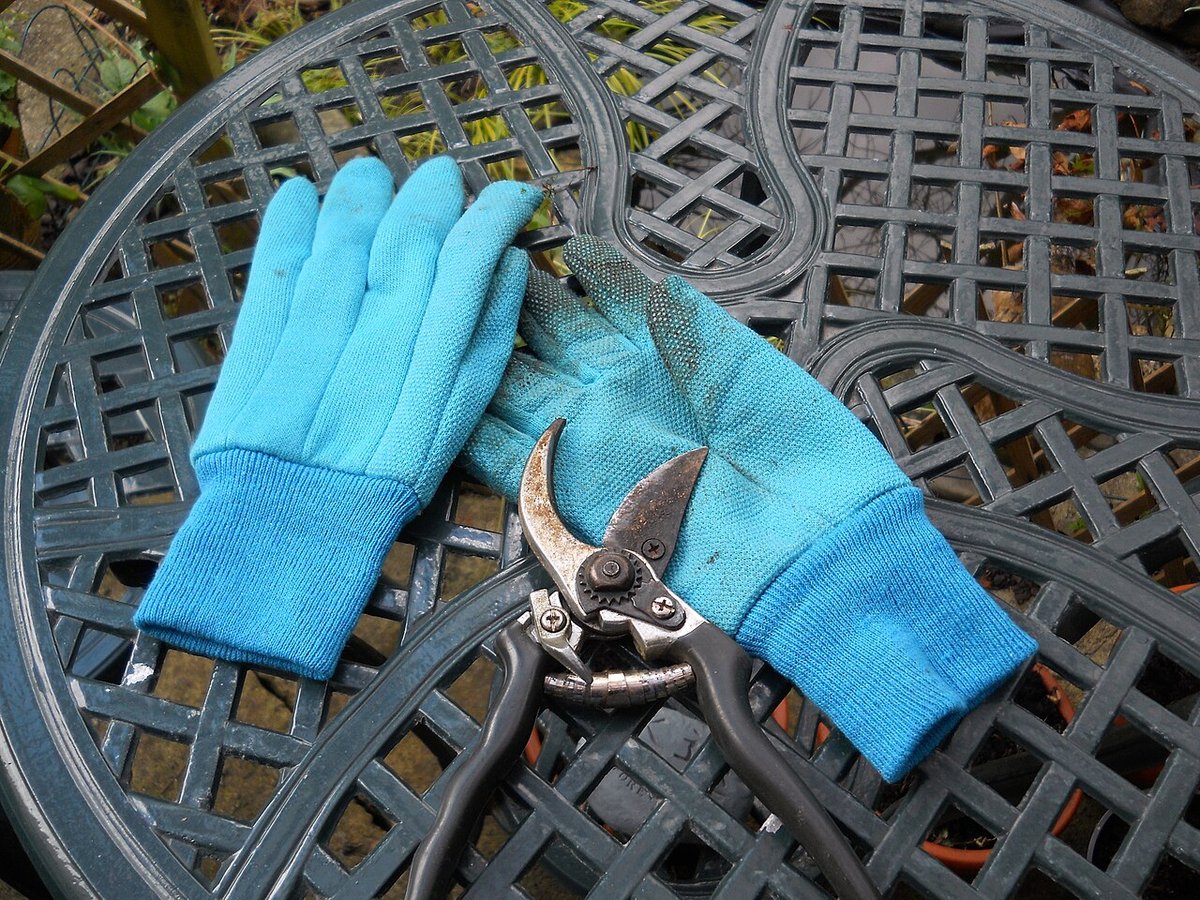
Top picks by use
For rose pruning, choose a goatskin gauntlet glove with reinforced palms. For cactus and succulents, a thick leather glove with long cuffs is safest. For general thorny weeding, a synthetic glove with nitrile coating offers enough protection and better dexterity.
Fit matters: a glove that is too large reduces control and increases the chance of a thorn slipping through. Try them on if possible.
Care and replacement
Leather gloves should be cleaned with a damp cloth and conditioned with leather oil. Do not machine wash. Synthetic gloves can be washed in the machine on a gentle cycle. Replace gloves when the fingertips wear through or the coating peels.
Materials compared
Leather is the most puncture-resistant. Goatskin is supple and durable; cowhide is thicker but stiffer. Leather breathes poorly and is hard to wash.
Synthetic (nitrile or polyurethane coated) gloves are flexible, washable, and cheaper. Good for light thorns but can be pierced by large ones. Gauntlet style extends past the wrist to protect forearms.
Care and replacement
Leather gloves should be cleaned with a damp cloth and conditioned with leather oil. Do not machine wash. Synthetic gloves can be washed in the machine on a gentle cycle. Replace gloves when the fingertips wear through or the coating peels.
Common questions
What are the best gloves for rose thorns?
Goatskin gauntlet gloves with reinforced palms.
Can I wash leather garden gloves?
Wipe with a damp cloth; do not machine wash.
How long do garden gloves last?
One to three seasons depending on use and care.