
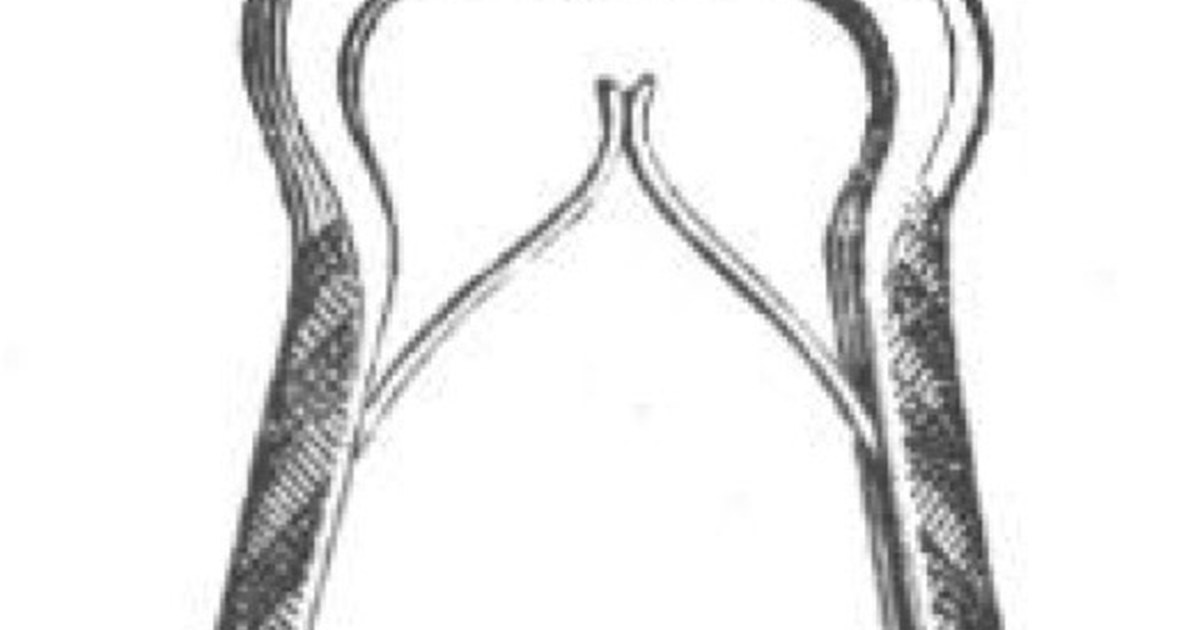
Good pruning shears make clean cuts that heal fast. This guide compares the main types and what to look for before you buy.
Why pruning shears matter
Pruning shears are the most-used hand tool in the garden. A dull or poorly designed pair crushes stems instead of cutting them, which invites disease and slows healing. The right pair depends on the plants you grow and the size of your hands.
Bypass vs anvil
Bypass shears work like scissors, with two blades passing each other. They make clean cuts on green, living wood and are the best choice for most gardeners. Anvil shears have one blade that closes onto a flat surface. They are better for dead, woody stems but can crush green tissue. Ratchet shears multiply leverage and suit gardeners with limited hand strength.
What to look for
- Blade steel: high-carbon steel holds an edge longer but needs oiling. Stainless steel resists rust but dulls faster.
- Handle comfort: ergonomic grips reduce fatigue. Left-handed gardeners should check the action before buying.
- Spring and lock: a smooth spring and a reliable lock that is easy to operate with one hand.
- Replacement parts: the best brands sell replacement blades and springs.
Top picks
For most gardeners, a mid-priced bypass pruner with high-carbon steel blades and a comfortable grip offers the best balance of cut quality and durability. Budget options work for light use but dull quickly. Premium models justify their price with replaceable parts and a lifetime warranty.
Consider a pair with a 2-inch cutting capacity for general garden work. Smaller blades are better for detail pruning and herbs. Larger blades handle thick branches but are heavier.
Maintenance
Clean the blades after each use, especially after cutting diseased wood. Wipe sap with alcohol. Sharpen with a diamond file once a season. Oil the pivot and spring before winter storage. A well-maintained pair lasts years.
Buying guide
Match the tool to the job. If you prune roses, fruit trees, and shrubs regularly, invest in a quality bypass pruner. If you only trim herbs and soft stems, a cheaper pair is fine. Try the action in the shop if possible; a pruner that fits your hand will feel balanced.
Field notes and finer details
Bypass vs anvil
Bypass shears work like scissors and make clean cuts on green wood. Anvil shears have one blade that closes onto a flat surface and are better for dead, woody stems. Ratchet shears multiply leverage and suit gardeners with limited hand strength.
What to look for
Blade steel, handle comfort, spring action, and replacement parts matter most. High-carbon steel holds an edge longer but needs oiling. Stainless steel resists rust but dulls faster.
Maintenance
Clean the blades after each use. Wipe sap with alcohol. Sharpen with a diamond file once a season. Oil the pivot and spring before winter storage.
Why pruning shears matter
Pruning shears are the most-used hand tool in the garden. A dull or poorly designed pair crushes stems instead of cutting them, which invites disease and slows healing. The right pair depends on the plants you grow and the size of your hands.
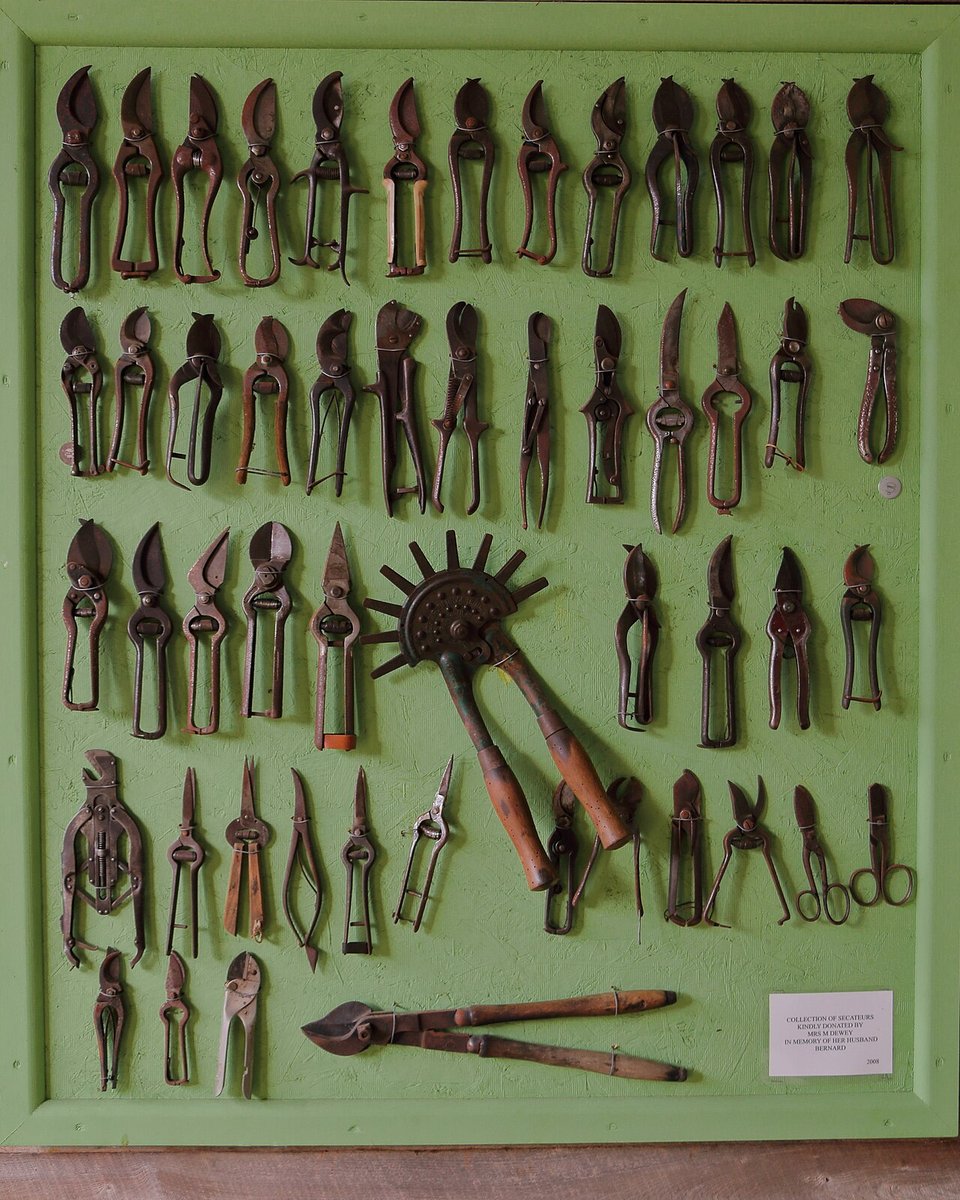
Bypass vs anvil
Bypass shears work like scissors, with two blades passing each other. They make clean cuts on green, living wood and are the best choice for most gardeners. Anvil shears have one blade that closes onto a flat surface. They are better for dead, woody stems but can crush green tissue. Ratchet shears multiply leverage and suit gardeners with limited hand strength.
What to look for
- Blade steel: high-carbon steel holds an edge longer but needs oiling. Stainless steel resists rust but dulls faster.
- Handle comfort: ergonomic grips reduce fatigue. Left-handed gardeners should check the action before buying.
- Spring and lock: a smooth spring and a reliable lock that is easy to operate with one hand.
- Replacement parts: the best brands sell replacement blades and springs.
Maintenance
Clean the blades after each use, especially after cutting diseased wood. Wipe sap with alcohol. Sharpen with a diamond file once a season. Oil the pivot and spring before winter storage. A well-maintained pair lasts years.
Top picks
For most gardeners, a mid-priced bypass pruner with high-carbon steel blades and a comfortable grip offers the best balance of cut quality and durability. Budget options work for light use but dull quickly. Premium models justify their price with replaceable parts and a lifetime warranty.
Consider a pair with a 2-inch cutting capacity for general garden work. Smaller blades are better for detail pruning and herbs. Larger blades handle thick branches but are heavier.
Buying guide
Match the tool to the job. If you prune roses, fruit trees, and shrubs regularly, invest in a quality bypass pruner. If you only trim herbs and soft stems, a cheaper pair is fine. Try the action in the shop if possible; a pruner that fits your hand will feel balanced.
Top picks
For most gardeners, a mid-priced bypass pruner with high-carbon steel blades and a comfortable grip offers the best balance of cut quality and durability. Budget options work for light use but dull quickly. Premium models justify their price with replaceable parts and a lifetime warranty.
Consider a pair with a 2-inch cutting capacity for general garden work. Smaller blades are better for detail pruning and herbs. Larger blades handle thick branches but are heavier.
Buying guide
Match the tool to the job. If you prune roses, fruit trees, and shrubs regularly, invest in a quality bypass pruner. If you only trim herbs and soft stems, a cheaper pair is fine. Try the action in the shop if possible.
Common questions
What is the difference between bypass and anvil pruners?
Bypass shears make clean cuts on green wood; anvil shears crush stems and are for dead wood.
How often should I sharpen pruning shears?
Once a season, or when cuts become ragged.
Are expensive pruning shears worth it?
Yes, if you prune regularly. Premium models have replaceable parts and last years.